World Vision Foundation of Thailand Stands Firm that Investing in Children Underpins Sustainable Social Development in a Changing World
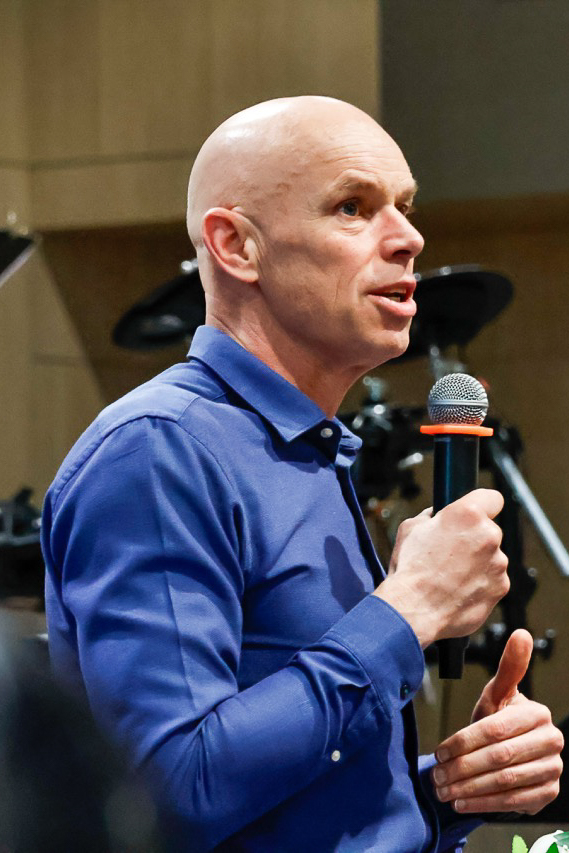
— Andrew Morley, President and CEO, World Vision International
In every society, I have always believed that investing in children is the most valuable kind of investment—not because it is idealistic or sentimental, but because global evidence from Asia, Africa and Latin America consistently shows that investing in children’s health and education truly generates long-term returns. Every dollar invested in a child yields at least a sixfold return over the course of their lifetime.
This truth becomes even more significant as the world is facing rapid demographic shifts. Birth rates are falling, and many countries—including Thailand—are moving towards becoming ageing societies. Each child is no longer simply a future citizen but an invaluable resource we cannot afford to overlook.
This is why I, World Vision International, and World Vision Foundation of Thailand have always put children at the centre of our work.
After COVID‑19, the world did not return to what it was. One of the clearest patterns I observed across countries was the rise in inequality everywhere, with children being the first to bear its impact. More children are now classified as most vulnerable. Even in Thailand, vulnerable children are not always those without love. Many grow up in loving families but are migrants, stateless, or born into circumstances where opportunities have never been equal. What is concerning is not only the growing number of vulnerable children but the decline in their overall quality of life—a trend we see in almost every country where we work.
I must admit that Thailand has achieved remarkable progress over the past two decades. It is an achievement that deserves commendation. Yet at the same time, many stateless and migrant children continue to face structural challenges, particularly economic ones. Their parents often cannot access stable employment, and when income is uncertain, children feel the impact directly—especially in terms of nutrition. Many children experience stunting due to undernutrition. And we know well that when growth is compromised since early childhood, the irreversible impacts remain with them throughout their lives.
From my experience, vulnerable children do not lack potential—they lack opportunity. When we invest in children, especially in their health and education, their academic outcomes improve significantly. They grow into productive and positive members of society. Interestingly, many children from the most vulnerable group possess strong entrepreneurial skills, because they have learnt to survive from a very young age. With the right tools and opportunities, they will be able to build livelihoods, grow businesses, and become a driving force in the future economy.
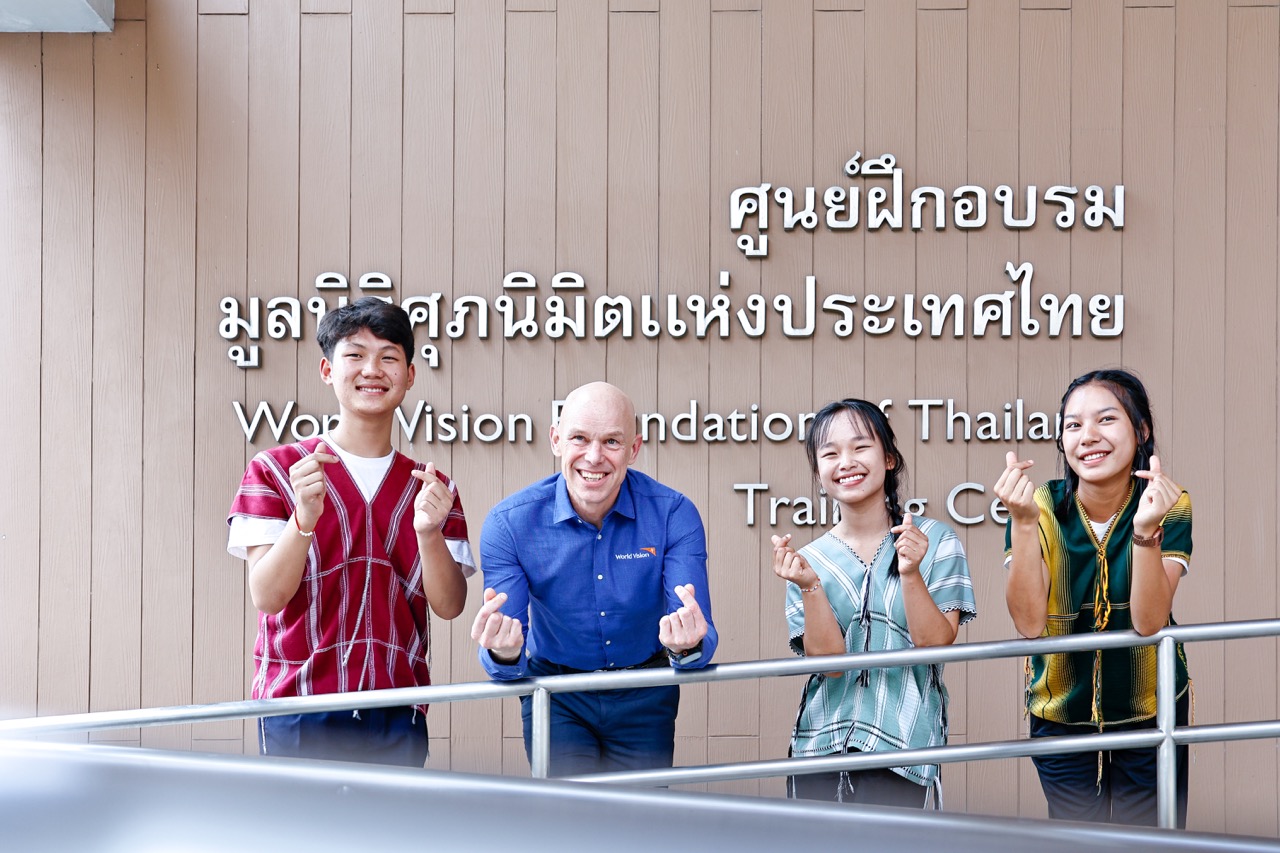
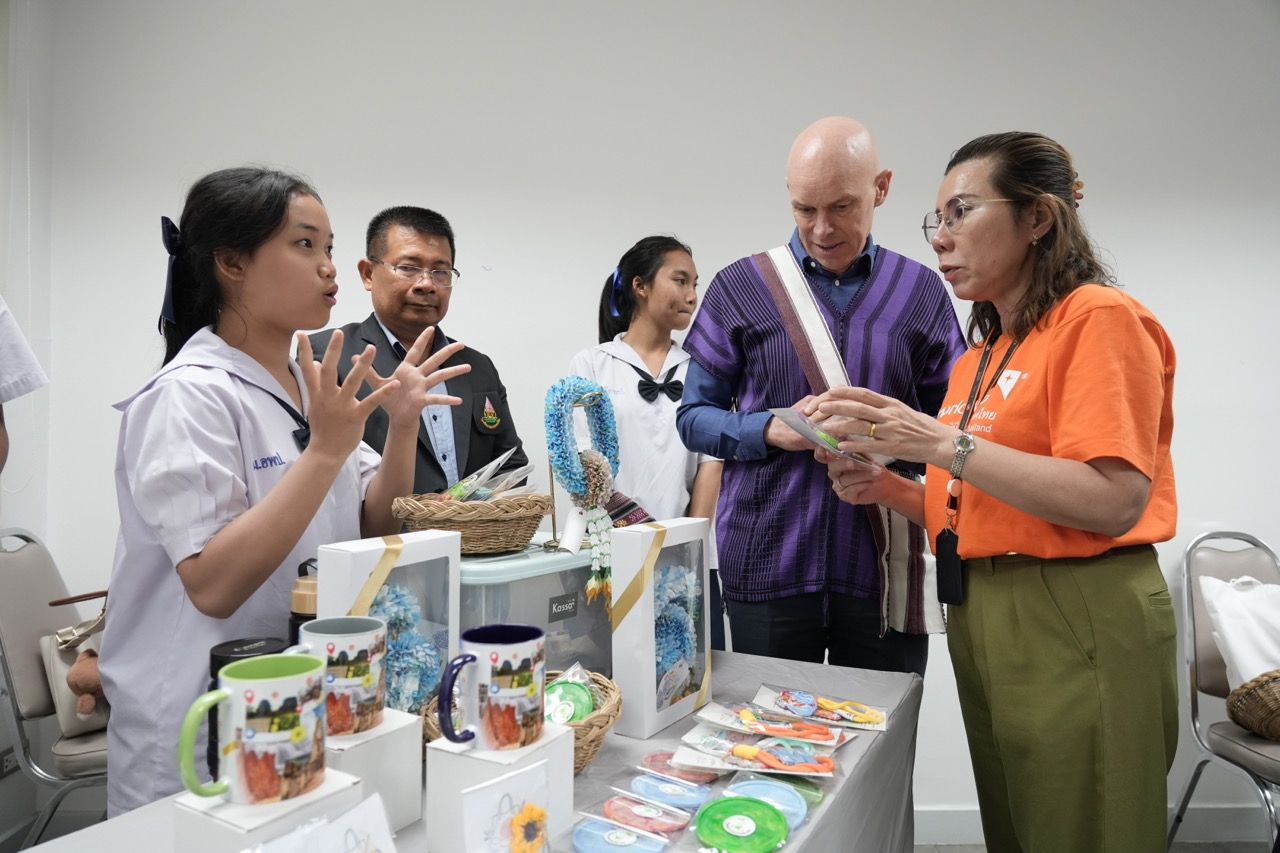
When we work with children, we must begin with the fundamentals: saving lives; supporting children suffering from severe malnutrition; ensuring access to food, clean water and medical care. We then strengthen their potential through education, school supplies and practical skills. Recently, I met a group of children and young people in Thailand. With only our modest support, they managed to upcycle water bottles and plastic waste into useful items such as coasters and phone pouches. They transformed what society calls waste into products of value. Encounters like these continually reaffirm to me that when children are given opportunities, they can truly contribute to society.
In a world where people are closing themselves off, refusing to embrace diversity, and growing fearful of those who speak different languages or come from different cultures, it is children who suffer the most. I always emphasise that no matter where a child comes from, a child is still a child — and every child deserves a childhood that is safe, nurturing, and filled with hope.
Throughout my work, I have witnessed the generosity and understanding of the Thai people and the Thai government towards the needs of children. This partnership has created real, tangible change. At the same time, individuals can also contribute—whether through child sponsorship or other forms of support. Every act of participation matters.
Ultimately, I believe child protection is not a choice but a responsibility. Wherever power imbalances exist, there is a risk of abuse, particularly in humanitarian contexts where people are vulnerable. This is why strong mechanisms must exist so that children and communities can speak up when something is wrong. My goal is not to build complex systems, but to build understanding—of rights, of responsibilities, and of our shared purpose…because we are here to help, not to cause harm.
Another area I prioritise in our work with children is the Child Sponsorship Programme. This is not just a financial support mechanism but a long-term relationship that shapes a child’s heart and life. In Thailand, the programme has flourished, and I have had the honour of meeting some of the sponsored children.
What these children told me was not about numbers or resources. It was something much simpler: the feeling that someone cares about them… someone who constantly communicates with them, writes them letters, listens to them, encourages them, and assures them they are remembered. These experiences are profoundly powerful, especially for children who have grown up in a world that makes them feel invisible.
Of course, the Child Sponsorship Programme supports essential needs—education, clean water, food, healthcare and child protection. But equally important is the feeling of being loved and seen, something many children today have never experienced. Child Sponsorship is one of the most tangible ways to tell a child, “You are valuable, and you are not alone.”
When I think about children in vulnerable contexts, such as refugee camps, I am often asked how these children feel. The honest answer is that many of them are carrying emotional wounds and traumas far deeper than any child should bear. Children deserve a childhood filled with running and jumping, playing, laughing, and simply having fun. Yet trauma can rob them of these simple joys.
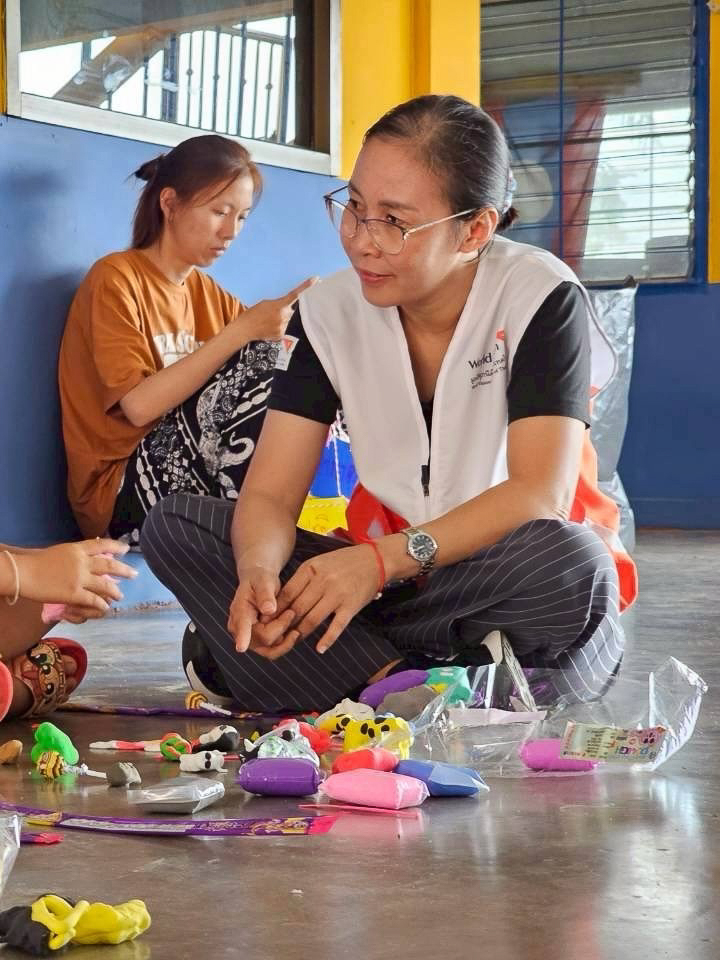
This is why psychosocial support is so important. It gives children a chance to speak of what they have been through, to express their feelings—often through play, through safe spaces, and through counselling. These approaches help them gradually make sense of their experiences and learn how to cope with what has happened.
Sometimes, a child-friendly space may be nothing more than a small field with a few footballs or simple playground equipment. But for children, these spaces are invaluable. They allow them to enjoy their childhood — to laugh, to play, and to feel safe, even if only for a brief moment.
Our evidence and experience show that children who participate in the Child Sponsorship Programme are far more likely to thrive. They have greater access to continued education, are more likely to pursue skilled and secure professions, and are better equipped to build strong, healthy relationships in adulthood. This is partly because we help them address trauma early, enabling them to truly flourish — and all of this is backed by research.
Finally, I want to express my heartfelt gratitude to the people of Thailand—the government, civil society, and supporters—for playing such an important role in transforming the lives of Thai children, as well as migrant and stateless children. This partnership has made a genuine difference in the lives of many. At the same time, I encourage all of us to do even more, because the needs are growing. We are deeply grateful for the support already given, and we invite everyone to continue walking alongside us to build a better future for every child.