“Malaria Knows No Borders”
The Role of World Vision Foundation of Thailand in Cross-Border Health Promotion and Lessons Learned from the GF RAI4E Project in Tak Province
Regional Artemisinin-resistance Initiative for Elimination (RAI4E)
and the Regional Integrated Health Response and RSSH Package (IHRRP) 2024–2026
In a world where travel and population mobility occur without borders, communicable diseases move just as freely. Malaria remains one of the world’s major public health challenges and a critical test for both government agencies and civil society organizations—especially in border areas marked by complex geography, economic hardship, social vulnerability, and security concerns.
Thailand has made a clear commitment to eliminate malaria nationwide by 2026. In reality, however, the western border areas—particularly Tak Province—remain highly vulnerable due to the malaria situation in neighboring countries and the continued cross-border movement of migrant workers and mobile populations.
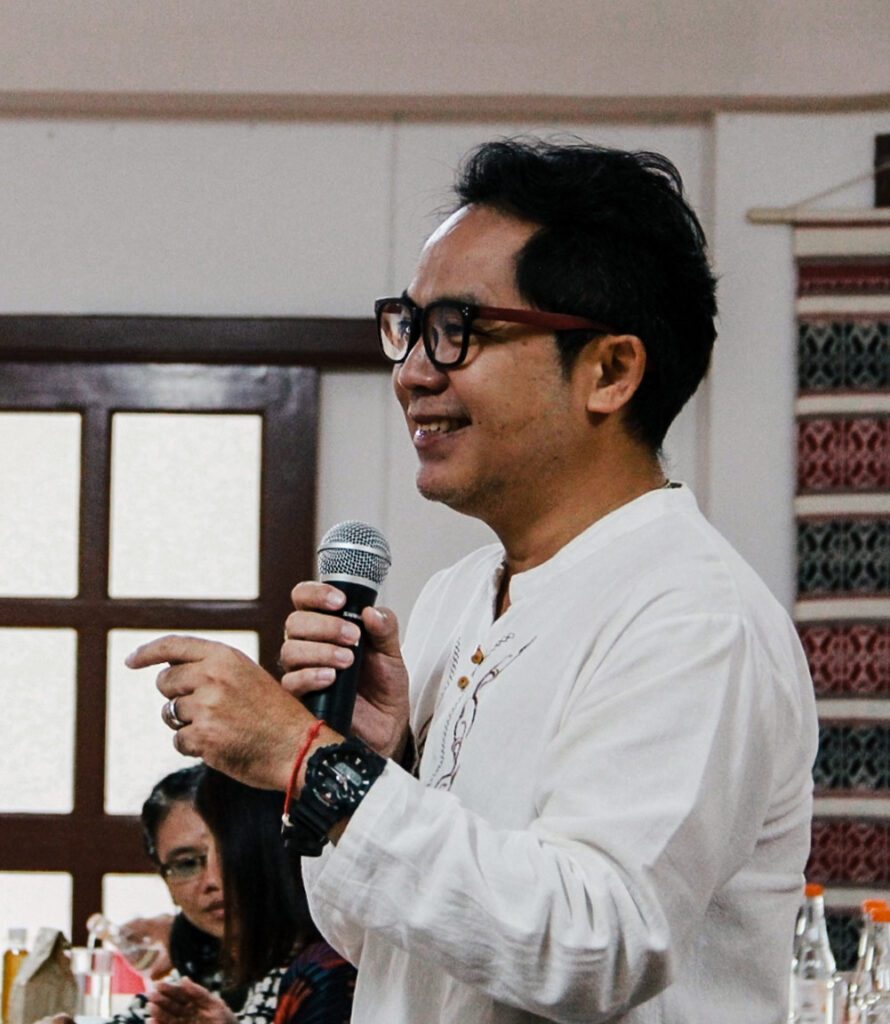
“Our neighboring countries, especially Myanmar, still report a large number of malaria cases. With constant cross-border movement, this is a challenge we cannot fully control,”
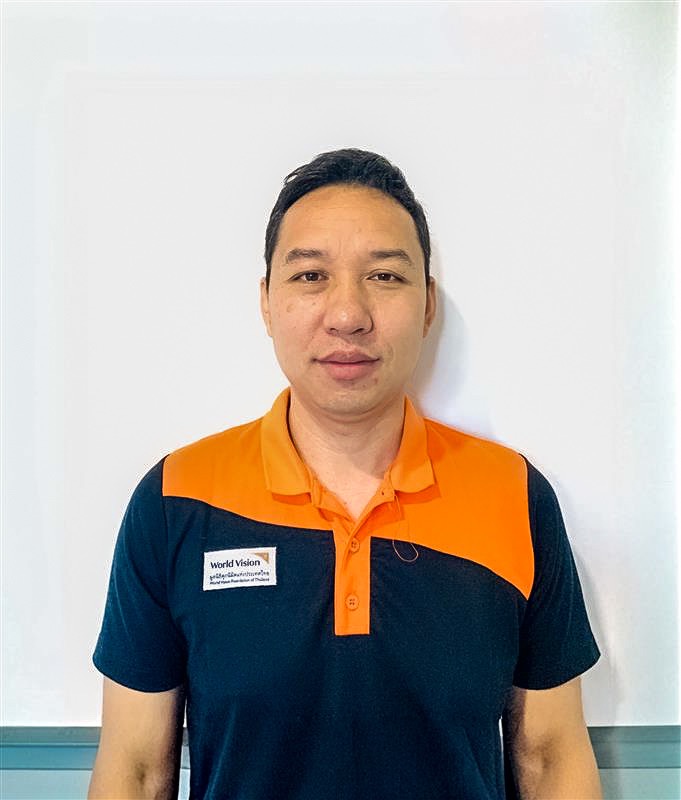
said Mr. Natchanon Rattanamokit, or “Sor,” Provincial Project Manager, GF RAI4E Tak Province, World Vision Foundation of Thailand.
This statement reflects not only an epidemiological fact, but also a national-level question: how do we address a disease that refuses to stay within the lines drawn on a map?
Malaria: A Borderland Reality That Cannot Be Ignored
For many people, malaria may seem like a tropical disease that is gradually fading away with medical progress. But for me—and for teams working along the borders—malaria has never been distant.
I have worked on malaria programs along the Thai–Myanmar border, particularly in Tak Province, for many years. What I see repeatedly is an unavoidable truth: malaria does not recognize borders.
In neighboring countries, especially Myanmar, malaria cases remain high. When people move across borders—whether for work, economic survival, or due to conflict—diseases move with them. As a result, malaria cannot yet be fully controlled, even with Thailand’s strong public health system.
One Disease, Many Names, Many Lives
Before delving deeper into our work, I would like to invite readers to understand malaria through the community’s lens.
In different areas, malaria is known by different names. Some call it “shaking fever” because of the severe chills. Others call it forest fever or jungle fever, as it often affects people who work in forests. Some refer to it as hot-and-cold fever, or even teak flower fever, as cases often rise when teak trees bloom.
Despite the different names, they all refer to the same disease—one transmitted by Anopheles mosquitoes. Without proper blood testing and treatment, malaria can lead to severe complications or even death.
Tak Province: A Strategic Area of Complex Challenges
Tak Province clearly illustrates that malaria elimination is not merely a public health issue—it is also linked to labor, economics, and human security.
Along Tak’s border are more than 30 informal crossing points. Every day, migrant workers from neighboring countries cross over to work in farms, plantations, factories, and households. Many of them live in vulnerable conditions, have limited access to healthcare, and hesitate to visit hospitals due to lack of legal documentation.
In the past year, Tak Province reported a large number of malaria cases, with more than half linked to cross-border travel. The most affected groups include migrant workers, schoolchildren, and farmers. This reality has reinforced my belief that successful malaria elimination requires proactive outreach and the ability to reach those beyond the formal health system.
GF RAI4E: The Work I Am Most Proud Of
With support from the Global Fund, the GF RAI4E Project in Tak Province, implemented by World Vision Foundation of Thailand—an organization with long-standing expertise in malaria elimination—stands as a concrete example of effective, field-based action.
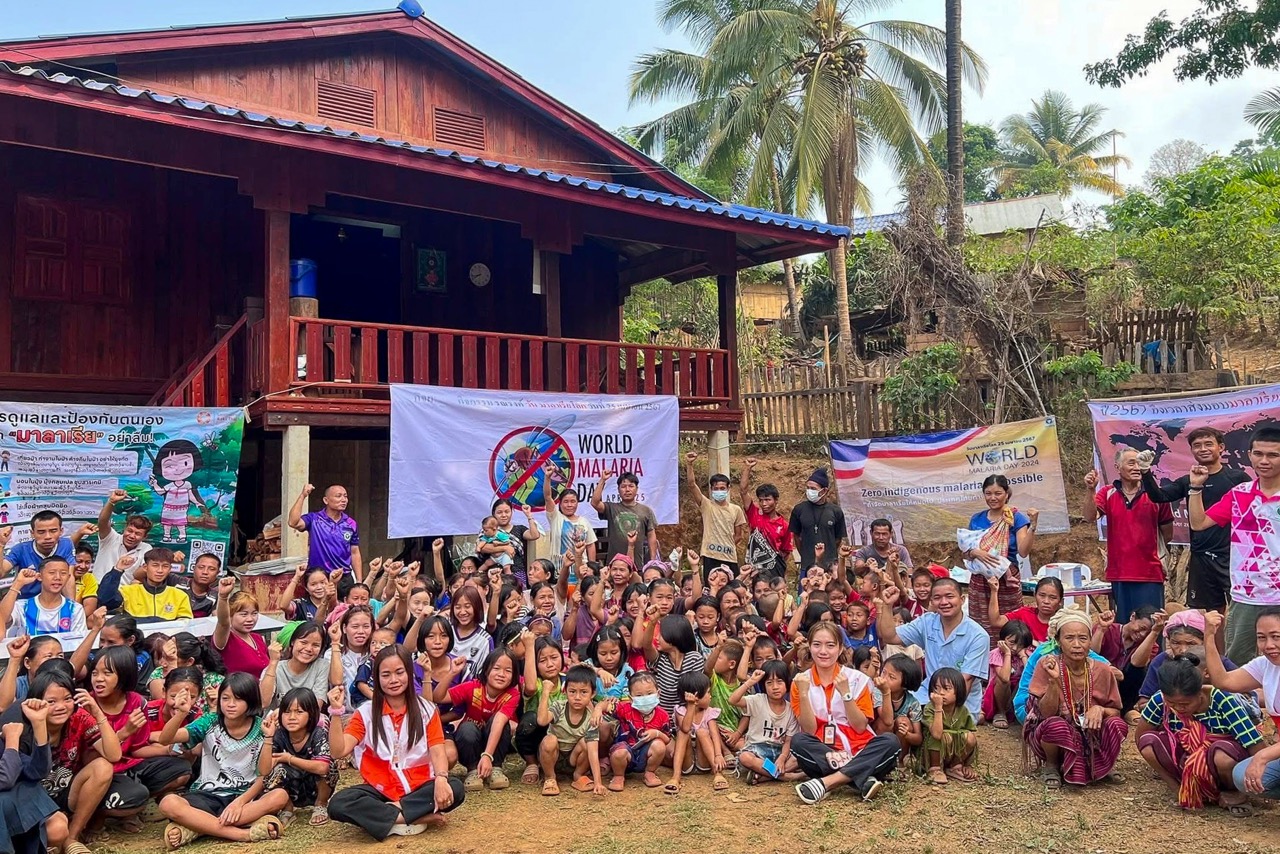
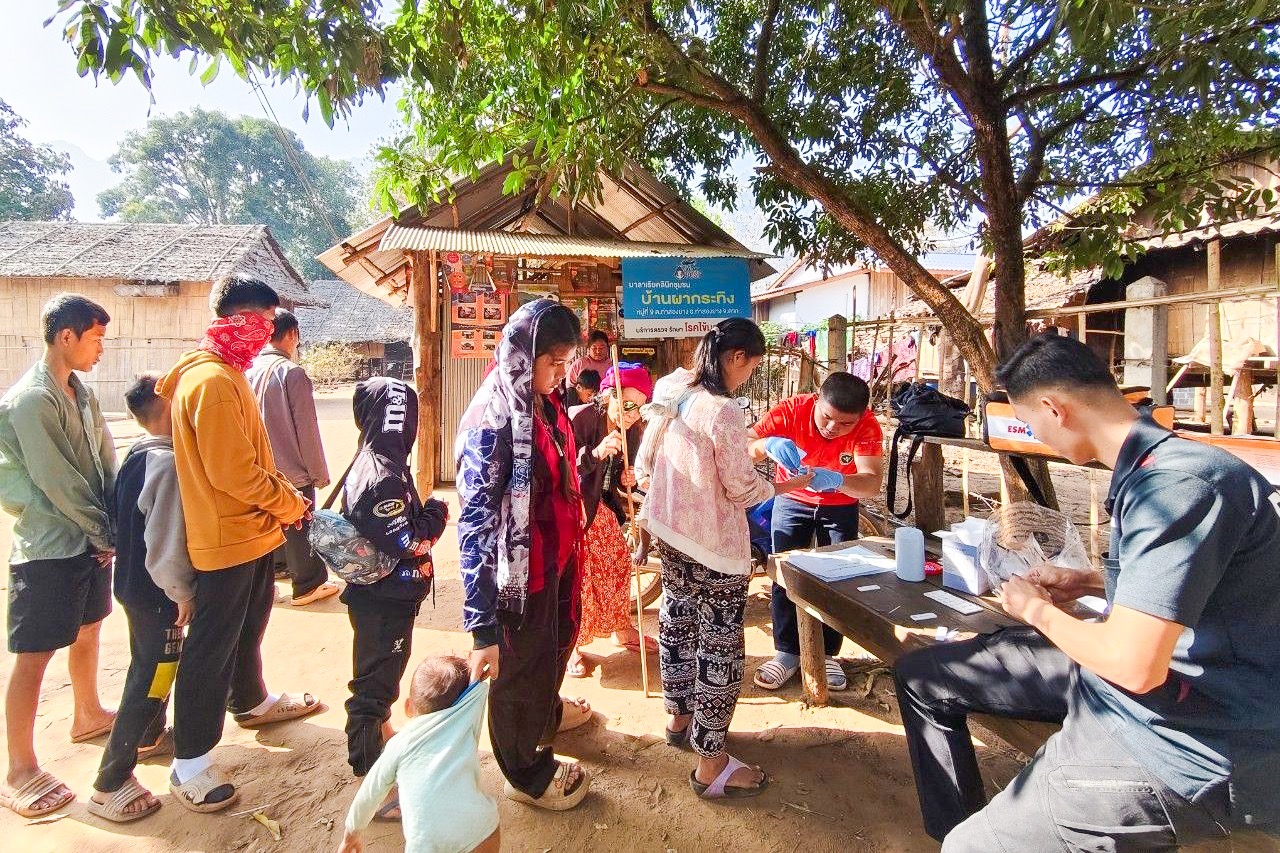
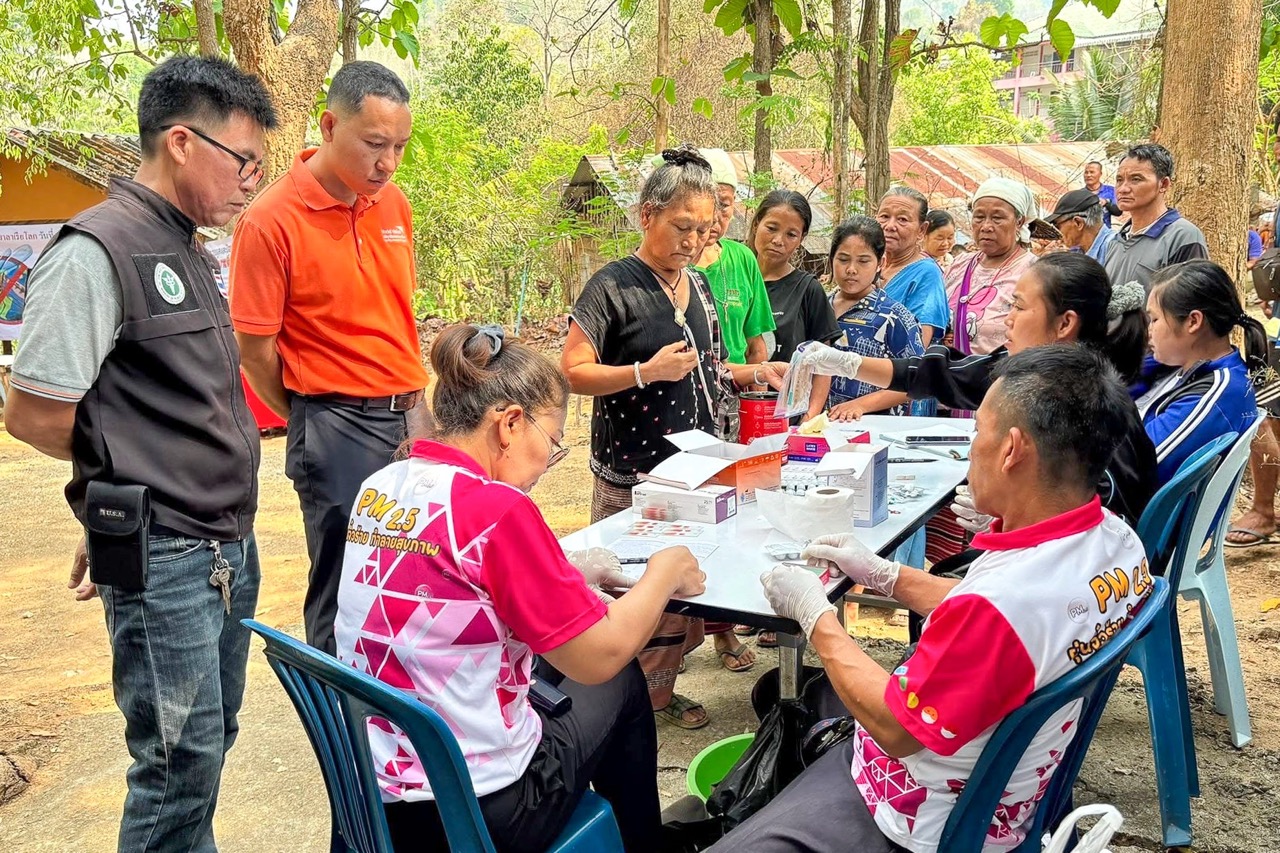
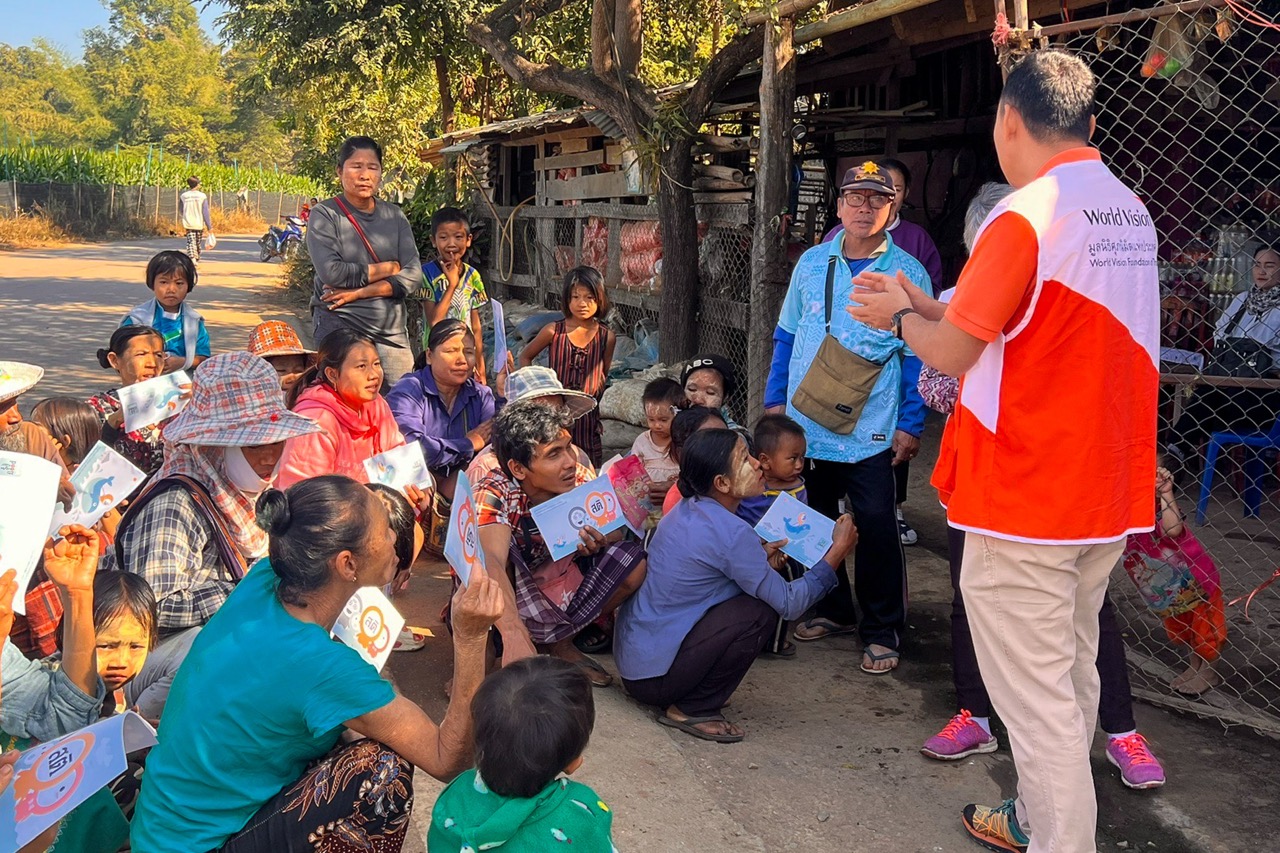
We do not wait for patients to come to us; we go to them. We enter border villages, farms, plantations, labor camps, and boarding schools.
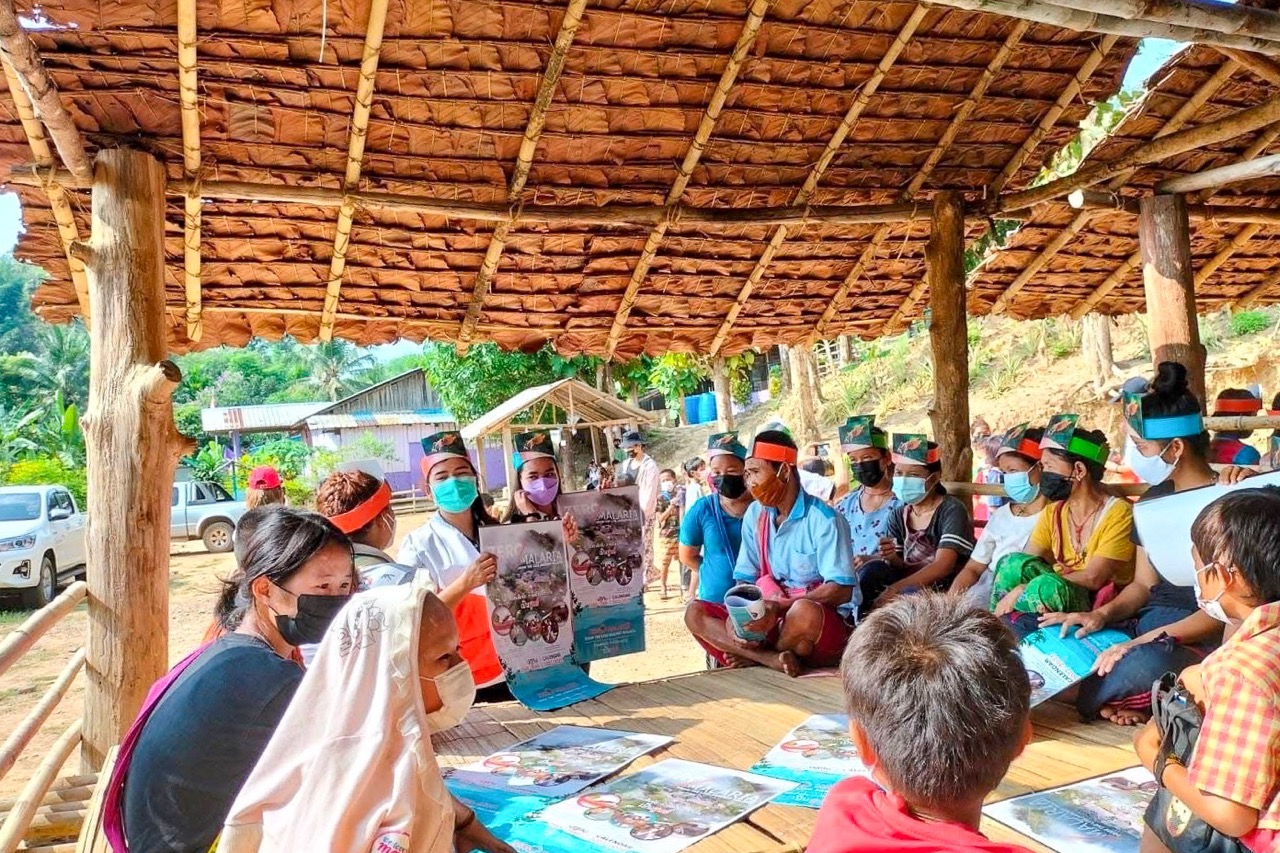
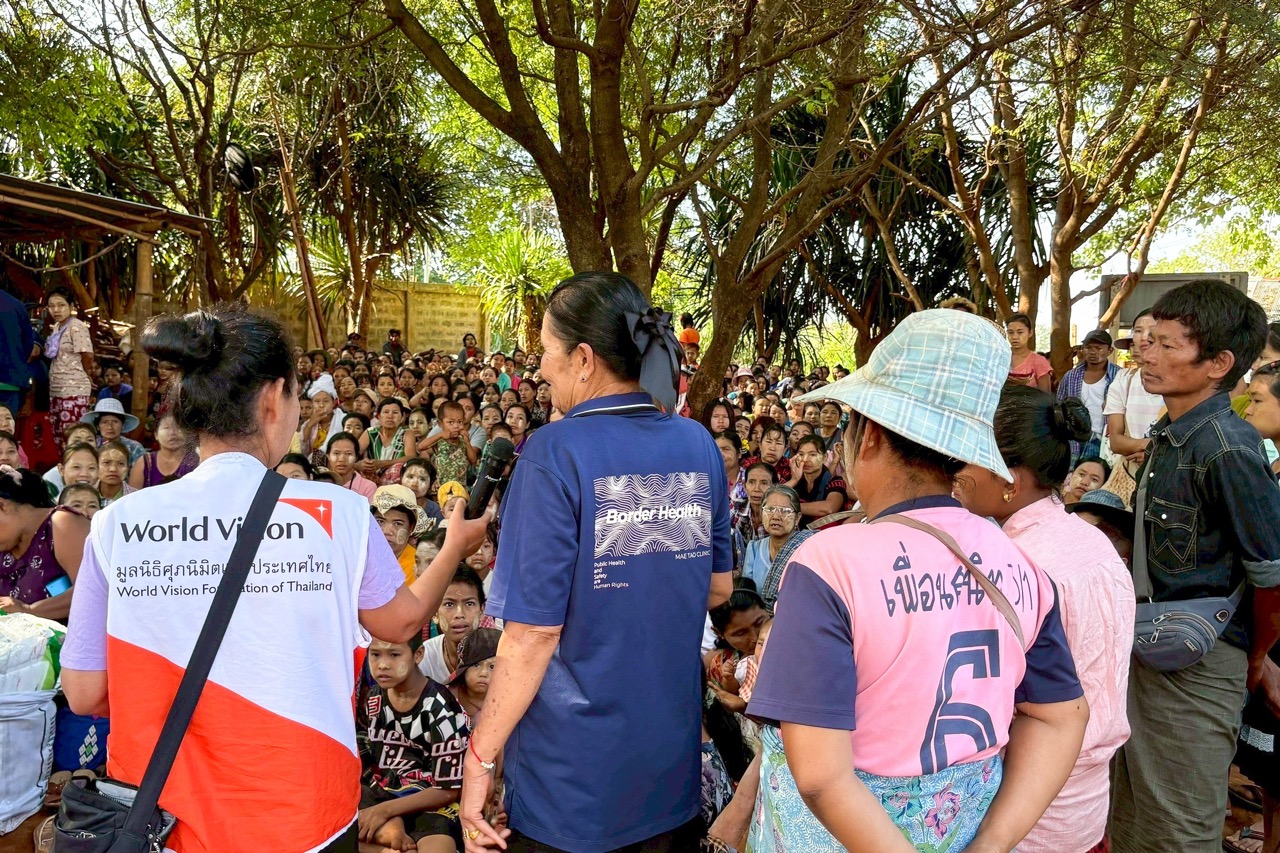
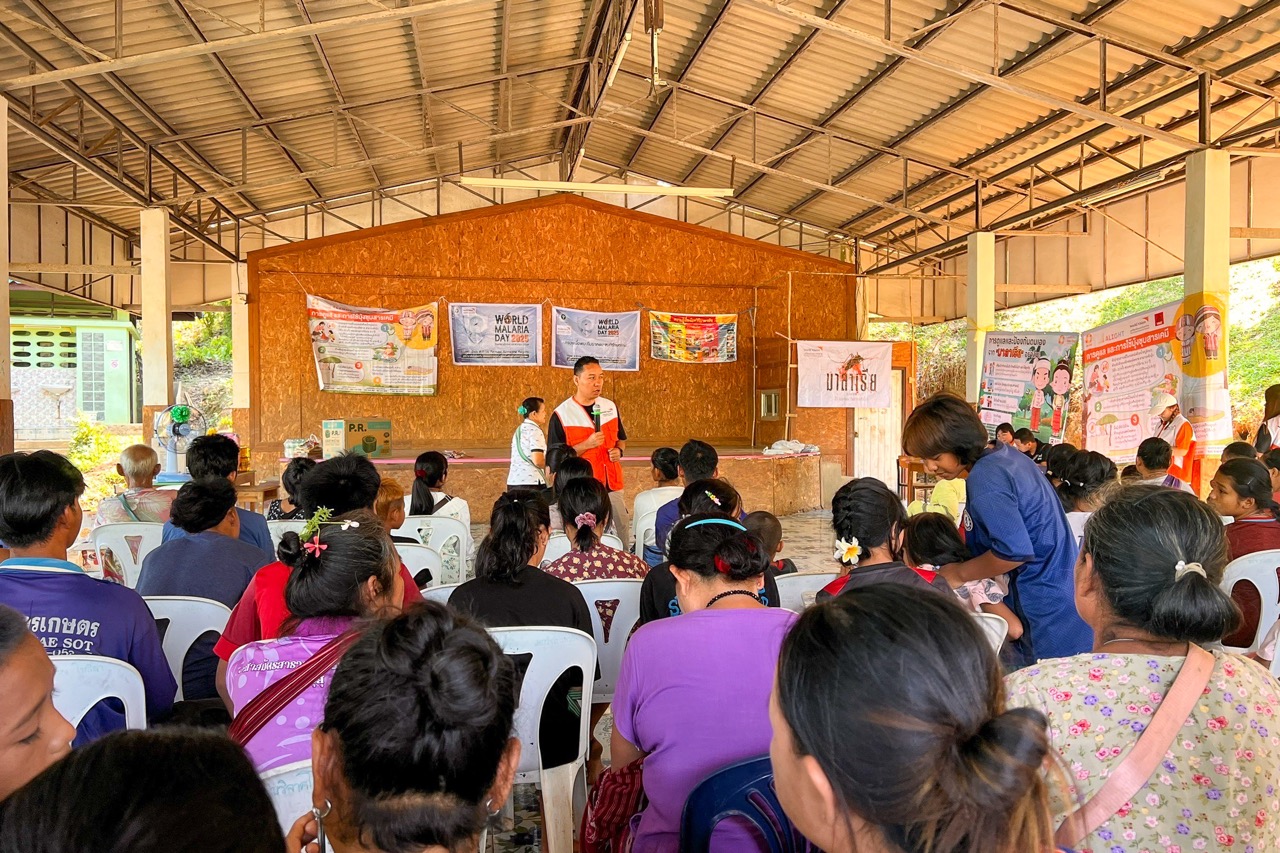
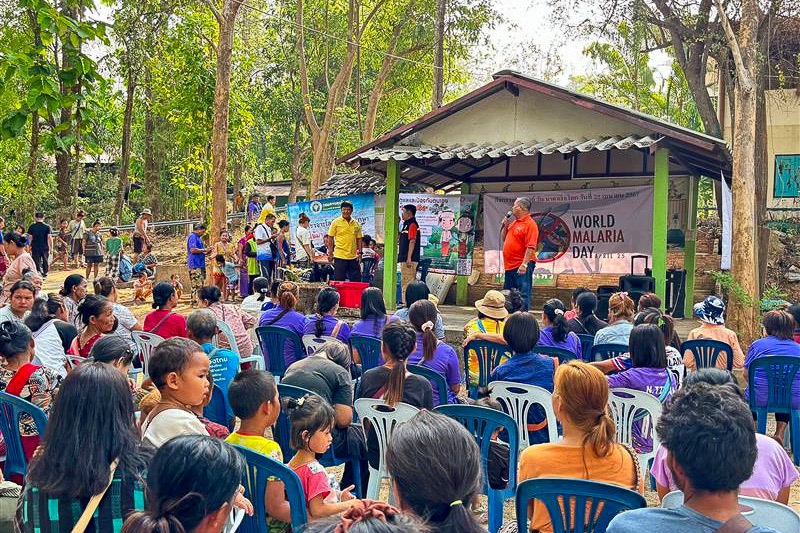
Over the past two years of project implementation (2025–2026), we have provided malaria education and awareness to more than 45,000 people and distributed over 43,000 insecticide-treated bed nets, reaching migrant workers and other vulnerable groups. We have worked closely with government partners to proactively screen more than 36,000 people at risk, followed up on treatment adherence for over 1,400 patients to prevent drug resistance and relapse, and established five Malaria Posts at border areas so that undocumented migrants can safely access testing and treatment.
Through this experience, I have seen patients who once feared the health system gain the confidence to get tested. I have seen students learn how to protect themselves from mosquito bites. I have seen migrant workers receive bed nets and knowledge that help keep their families safe—proof that they are not being left behind.
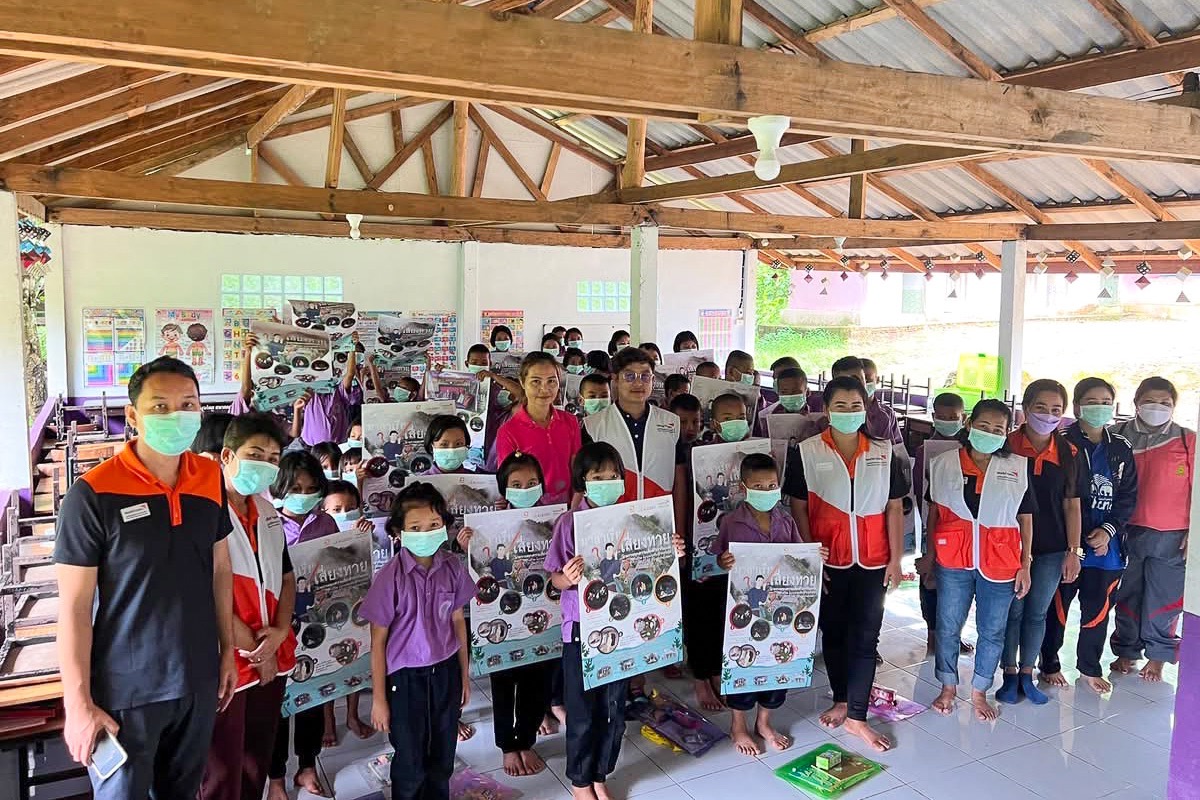
Beyond this, the project actively works in border schools to protect children and youth—one of the country’s most affected groups—and provides humanitarian assistance to refugees fleeing conflict in neighboring countries. This is not merely a health project; it is an investment in human security.
Because Every Life Matters
If there is one message I wish to emphasize, it is this: malaria may not recognize borders, but human cooperation can stop it
I am proud to be part of this work, and I firmly believe that through strong partnerships and shared commitment, Thailand can truly move closer to becoming malaria-free. I will continue this work for as long as there is someone living beyond the forests, beyond the mountains, or beyond the border who still needs the opportunity to live a healthy life.
The GF RAI4E Project clearly demonstrates that when we collectively choose to go where the problem is—even in hard-to-reach and highly complex border areas—technical interventions such as disease surveillance, proactive screening, treatment follow-up, distribution of insecticide-treated nets, health education, and collaboration with government and local partners can transform lives and bring us closer to malaria elimination.
Malaria may not know borders, but the experience of World Vision Foundation of Thailand reaffirms that genuine collaboration, systematic action, and standing alongside the most vulnerable are powerful forces that can stop it—and can lead us toward truly inclusive and sustainable development, leaving no one behind.