World Humanitarian Day
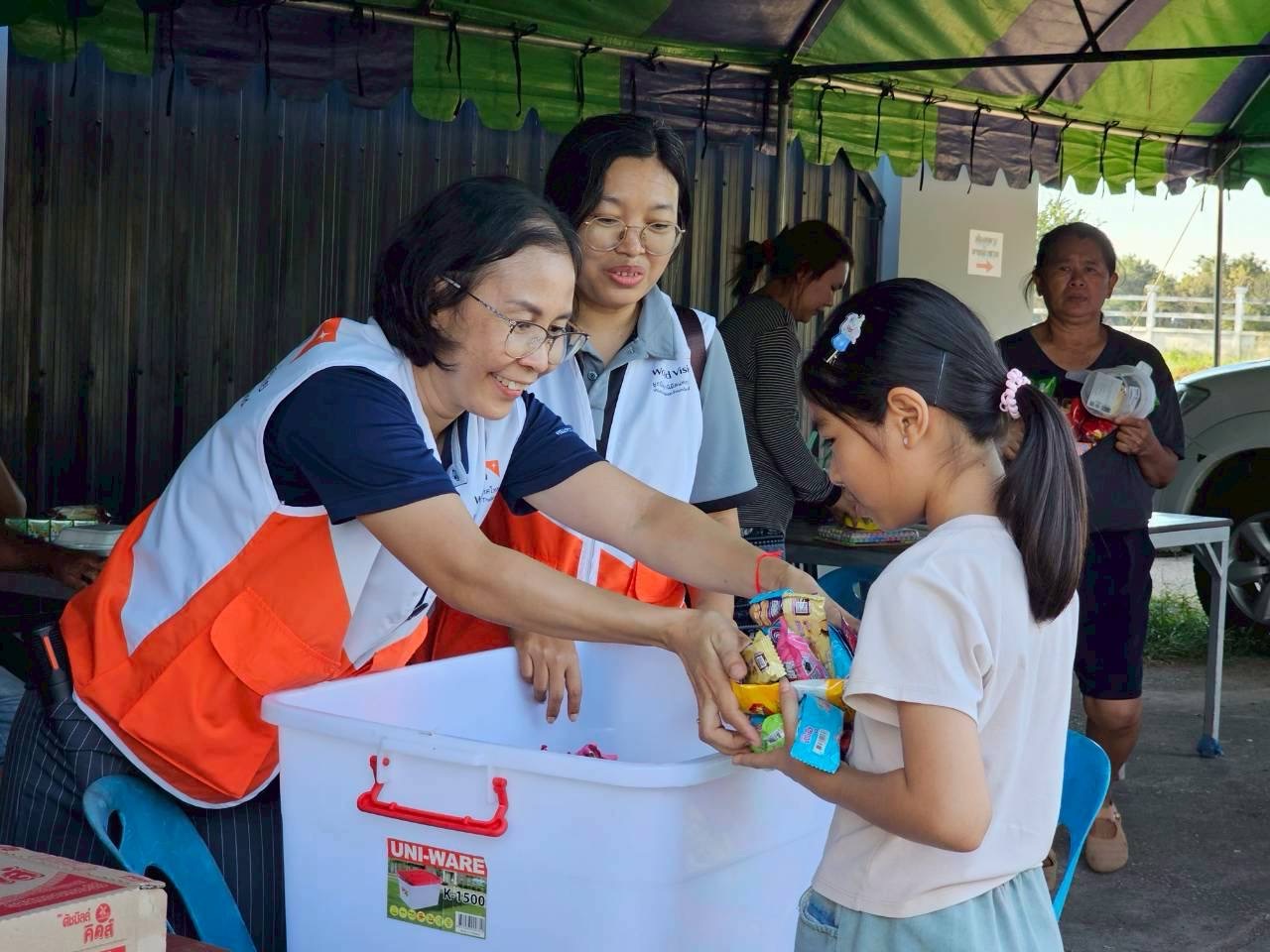
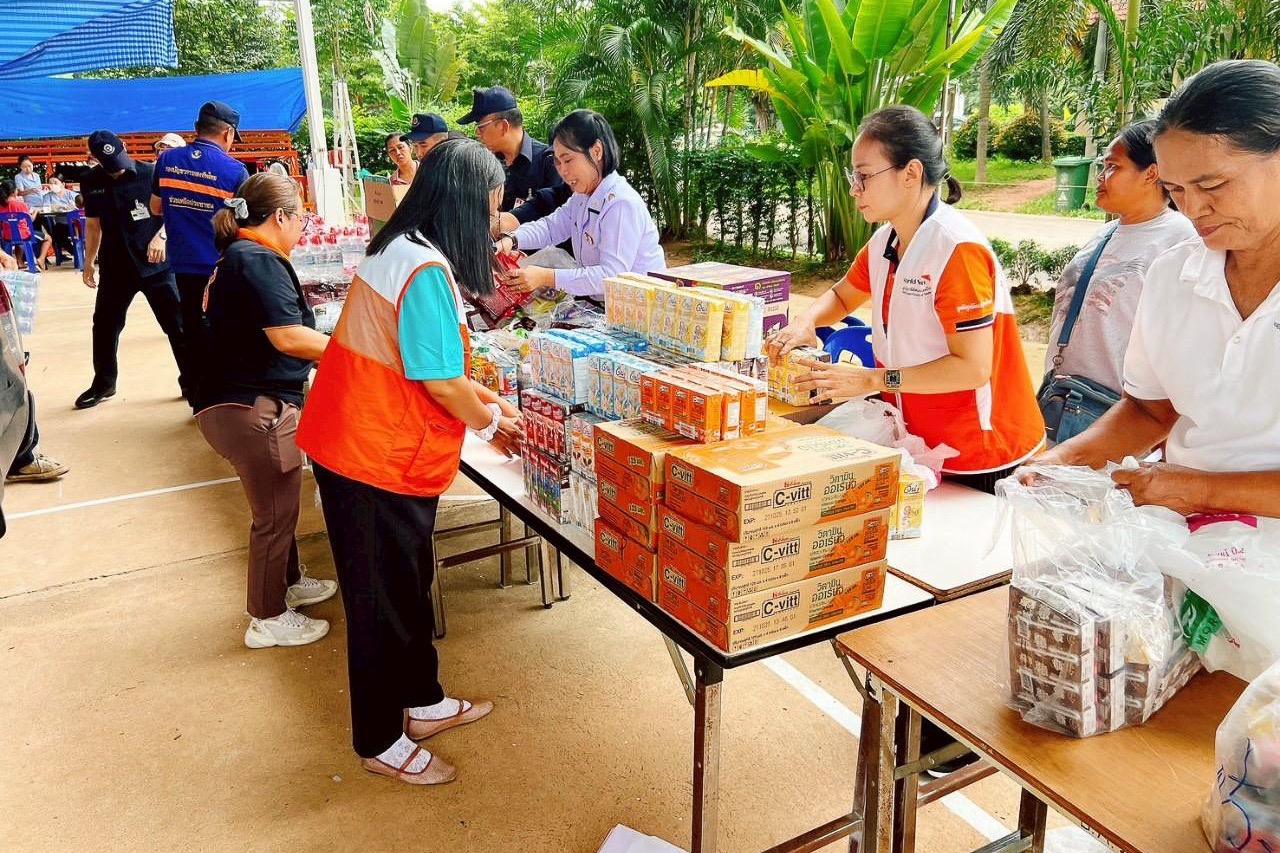
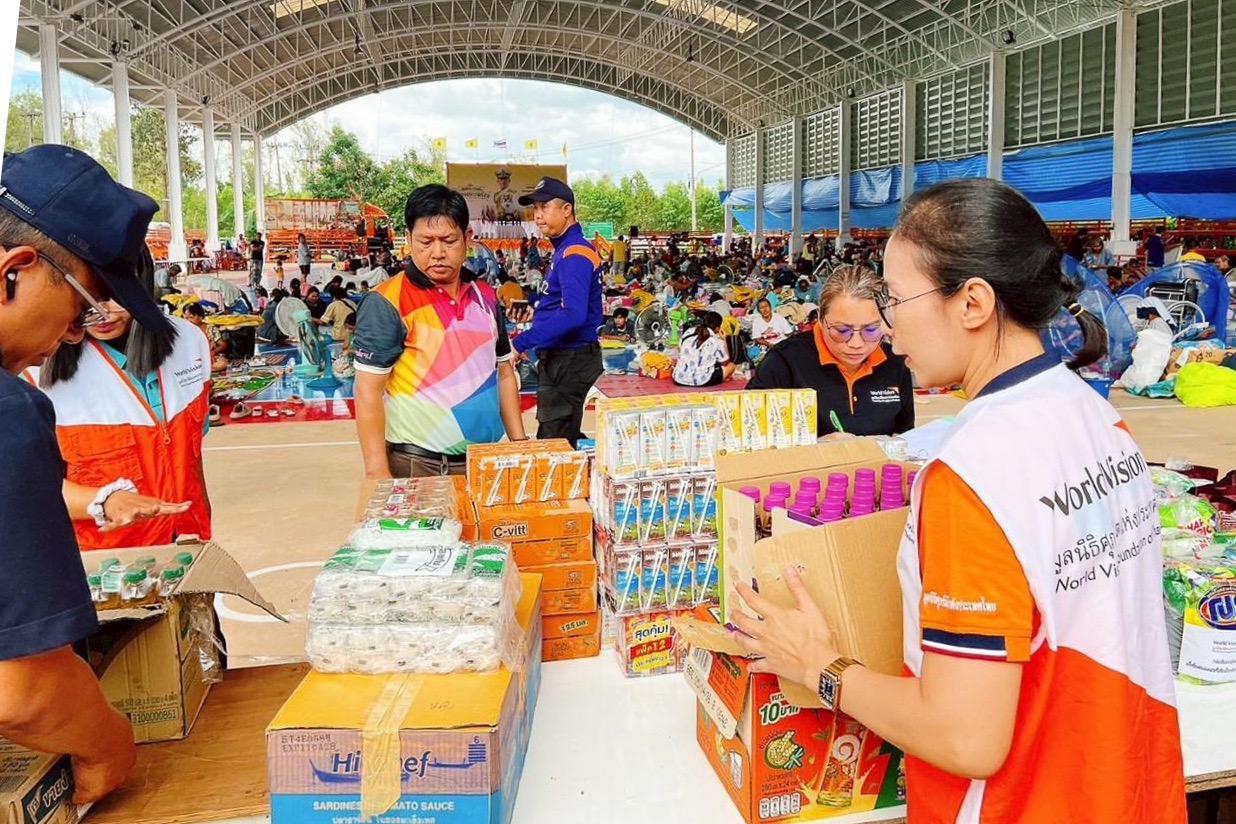
Miss Nannapat Sanuanram, Project Manager for the World Vision Foundation of Thailand’s Development Project in Sa Kaeo province, and her team are responding to the emergency situation on the Thai-Cambodian border.
Throughout the 13 years I have worked with World Vision Foundation of Thailand, I have learned that development is not just about changing the lives of children, families, or communities—it is about changing ourselves in the process as well.
I did not begin my career in development with a background in social sciences or community development. In fact, I studied culinary arts and previously worked in Bangkok. While life in the capital was convenient, I eventually decided to return home to care for my mother and family.
At that time, I barely knew World Vision Foundation of Thailand. I did not even know how the organization operated, and I was not sure if I was the right fit for this kind of work. But I always believed that if you are willing to learn, opportunities will lead you to where you are meant to be.
From a monitoring and evaluation officer to a child sponsorship specialist, and now a project manager, I have discovered that the heart of working for people is not about position or expertise, but about a willingness to learn, humility, and listening. This lesson became particularly clear when my team and I faced the ‘crisis of violence along the Thai-Cambodian border.’
When Those Who Help Others Are Themselves Affected
The unrest on the border at that time did not just affect the communities we work with—it affected us personally as well.
I still clearly remember the questions that went through my mind and the minds of my team: “We are affected too. We have to evacuate as well. Do we still need to work?”
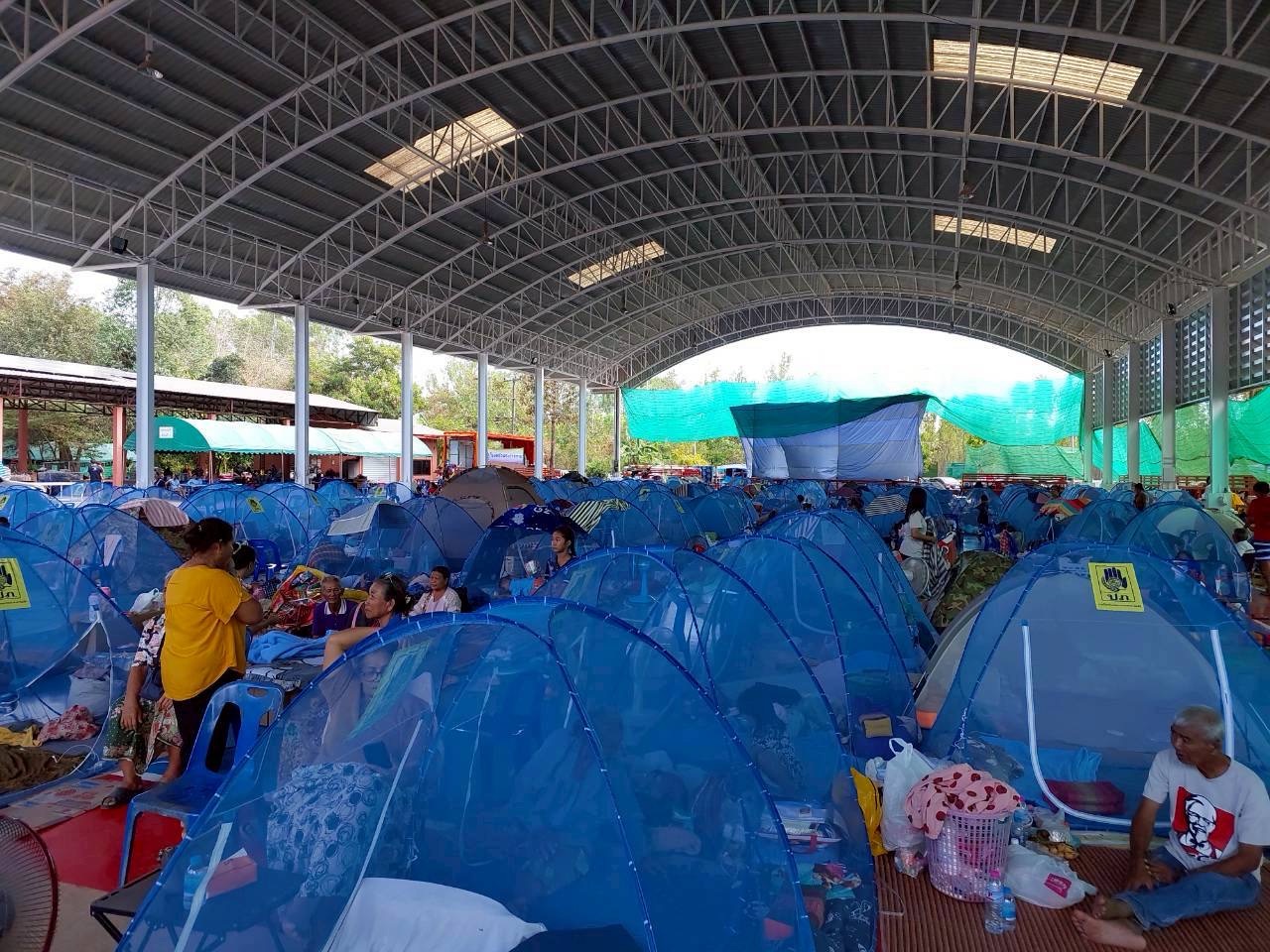
All of our staff live in border areas, and many had to quickly evacuate their families from dangerous locations. Meanwhile, thousands of children, numerous families, and people in temporary shelters are facing the same uncertainty.
That was when I truly came to understand the meaning of ‘humanitarianism.’
Humanitarian work is not about waiting until we are ‘ready’ to help others, but about choosing to reach out even on days when we ourselves are struggling.
Amidst the confusion, we found many children still waiting for someone to care for them: children who had been forced to leave home, those who had stopped attending school, and children living in shelters filled with fear and uncertainty.
Seeing this, the question of “Why do we work?” slowly transformed into the answer, “Because there are people waiting for us.”
The Crisis That Left Deeper Scars Than We Could See
Many may see the physical impacts of the conflict, such as displacement, loss of homes, or disruption to daily life. However, what I found on the ground were invisible wounds.
Many children have lost educational opportunities; some have had to stop attending school for months, while others have fallen behind their classmates and are at risk of dropping out of school.
Equally concerning is mental health. Even after the situation has calmed down, rumors, alerts, or even small troop movements can instantly trigger fear in both children and adults.
At the same time, many families are facing economic hardship, with some unable to resume their farming activities, others experiencing income loss, and still others burdened by growing debt.
I clearly remember a parent saying,
“I could not bring the dozens of cows and buffaloes I had raised with me, but the most important thing I could save was my life.”
That sentence powerfully captures the reality of the crisis, because when safety is at risk, a lifetime of possessions can be lost overnight. Ultimately, whether the impact is felt by parents, communities, or household economies, children are always the ones who suffer the consequences.
Child Friendly Spaces: Small Spaces That Offer Hope in Times of Crisis
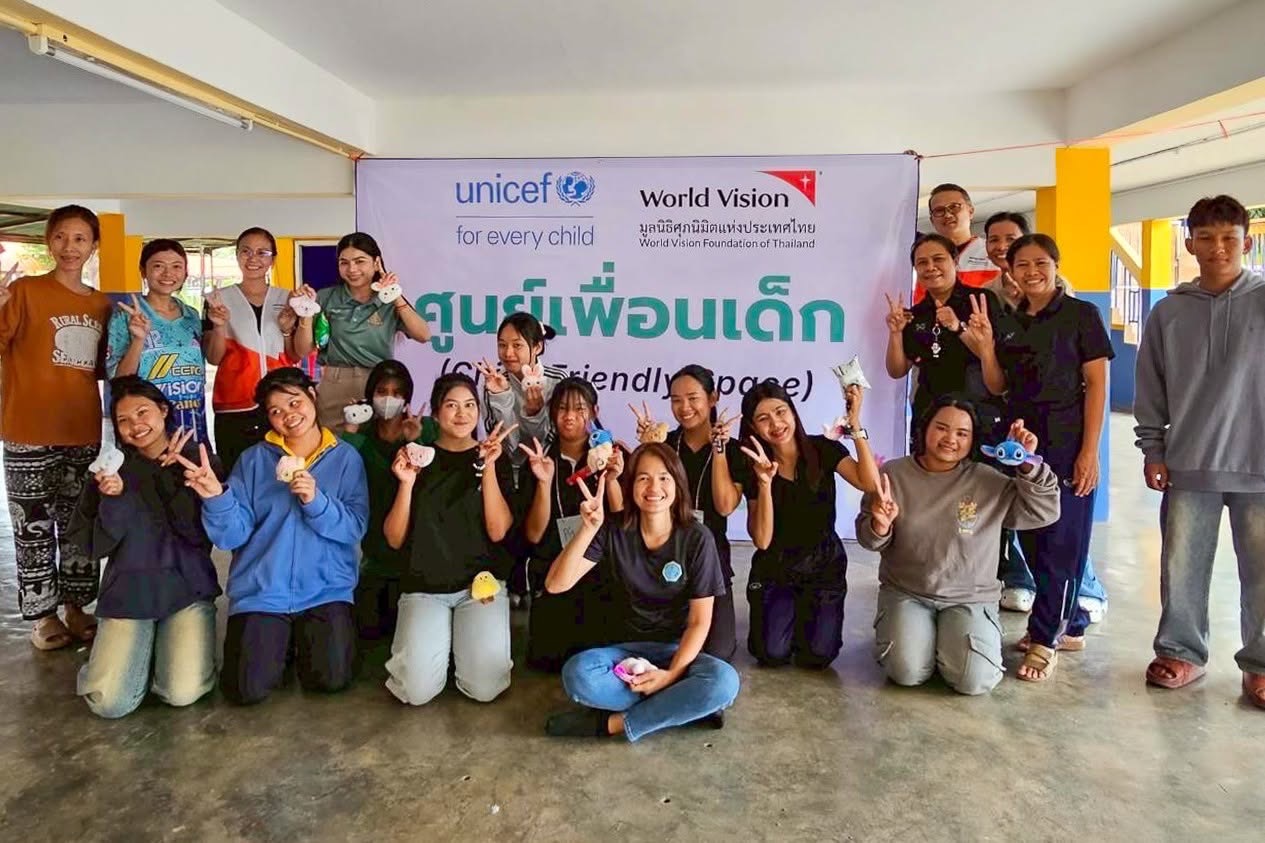
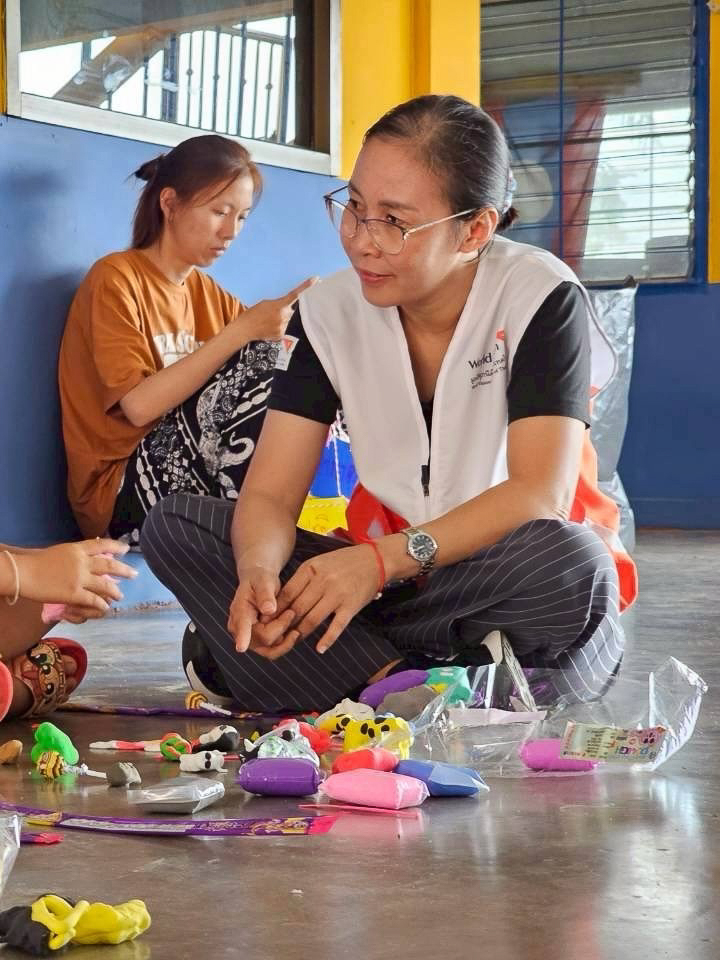
Amid the emergency, our team immediately decided to set up a ‘Child Friendly Space.’
We may not have sufficient resources to meet all needs, but we specialize in working with children, and we believe every child deserves a safe space, even during a crisis.
The activities at the Child Friendly Space may seem simple – just playing games, drawing, talking, and participating in group activities. But what truly happens there is far more meaningful. We see children smiling again, children who were anxious about home laughing with their friends, and young people taking the initiative to lead activities without prompting. We also see parents, teachers, volunteers, and various organizations collaborating naturally.
For me, the Child Friendly Space is not just a place for activities; it is a space that helps restore hope and a sense of safety to children’s lives.
We also use this space to promote child protection, helping children learn about their rights, safety, and self-care in emergencies. It also provides a platform for children to express their views and participate in designing their own activities.
What is impressive is that children are not merely ‘recipients of assistance’ but are becoming ‘active contributors’ to creating an atmosphere of hope for those around them.
When Humanitarianism Starts with Listening
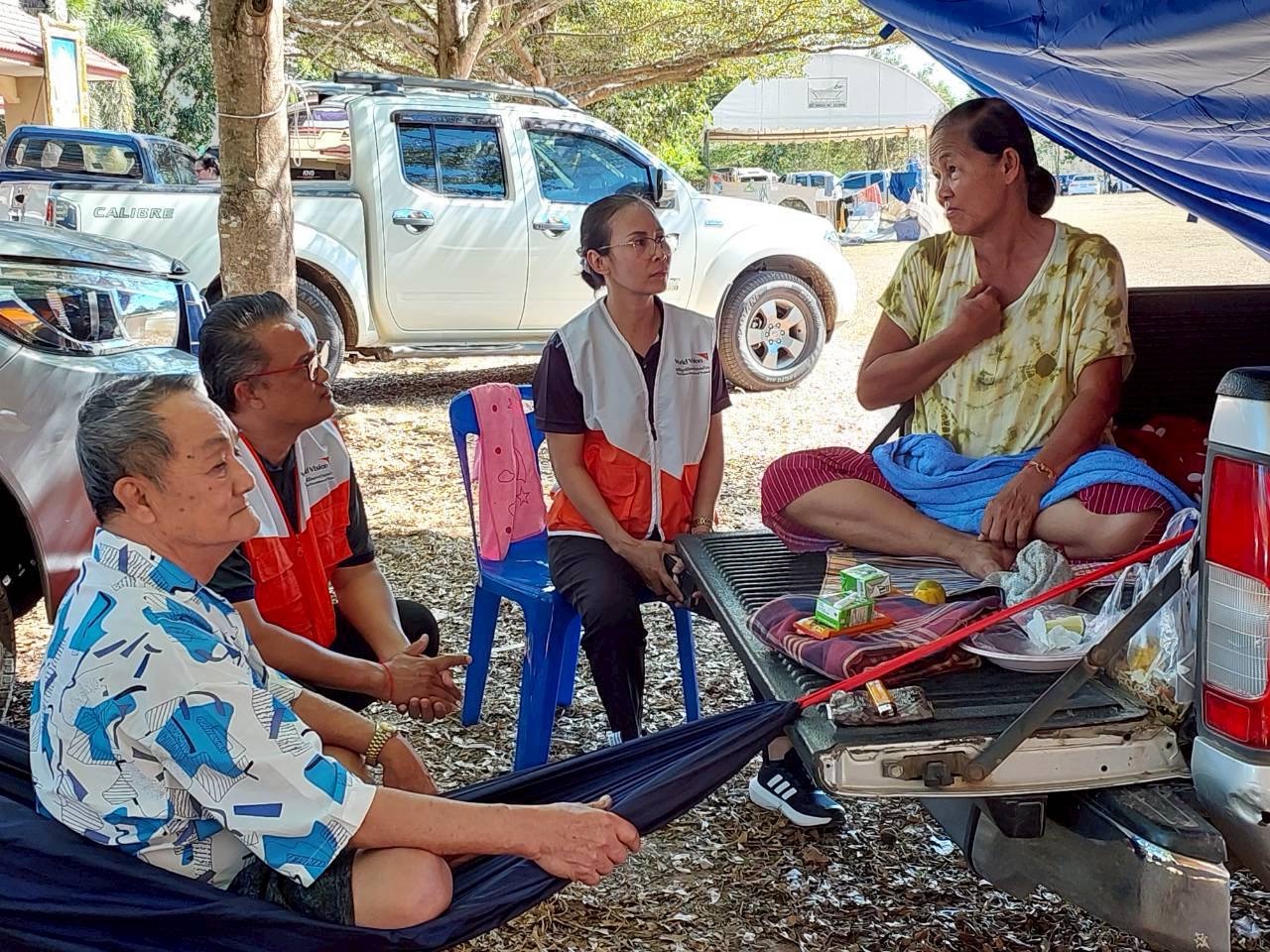
One of the memories that remains vivid in my mind today is meeting an elderly couple at the shelter. They had evacuated from the area in a single car, only to find no space available when they arrived. They were forced to sleep in the rain while waiting for assistance.
That day, I did not have much to give them. All I could do was sit with them, listen to their stories, and simply be present. As we talked, the elderly couple began to cry, expressing their gratitude for having someone to listen. That moment made me realize that sometimes the most important support is not material, but letting someone know they are not facing a crisis alone.
A simple sentence “I am here today, and I will do my best to help” became the encouragement someone needed to keep going.
The Heart of Humanitarian Work Lies in Doing It with Heart
If someone asks me what the heart of humanitarian work is, my answer remains the same: ‘Do it with heart.’
Because in a crisis, no manual can cover every situation, no plan is perfect, and no one knows what challenges lie ahead.
However, when we know who we are doing this for and understand the impact our work has on people’s lives, we can always find a way forward. That is what gets me out of bed every morning. It is not about titles, responsibilities, or project successes, but knowing there are people waiting for us – children who need someone to listen, families who are hoping for a better future, and people reaching out, even when they lack the strength to ask for help.
From Two Hands to Fourteen
Looking back over my 13 years of work, I am particularly proud to have seen my team grow and become capable of helping others independently.
I have only two hands, but when seven other team members work with the same heart, my two hands become fourteen, reaching out to help children, families, and communities who need hope. That is the most rewarding success I can imagine.
On World Humanitarian Day, I want to extend my support to all humanitarian workers, no matter where you are or which organization you work for. Let’s continue to believe in the value of humanity, listen with understanding, and extend a helping hand to others when they need it.
Because sometimes, what changes someone’s life is not a great act of assistance, but simply letting them know, “On your most difficult day, someone will still come to you and say, ‘We are here for you today.’”