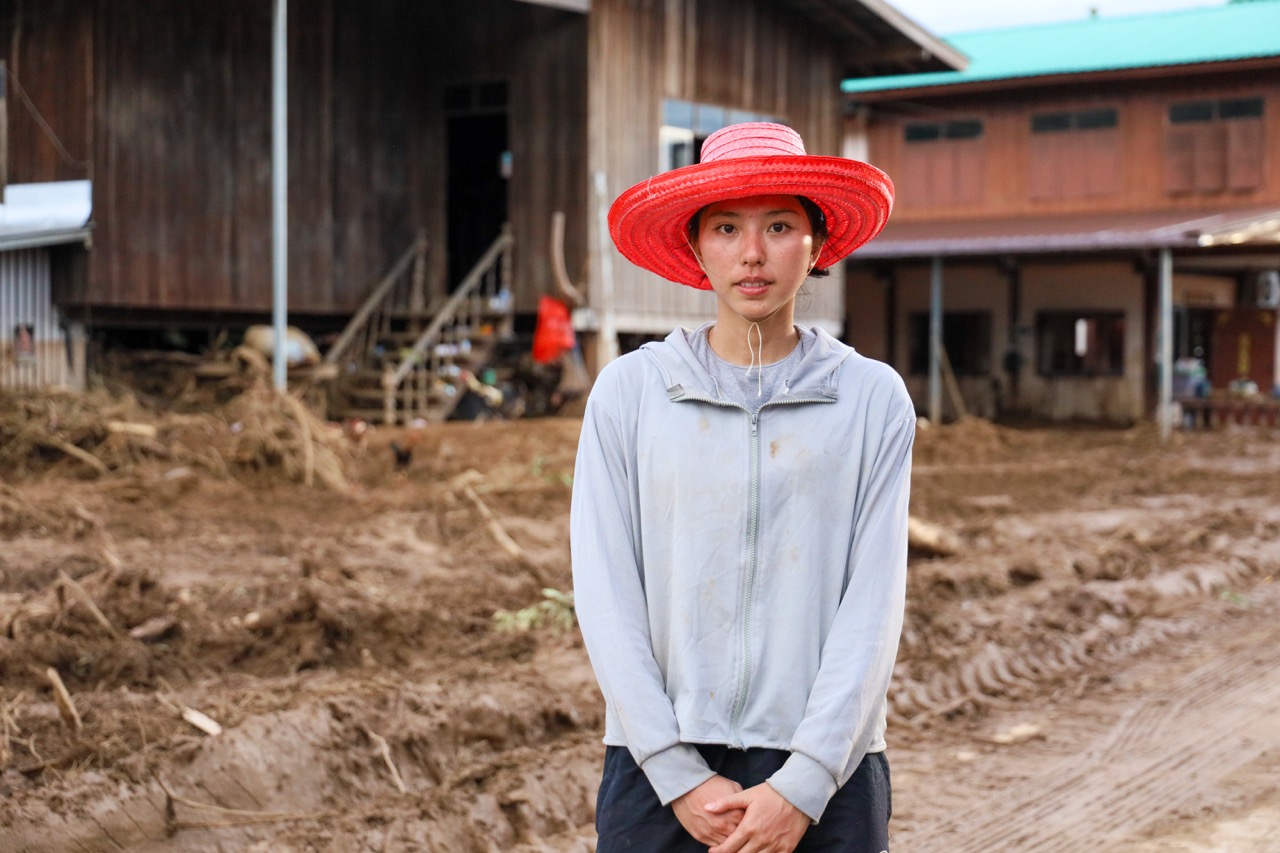
“Everything happened so quickly. No one anticipated it would be this severe,”
This was the first thing Ms. Paweena Kansri, or ‘Kru Nan,’ said when recalling the major flood that swept through her community in Nan province.
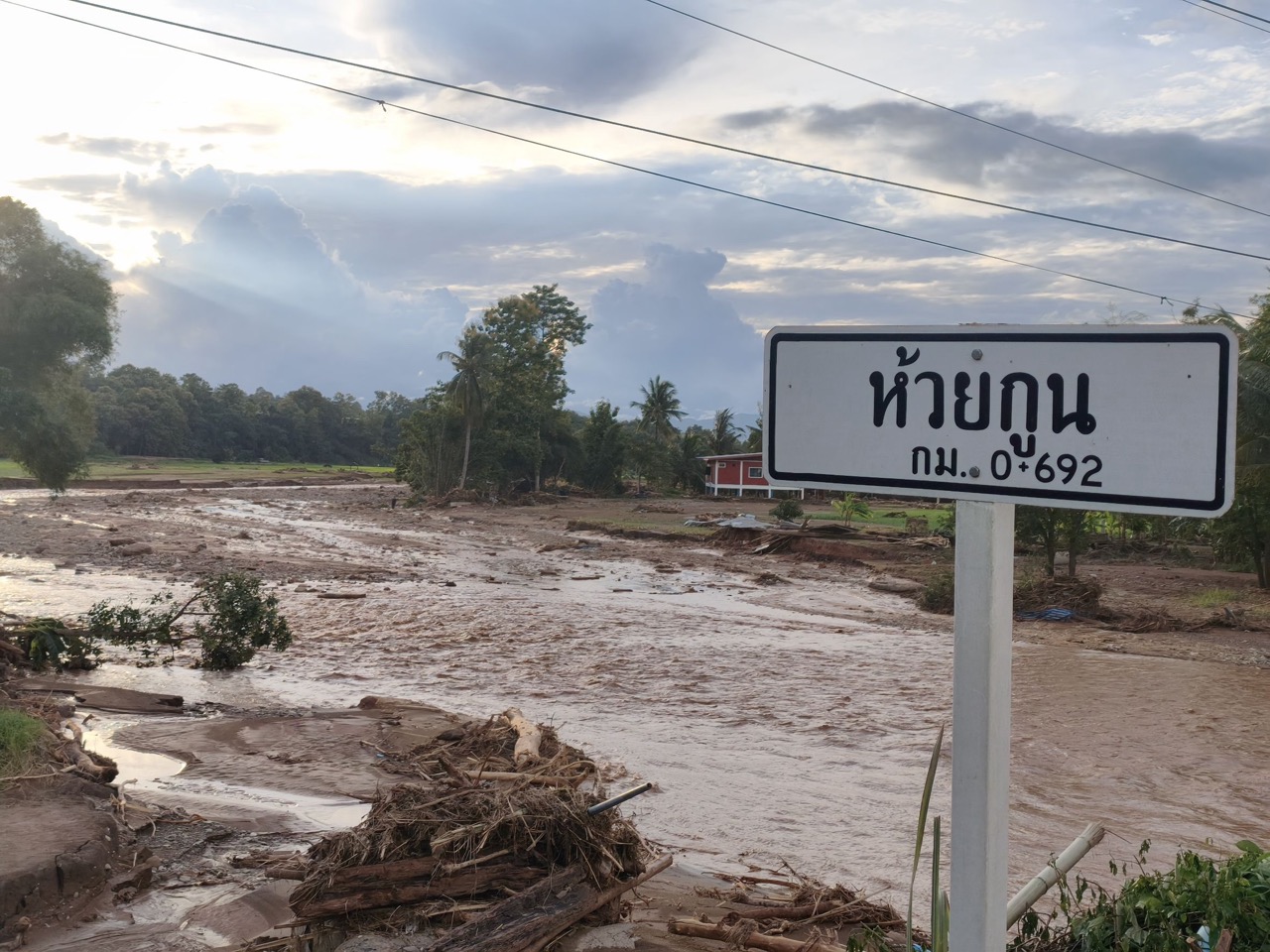
After just a few hours of continuous heavy rain, no one anticipated that more than 300 millimeters of rainfall would change the lives of everyone in the village overnight. Water from a nearby stream overflowed its banks and quickly flooded the area, leaving residents with little time to prepare.
“On the first day, everyone was caught completely off guard. All we could do was move our cars to the temple for safety – there wasn’t time to move anything or get ready.”
Initially, many people thought the situation would improve as it always had, since the community was accustomed to flooding. However, this time was entirely different.
When the water began entering the village in the early hours of the morning, the level quickly rose from waist-high to chest-high, and then almost to the neck.
“At first, everyone thought the water would recede as usual. But around 5:30 AM, the water began flooding the village, rising in several surges until it was almost neck-deep.”
Amidst the chaos, Kru Nan vividly remembers one incident: wading through the fast-flowing floodwaters to save her family’s motorcycle from being swept away by the floodwaters.
“My father threw me a rope. I quickly waded into the water to tie up the motorcycle, then sent the rope back to him before hurrying upstairs to the second floor of the house.”
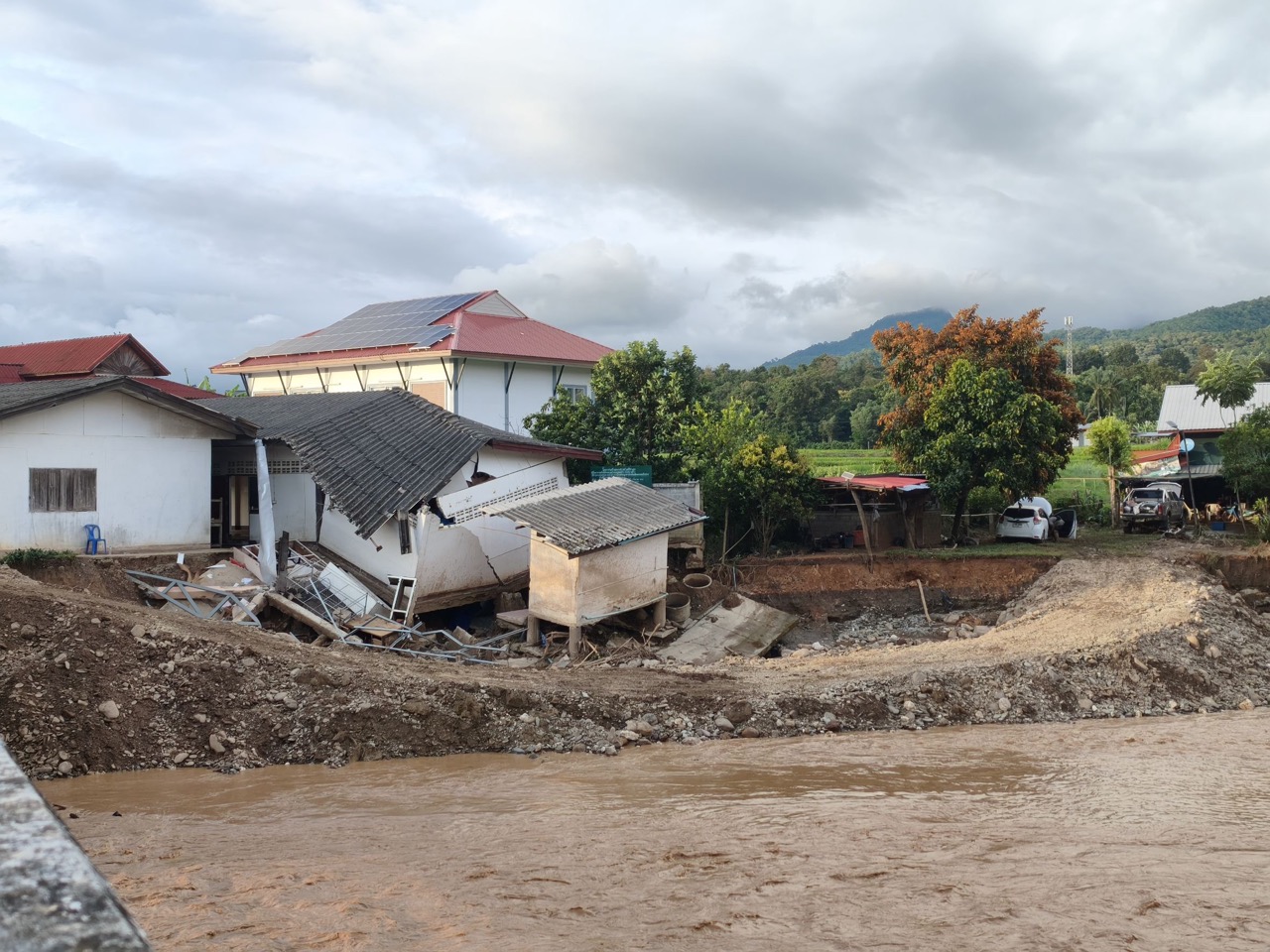
Behind the severity of this flood lies, in part, damage to the flood barriers. This caused a massive amount of water to change course and flow directly into residential areas, overwhelming many homes.
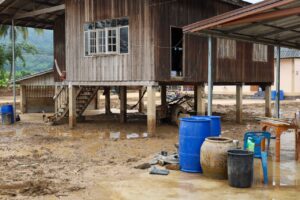
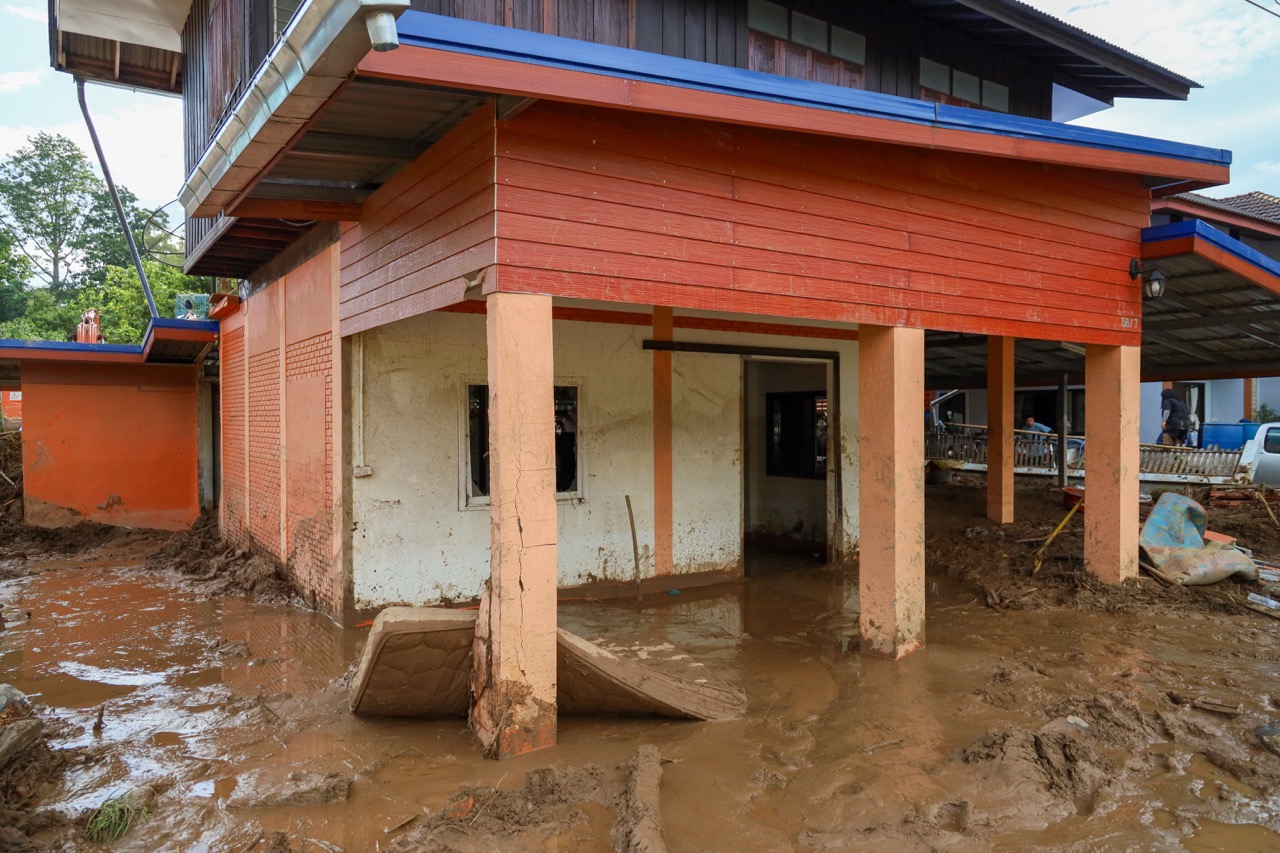
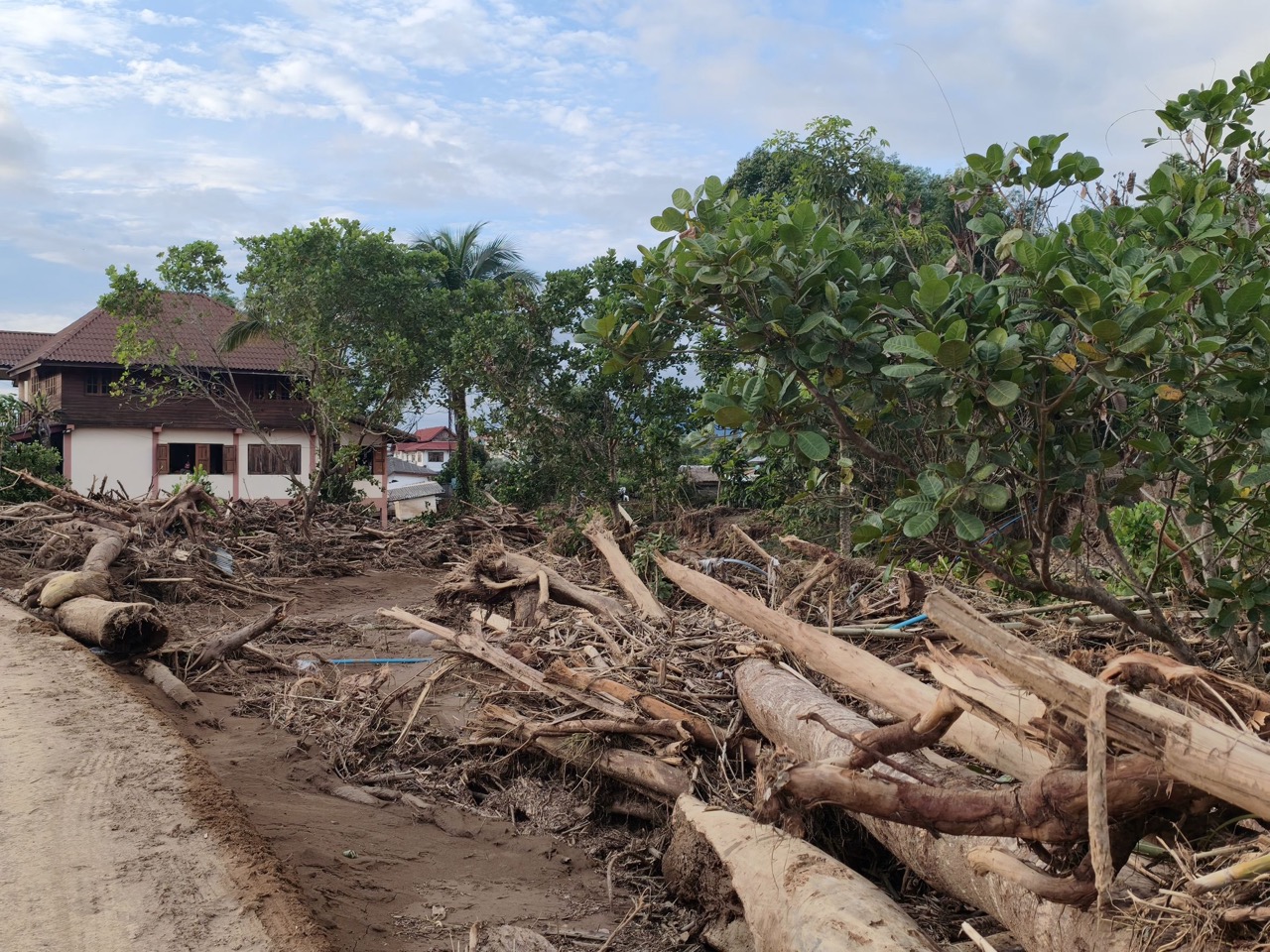
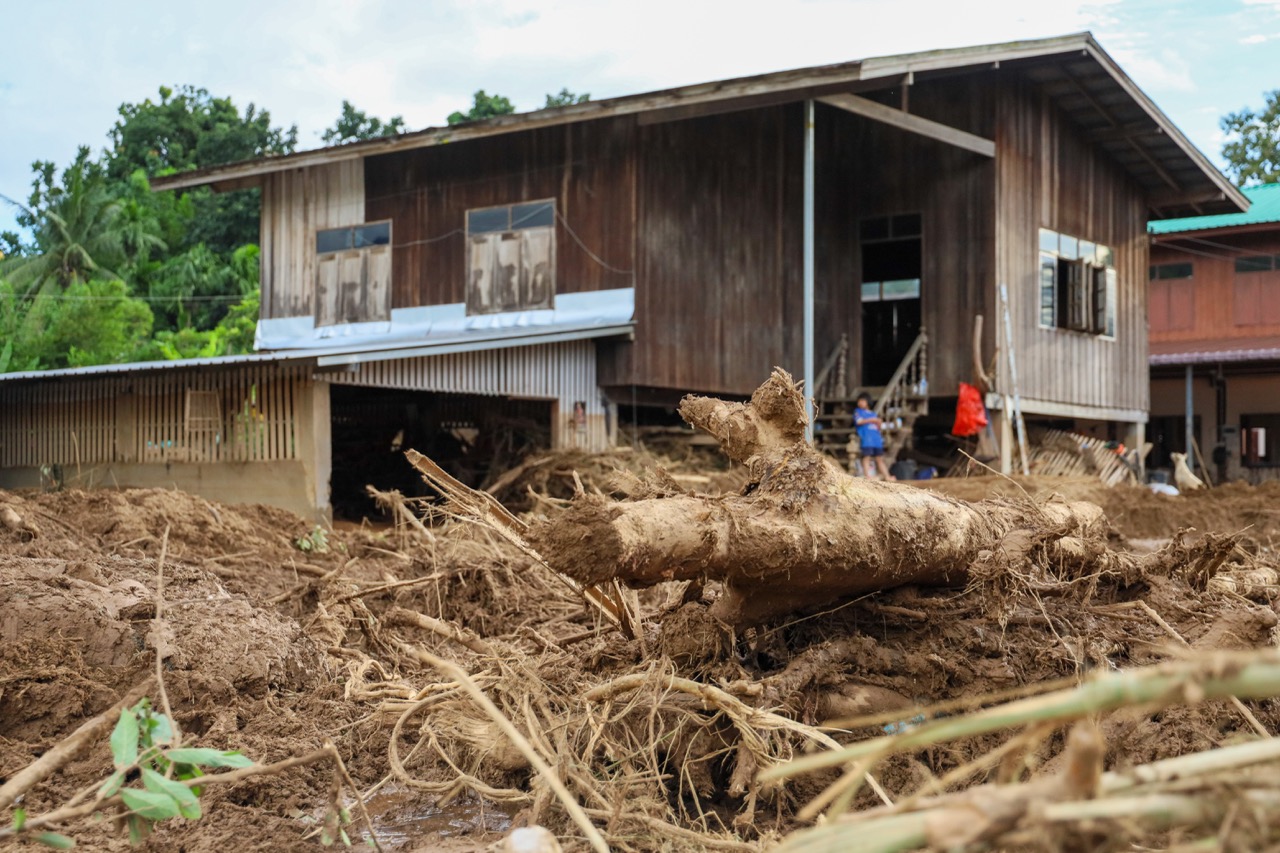
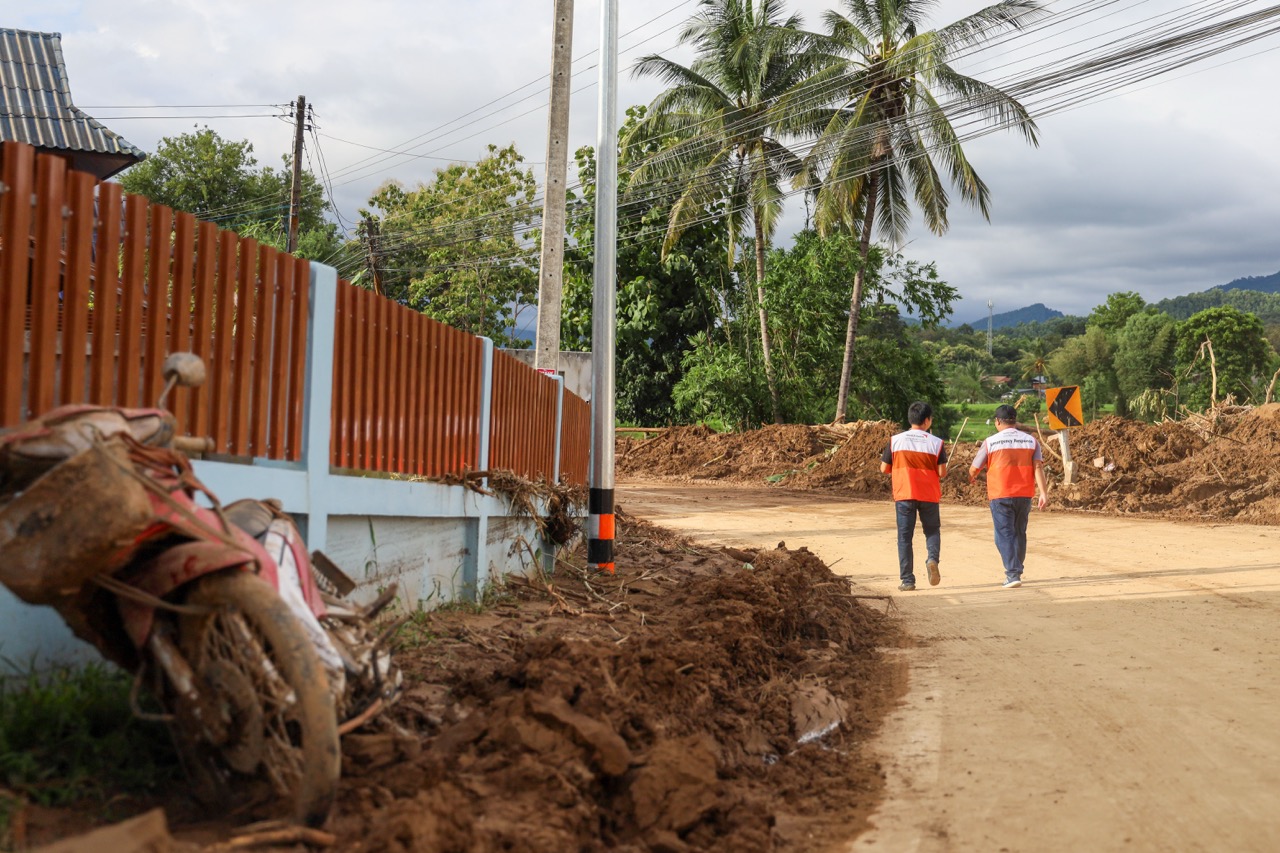
Even after several days, signs of the damage are still visible throughout the village, with huge piles of mud blanketing the roads and houses.
“The area you see now is just the front part of the village that has already been cleared. It’s much worse further in, with mud still accumulated in many places.”
This disaster damaged over 33 homes, leaving many families unable to return to their homes and resume normal life. Residents of two-story houses were forced to move to the upper floors, while those in single-story homes evacuated to temples and stayed with relatives.
In addition to the damage to homes, residents also faced several days without electricity, running water, and communication services, further hindering relief efforts and daily life.
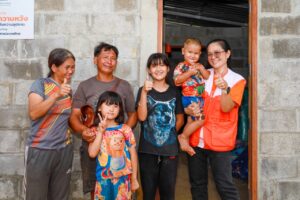
For Kru Nan, as a teacher, her concern for the children and vulnerable groups in the community is as great as her concern for the damaged homes.
At least six students were directly impacted, and every household experienced comparable losses.
Within the village, there are bedridden patients, people with hearing impairments, those with visual impairments, and elderly residents who are unable to care for themselves, making evacuation and assistance challenging.
“Paramilitary rangers arrived to provide assistance in the early hours of the morning, but prioritized helping the most vulnerable residents first, as the village is home to several bedridden patients and people with disabilities.”
As the floodwaters receded, new problems emerged. Villagers were left without enough clean water because the main water sources—the water supply system and wells—had been buried in mud and were no longer usable.
Currently, many households are lining up to pump water from the irrigation canal to wash away the mud covering their homes.
“Every household used to rely on groundwater, but they are now completely unusable. We would like to see the wells restored or new water sources drilled so everyone can have regular access to water again.”
In addition to clean water, clothing and personal necessities are also urgently needed. Many families were forced to evacuate their homes with little time to take their belongings or even basic clothing with them.
“Many people had only one set of clothes and had to wash and wear it every day.”
Despite widespread damage and hardship, the community’s resilience and hope to rebuild their homes and lives remain strong.
For Kru Nan, the most important help today might not be just relief goods, but support that enables the community to recover and stand on its own again.
“If there is clean water and sufficient supplies, the villagers will begin to rebuild their homes and recover more quickly.”
Amidst the devastation left by the floodwaters, hope endures in the hearts of the people here. Every act of support today is a vital source of strength, helping this small community in Nan province overcome this major crisis and begin anew.