From Community Strength to Health System Partner: Strengthening Civil Society Organizations for Sustainability
Over the past several decades, Community-Based Organizations (CBOs) have demonstrated their vital role in advancing Thailand’s efforts to end the HIV/AIDS epidemic. Their contribution is supported by both practical experience and evidence. With their strong community presence and flexibility, CBOs are able to reach key populations that are often underserved by public health services. They have become an indispensable community-based mechanism in Thailand’s response to both HIV and tuberculosis (TB). At present, 56 community organizations have successfully met the organizational assessment criteria established by the Department of Disease Control (DDC). In addition, 60 organizations have been recognized as Holistic Centers (Thai Network of People Living with HIV/AIDS :TNP+), and 107 community-based service units have been accredited to provide specialized HIV and sexually transmitted infections (STIs) services through the referral system. Significant progress has also been made in developing civil society volunteers. A total of 890 volunteers have completed the 50-hour RRTTPR (Reach-Recruit-Test-Treat-Prevent-Retain) training programme, which covers the full continuum of HIV and STI services, including outreach, linkage to care, testing, treatment, prevention, and retention in care. Of these, 702 successfully passed the competency assessment and received certification from the Department of Disease Control. In addition, 456 volunteers completed the 20-hour Reach and Recruit (RR) training programme, with 354 meeting the required competency standards. These achievements highlight the growing strength and contribution of civil society to Thailand’s health response. At the same time, lessons learned from implementation underscore the importance of further integrating civil society organizations into the formal health system. In particular, smaller community-based organizations with strong commitment and potential often require additional support and recognition to fully participate in and contribute to the national health system. Strengthening their capacity and creating pathways for formal integration will be essential to building a more inclusive, resilient, and sustainable health system for the future.
World Vision Foundation of Thailand: Strengthening Civil Society Organizations as Part of a Sustainable Health System
In 2026, World Vision Foundation of Thailand, under the “Stop TB and AIDS through RRTTPR 2024-2026” project supported by the Global Fund, played a key role in advancing community health leadership development in partnership with the Service Workers in Group Foundation (SWING). Through the capacity building of 150 community health volunteers, the initiative aims to strengthen the readiness of civil society organizations (CSOs) to become specialized community-based referral service units under Section 3 of Thailand’s National Health Security Act B.E. 2545 (2002). This accreditation enables organizations to legally provide health services and receive funding from the National Health Security Fund through the National Health Security Office (NHSO). The initiative targets supporting more than 29 organizations to achieve registration by 2026.
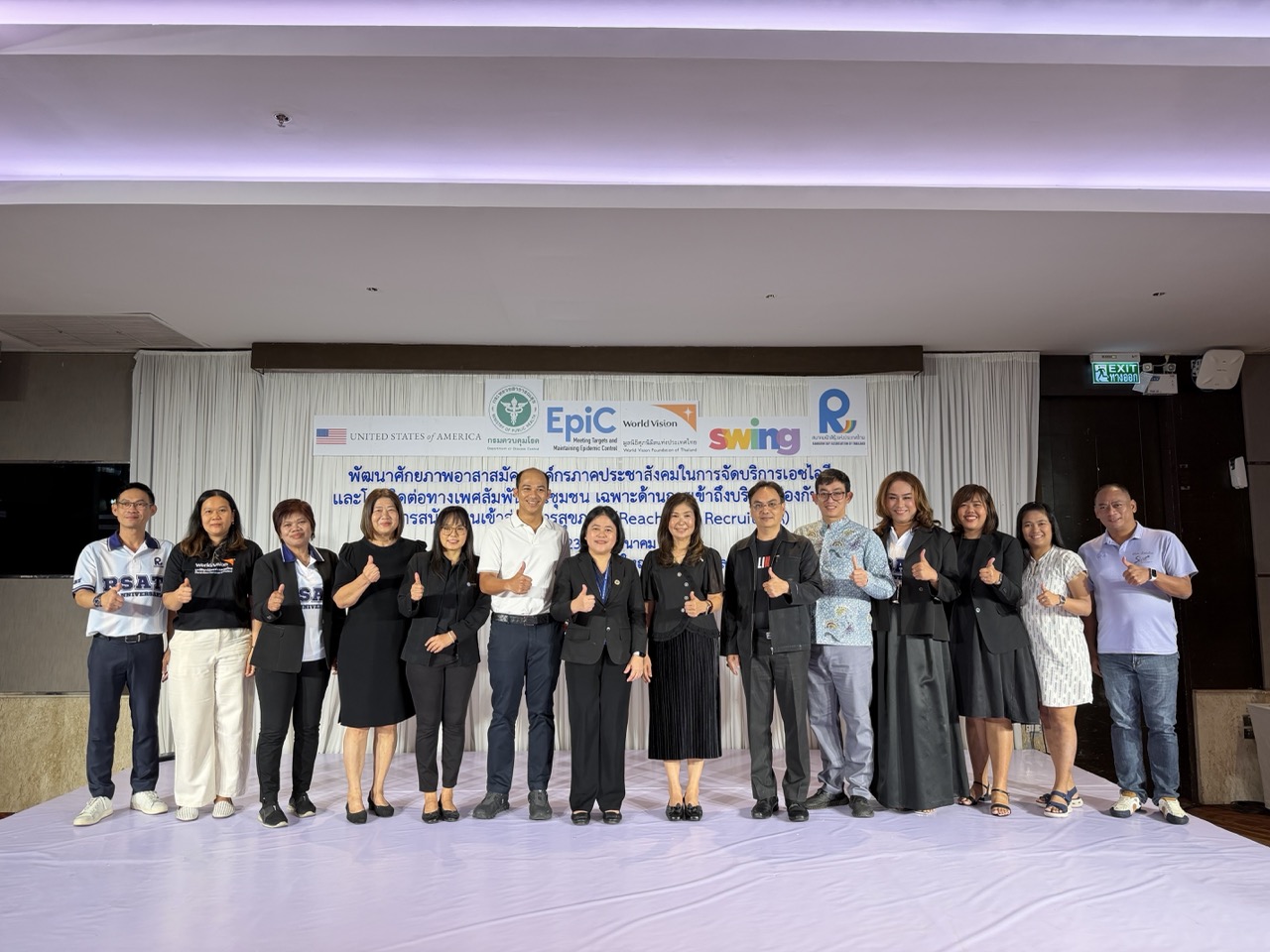
This effort is implemented through a broad partnership involving the Division of AIDS and Sexually Transmitted Infections, Department of Disease Control, Ministry of Public Health; the U.S. Centers for Disease Control and Prevention (CDC Thailand & Laos); the EPIC Project under FHI 360; and Raks Thai Foundation. Together, these partners are working to strengthen Thailand’s capacity for self-reliance and support a sustainable transition toward greater use of domestic resources, particularly as international funding continues to decline. This initiative is the transformation of civil society organizations from “project implementers” into “strategic partners” within the national health system. Through legal recognition and accreditation, CSOs can formally participate in delivering health services and contribute to strengthening Thailand’s primary healthcare system. Special emphasis is placed on supporting smaller community-based organizations with the potential and commitment to obtain Section 3 accreditation, while also enhancing the quality of Reach and Recruit (RR) services across all regions of the country. This investment in people and organizations goes beyond expanding access to health services for vulnerable populations and key populations. It lays the foundation for civil society organizations to become an integral part of a stronger, more sustainable, and community-centered primary healthcare system that can effectively serve people for years to come.
Civil Society Volunteers: A Driving Force for Accreditation and Sustainable Community Health Systems
Developing both Thai and migrant community health volunteers to work effectively within the public health system is a key step in strengthening civil society organizations (CSOs) and enabling them to become accredited service providers under Section 3 of Thailand’s National Health Security Act B.E. 2545 (2002). One of the most important requirements for accreditation is ensuring that personnel meet established competency standards. Volunteers are required to complete standardized training programmes such as the Reach and Recruit (RR) course, which focuses on reaching key populations, building trust, and linking people to health services. Participants must achieve a minimum score of 80 percent in the competency assessment to receive certification. Once qualified personnel are in place, organizations can proceed through the accreditation pathway, including self-assessment, external assessments by the Office of Disease Prevention and Control (ODPC) and Provincial Public Health Offices (PPHOs), before applying for registration with the National Health Security Office (NHSO). In many ways, the quality of people determines the quality of the system. Skilled staff and volunteers not only help connect communities to health services but also serve as essential drivers of a strong, accessible, and responsive community health system. Investing in volunteer development is therefore much more than individual capacity building. It is a long-term investment in Thailand’s primary healthcare system, enabling civil society organizations to evolve from project implementers into recognized and trusted partners within the national health system. This reflects the success of Thailand’s Village Health Volunteers (VHVs), whose contributions have demonstrated that when community members receive the right support and opportunities, they become powerful agents of change and indispensable partners in improving public health and well-being. By strengthening the capacity of community volunteers today, Thailand is laying the foundation for a more inclusive, people-centered, and sustainable health system for the future.
Three Locations, One Goal: Building Community Health Leaders and Expanding Access to Inclusive Health Services
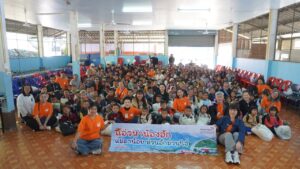
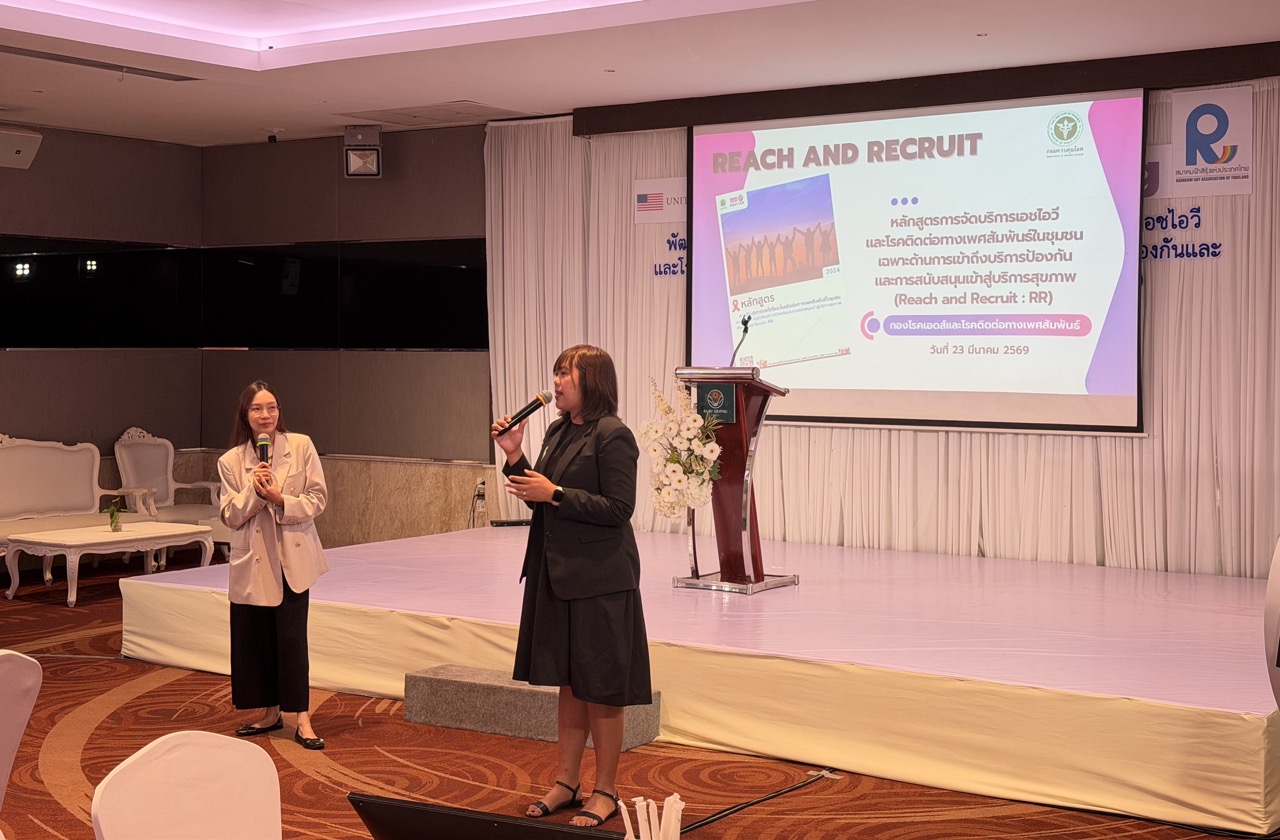
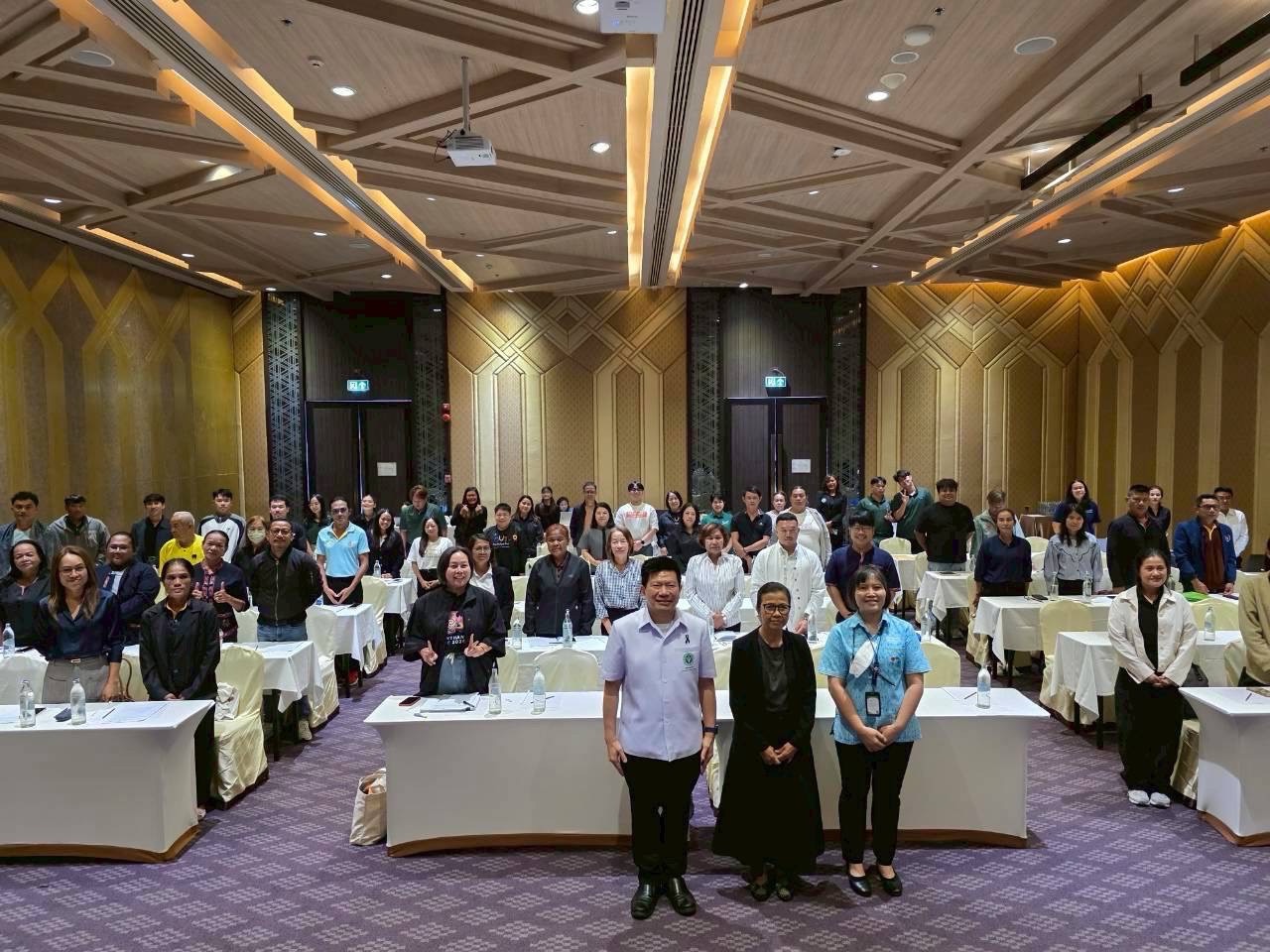
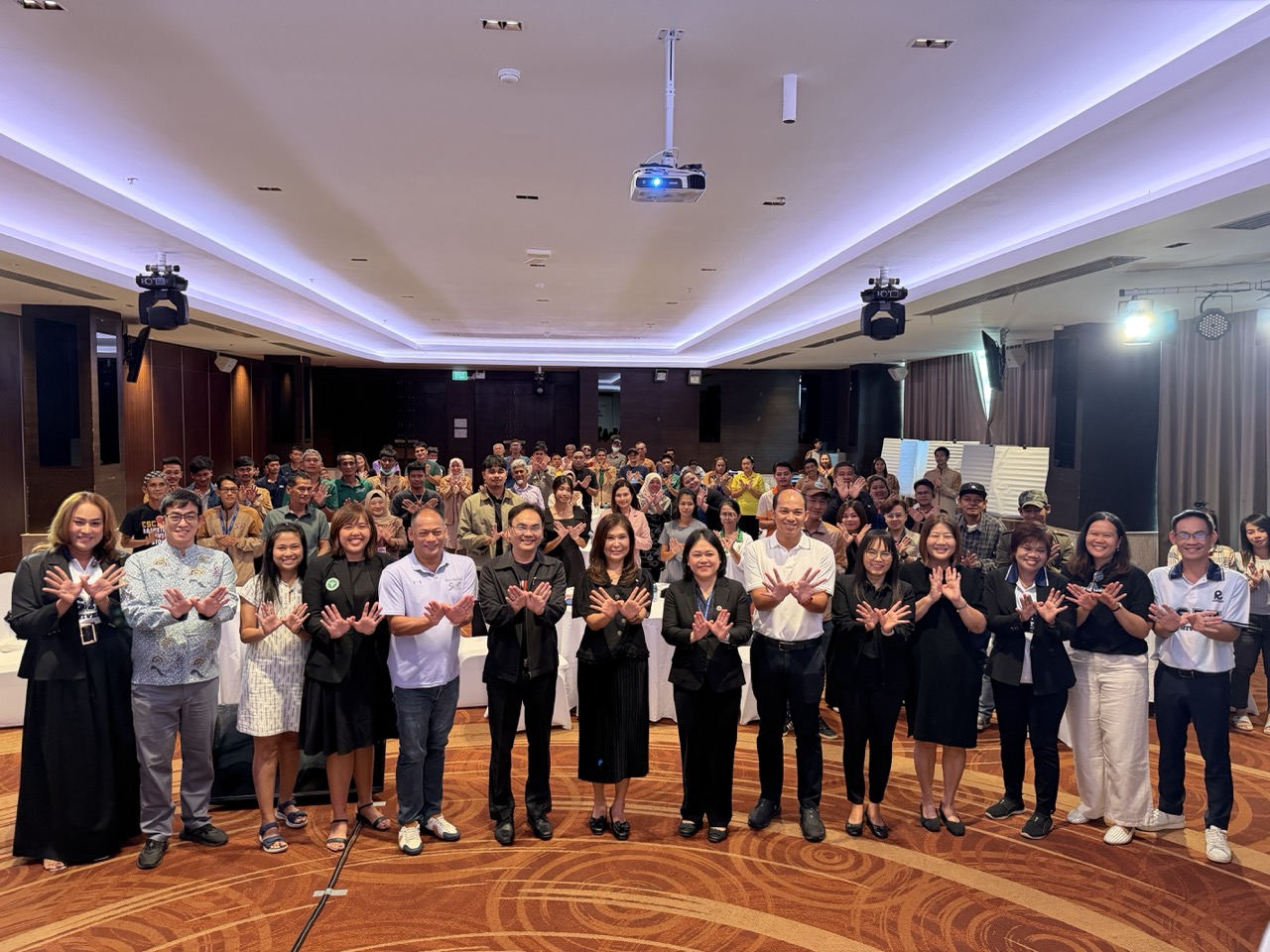
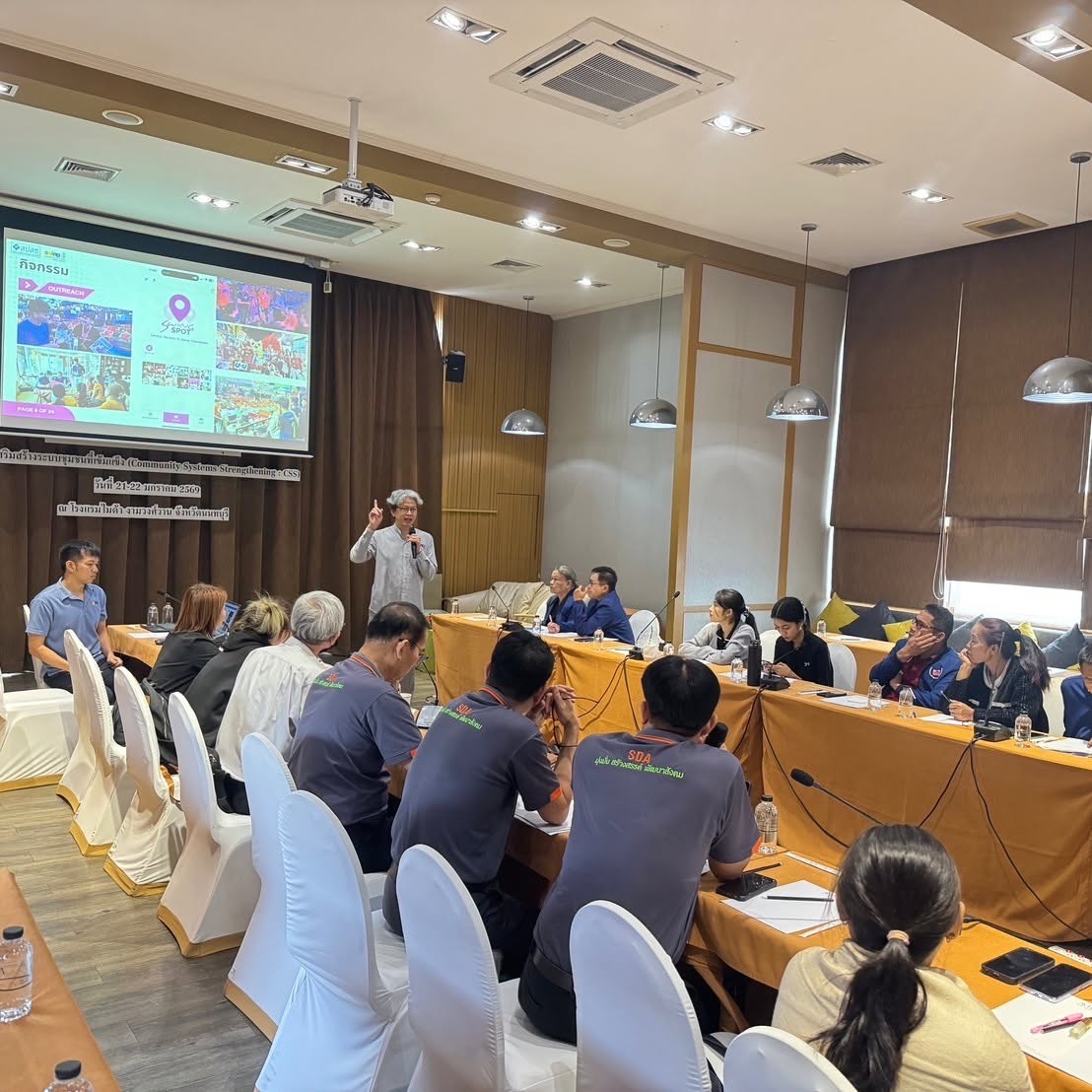
To create equal opportunities for civil society organizations (CSOs) across Thailand to strengthen their capacity and become part of the national health system, World Vision Foundation of Thailand and its partners organized three Reach and Recruit (RR) training courses in key regions of the country. Through collaboration with government agencies, civil society organizations, and local health networks, the programme was designed to ensure that capacity-building opportunities were accessible, relevant, and responsive to the needs of different communities.
The first training was held in Bangkok in January 2026 in partnership with the Service Workers in Group Foundation (SWING) and the Department of Health, Ministry of Public Health. A total of 43 participants attended the training, with 29 successfully passing the competency assessment, representing a 67.44% pass rate. While Bangkok offers extensive access to resources and learning opportunities, the assessment results reflected the programme’s high standards, which emphasize practical knowledge and skills required for effective community-based health work.
The second training took place in Songkhla Province in March 2026 through collaboration with the EPIC Project under FHI 360, Raks Thai Foundation, Transgender Diversity Network (TDN), and SWING. The training was attended by 60 participants, of whom 42 passed the assessment, achieving a 70% pass rate. The improved results demonstrated the value of continuous learning and the adaptation of training approaches to better suit local contexts.
The third and largest training was organized in Khon Kaen Province in June 2026. It brought together representatives from 22 civil society organizations and community networks across eight provinces, including Chiang Mai, Kalasin, Khon Kaen, Maha Sarakham, Roi Et, Udon Thani, Sakon Nakhon, Sisaket, and Bangkok. A total of 64 participants attended, with 44 successfully passing the assessment, resulting in a 78.57% pass rate. These outcomes reflected the growing strength of regional networks and the increasing readiness of community organizations to pursue future accreditation and integration into the health system.
Across all three training locations, more than 44 community and civil society organizations from 31 provinces participated in the programme, and 115 volunteers successfully completed the RR training course (as of June 2026). These achievements demonstrate not only the expansion of a nationwide network of community health leaders but also the power of collaboration among the Office of Disease Prevention and Control (ODPC), Provincial Public Health Offices (PPHOs), regional offices of the National Health Security Office (NHSO), and civil society partners across the country. Importantly, the programme also created opportunities for organizations working with vulnerable populations and people facing communication barriers. For example, Nabdao Foundation for Deaf and Society Thailand participated in the training and successfully met the programme’s competency standards. This reflects a strong commitment to building an inclusive health system where everyone has the opportunity to develop their skills and contribute to improving community well-being. Ultimately, strengthening volunteers and civil society organizations is about more than knowledge transfer. It is about building a capable workforce, empowering communities, and enabling organizations to become fully integrated into Thailand’s health system. By improving access to government support mechanisms and strengthening community-based services, these efforts contribute to a more inclusive, equitable, and sustainable health system that leaves no one behind.
The Way Forward
The experience of developing community health volunteers and strengthening civil society organizations (CSOs) has shown that building a strong and sustainable health system requires investment in both people and organizations. Moving forward, there are two key priorities:
- 1. Strengthening Volunteer Capacity Development
Training approaches, content, and learning methods will be continuously improved to better match the needs and contexts of different volunteer groups. This will help equip volunteers with the skills required to work effectively within their communities and link people to essential health services. - 2. Supporting Organizations toward Section 3 Accreditation
Efforts will be intensified to strengthen mentorship systems and provide technical support on documentation, accreditation processes, and organizational standards. The goal is to help more CSOs become accredited service providers under Section 3 of the National Health Security Act, with at least nine additional organizations targeted for accreditation by 2026.
The success of this initiative is not measured solely by the number of organizations accredited. More importantly, it demonstrates that community volunteers and civil society organizations, when systematically developed and supported, can become sustainable and valued partners within Thailand’s health system. This mirrors the long-standing success of Thailand’s Village Health Volunteers (VHVs), who have played a vital role in connecting communities with healthcare services. Furthermore, enabling civil society organizations to access domestic funding mechanisms represents a significant step toward reducing reliance on international donor support and strengthening country-led responses. This transition will help ensure that HIV and tuberculosis services remain sustainable and resilient, even as the global funding landscape continues to evolve.
World Vision Foundation of Thailand remains committed to working alongside government agencies, civil society organizations, and development partners to strengthen local capacity, empower community organizations, and promote meaningful participation in the health system. We believe that a sustainable health system begins with strong communities, and that lasting change happens when everyone has the opportunity to be part of the solution, leaving no one behind.