The situation of sexually transmitted infections (STIs), particularly syphilis, in Pong Nam Ron and Makham districts of Chanthaburi Province, which are World Vision Foundation of Thailand’s implementing areas, continues to show a steady upward trend. This aligns with provincial statistics indicating that the majority of cases are found among young people aged 15–24.
The rising number of cases signals increasing sexual risk behaviours, such as inconsistent condom use. It has been found that only 80% of young people used a condom during their most recent sexual activity, and fewer than 40% reported consistent condom use with their partners. These patterns reflect shifting values and sexual behaviours among youth, including earlier sexual activity, having multiple partners, and engaging in casual relationships (one-night stands), often without adequate knowledge or awareness of prevention. All of these are contributing factors to the growing spread of STIs.
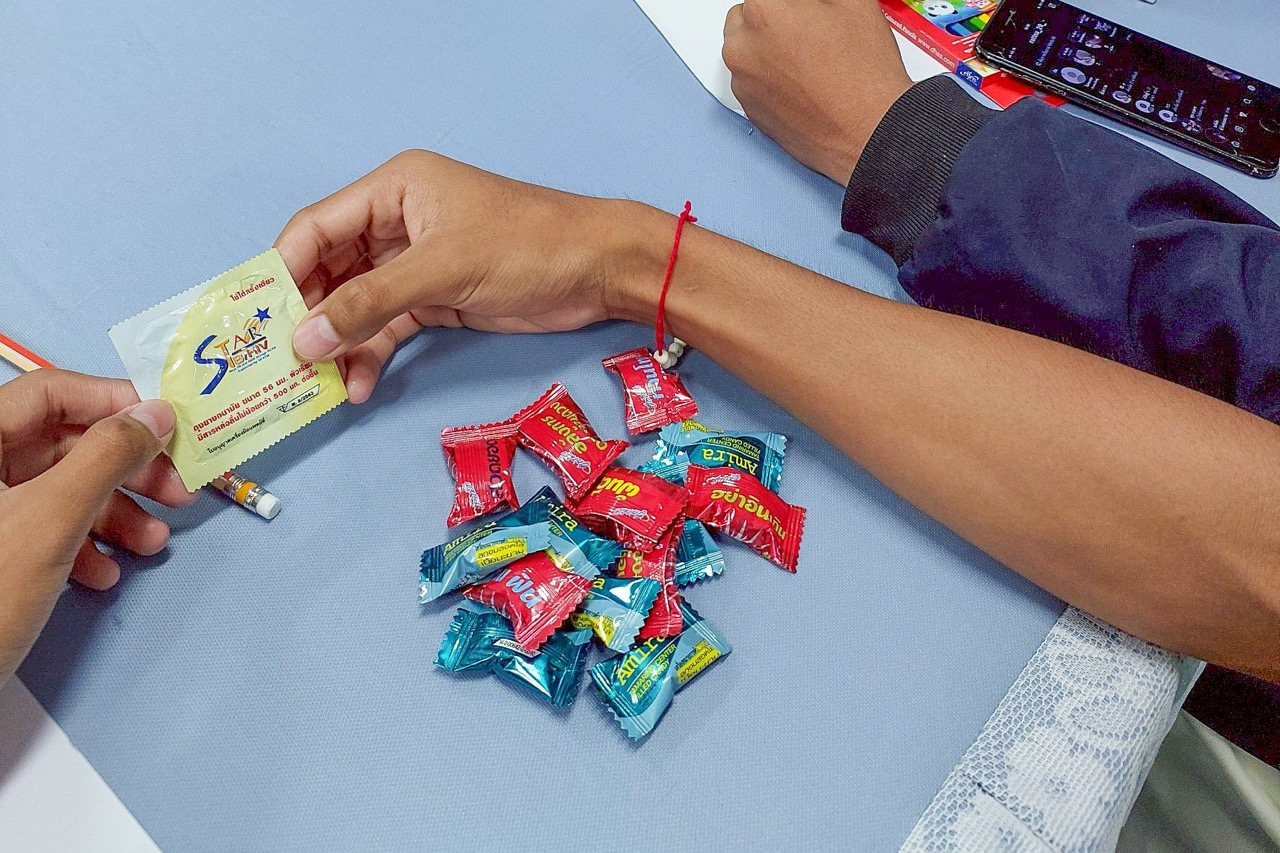
In response to this situation, World Vision Foundation of Thailand’s Chanthaburi Project has collaborated with 10 schools in Pong Nam Ron and Makham districts, alongside World Vision Thailand Youth Leaders, with financial support from the Office of Disease Prevention and Control Region 6, Chonburi Province. Together, we organised the “Life Skills Development Project for Youth and Educational Personnel on STI Prevention and HIV Response 2026”.
The project consists of three main activities:
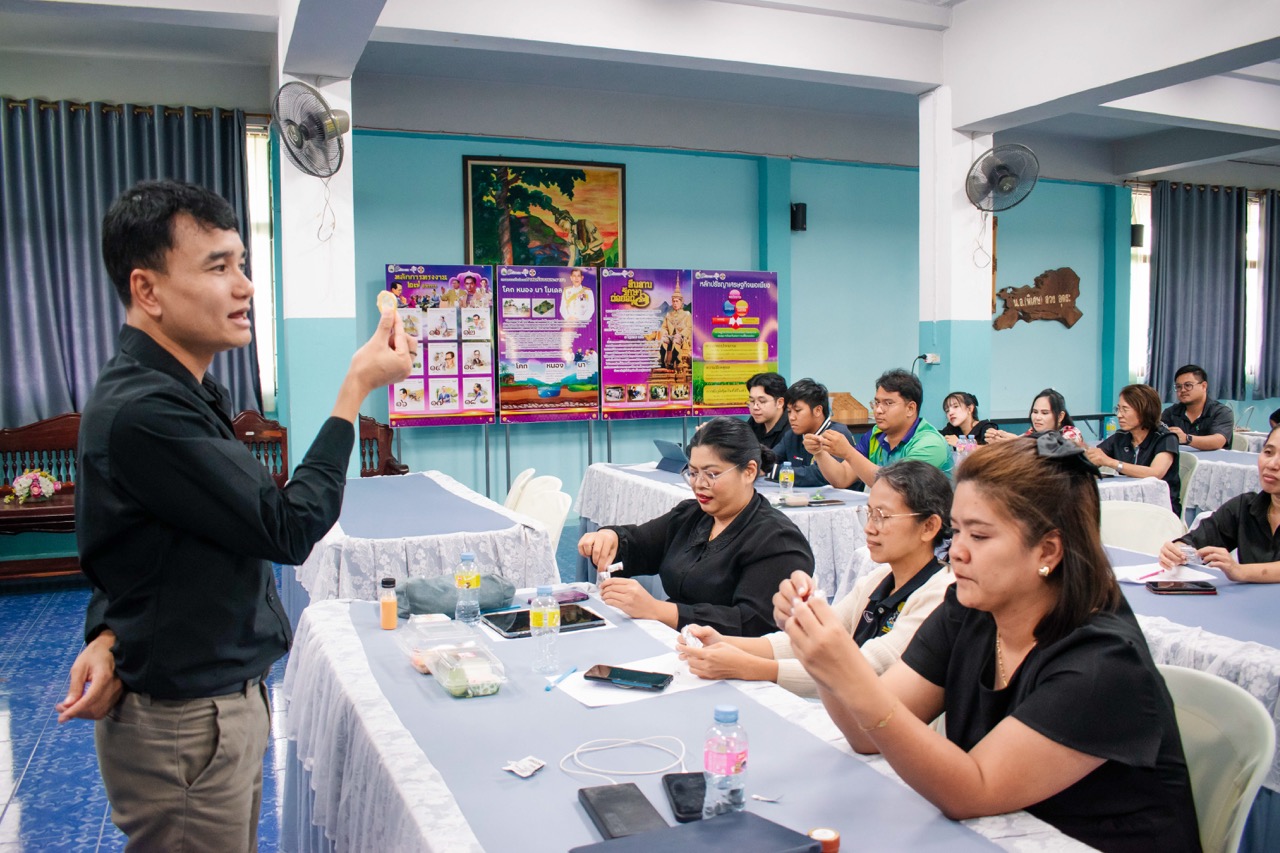
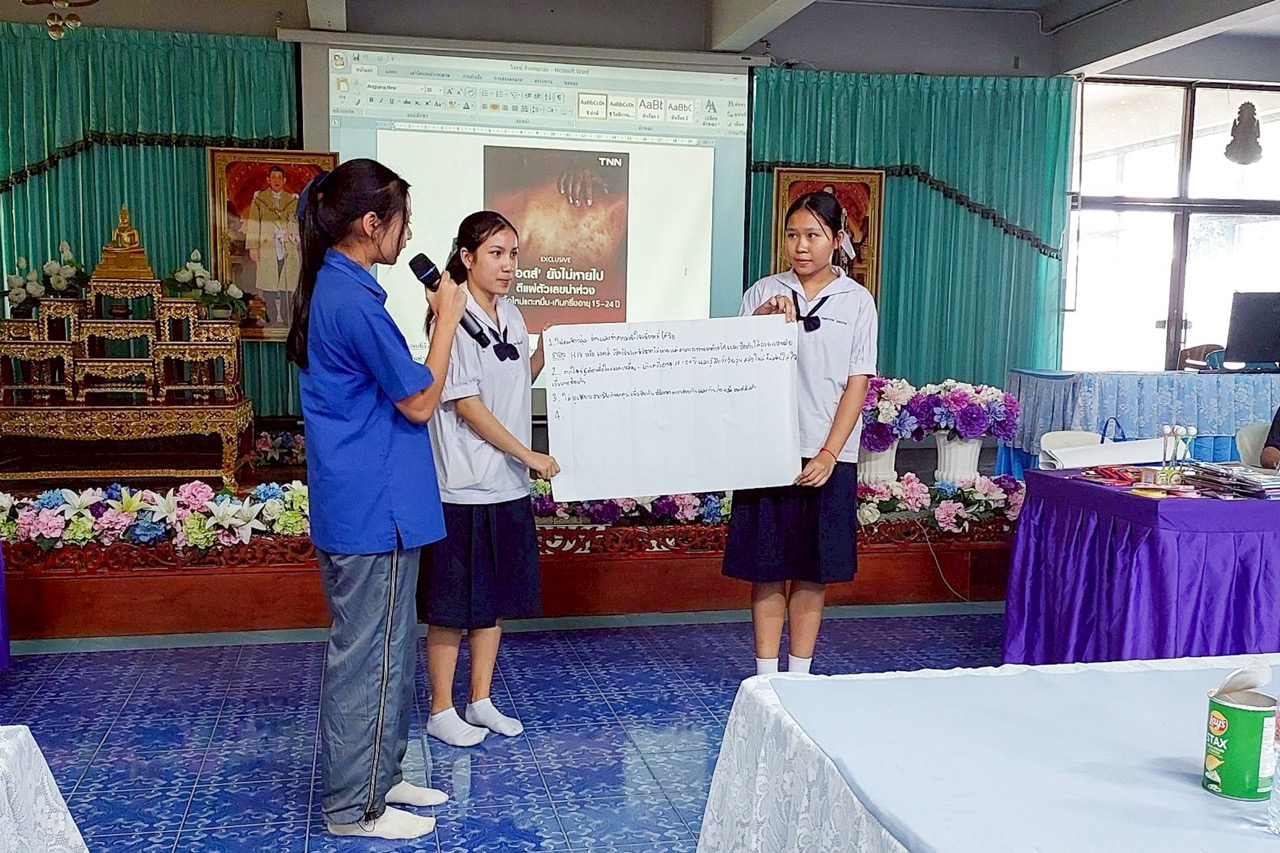
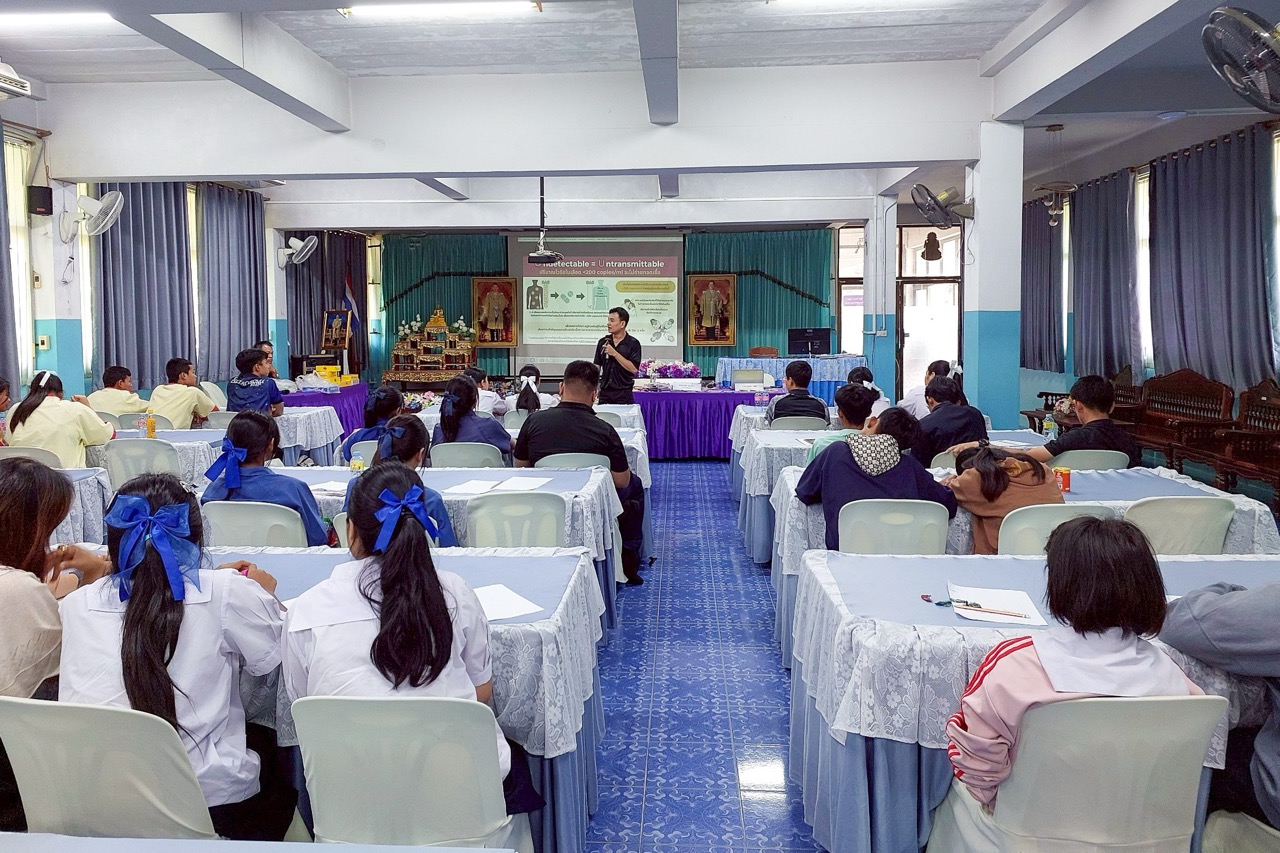
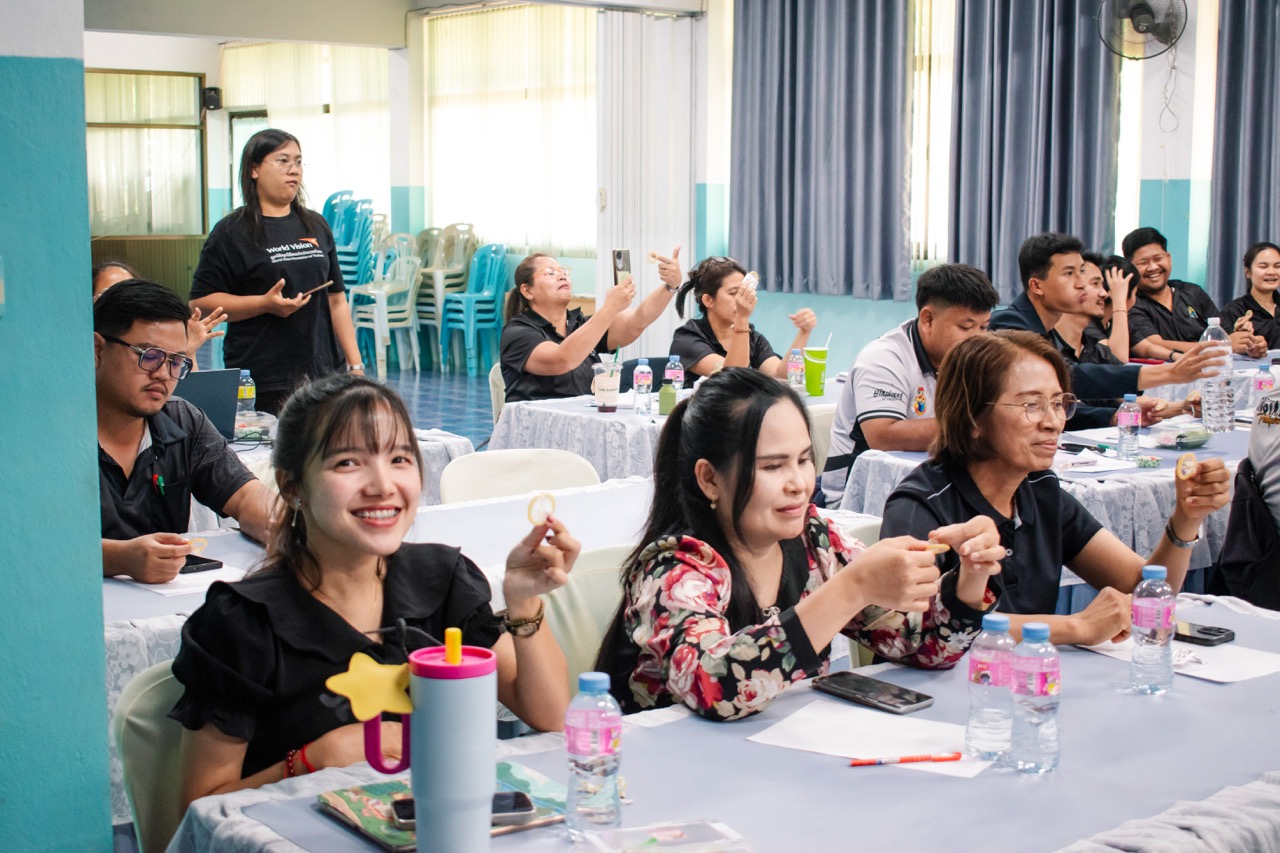
1.Training sessions to provide knowledge on HIV/AIDS and STIs for educational personnel
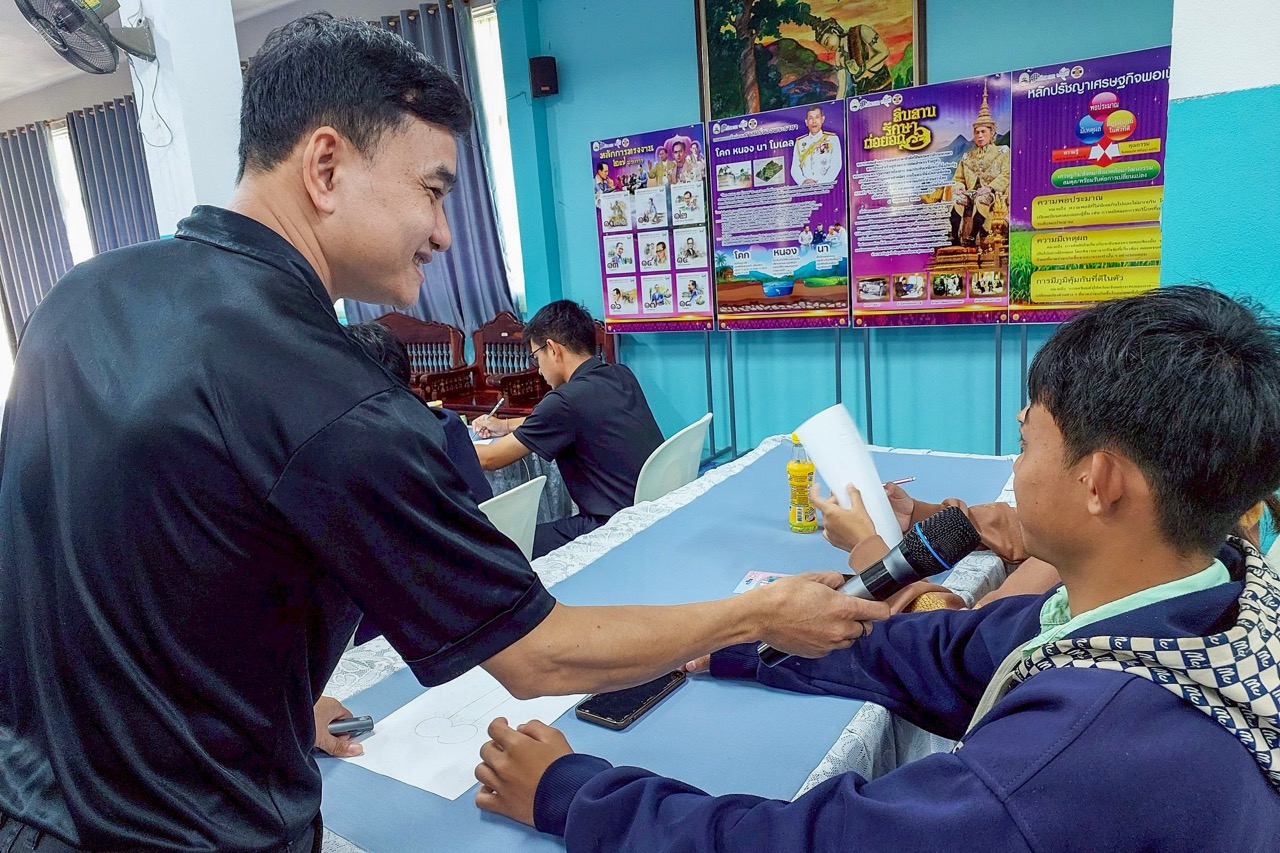
2.Workshops to build core teams within schools to communicate knowledge about HIV/STIs to young people
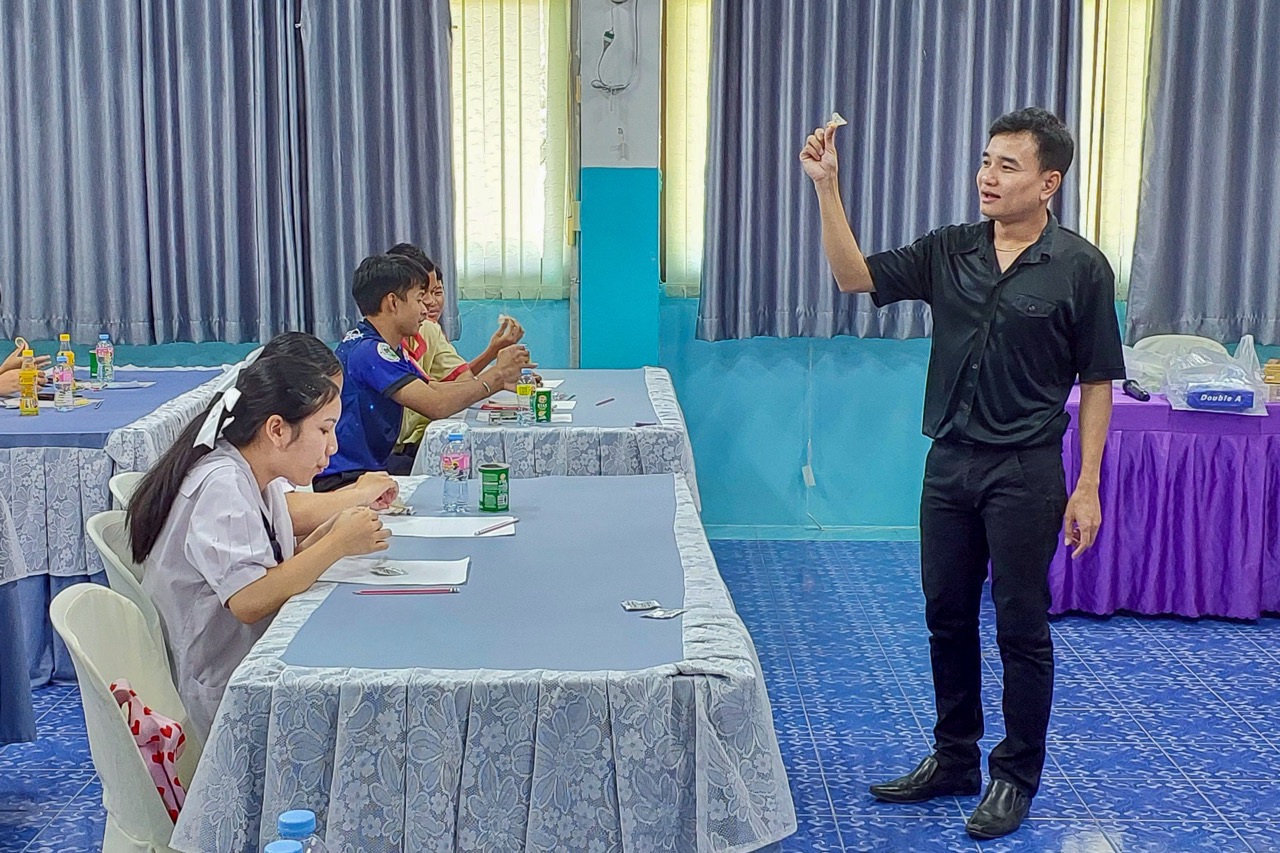
3.Delivering STI prevention education to youth through creative media by World Vision Thailand Youth Leaders
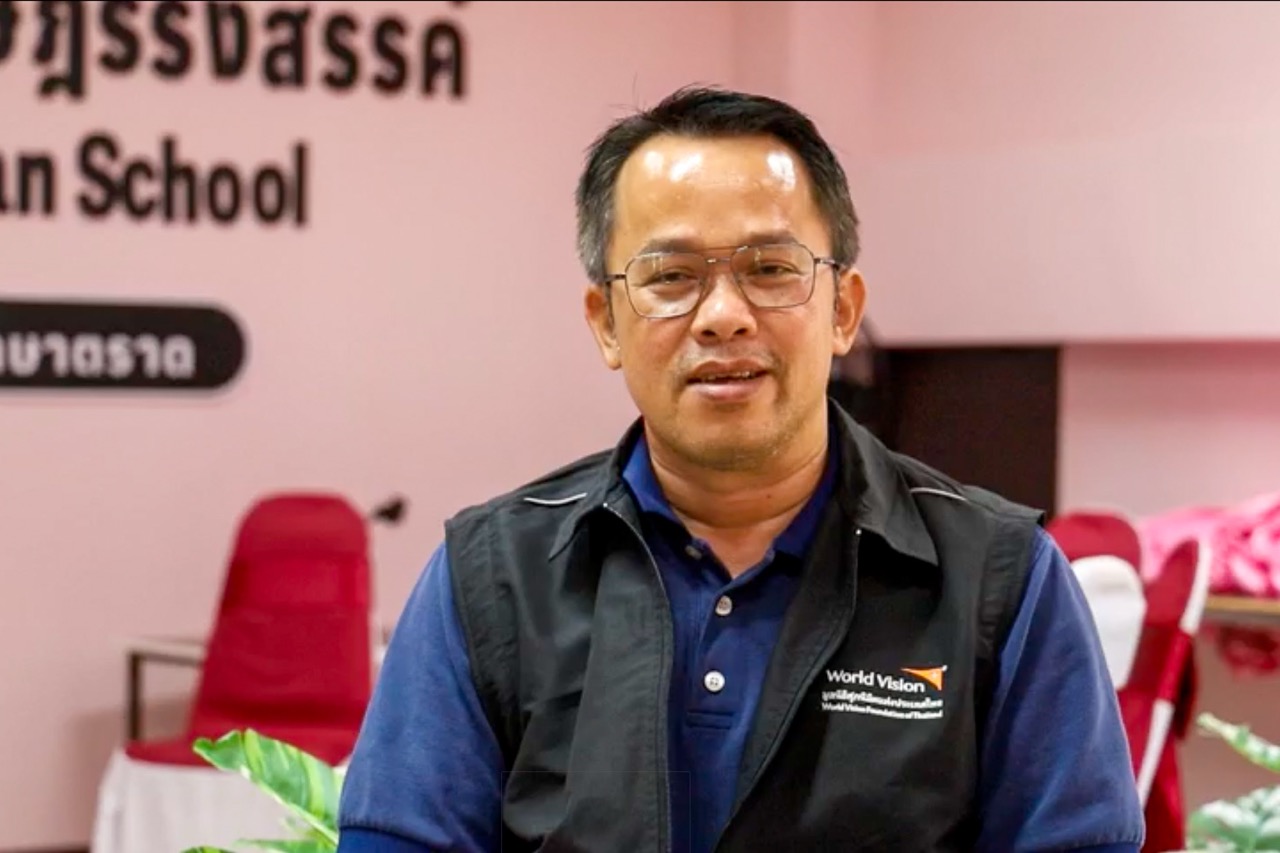
Sangsuree Thongpliew, Programme Manager for Chanthaburi and Trat, World Vision Foundation of Thailand, stated:
“This project aims to enhance knowledge of STIs, HIV/AIDS, and adolescent reproductive health among young people, alongside strengthening essential life skills such as saying no, negotiation, and appropriate decision-making. It also seeks to build the capacity of educational personnel to effectively transfer and manage this knowledge for students. Furthermore, we aim to extend the impact from schools to communities, creating a key mechanism for sustainably reducing STI-related problems in the long term.”
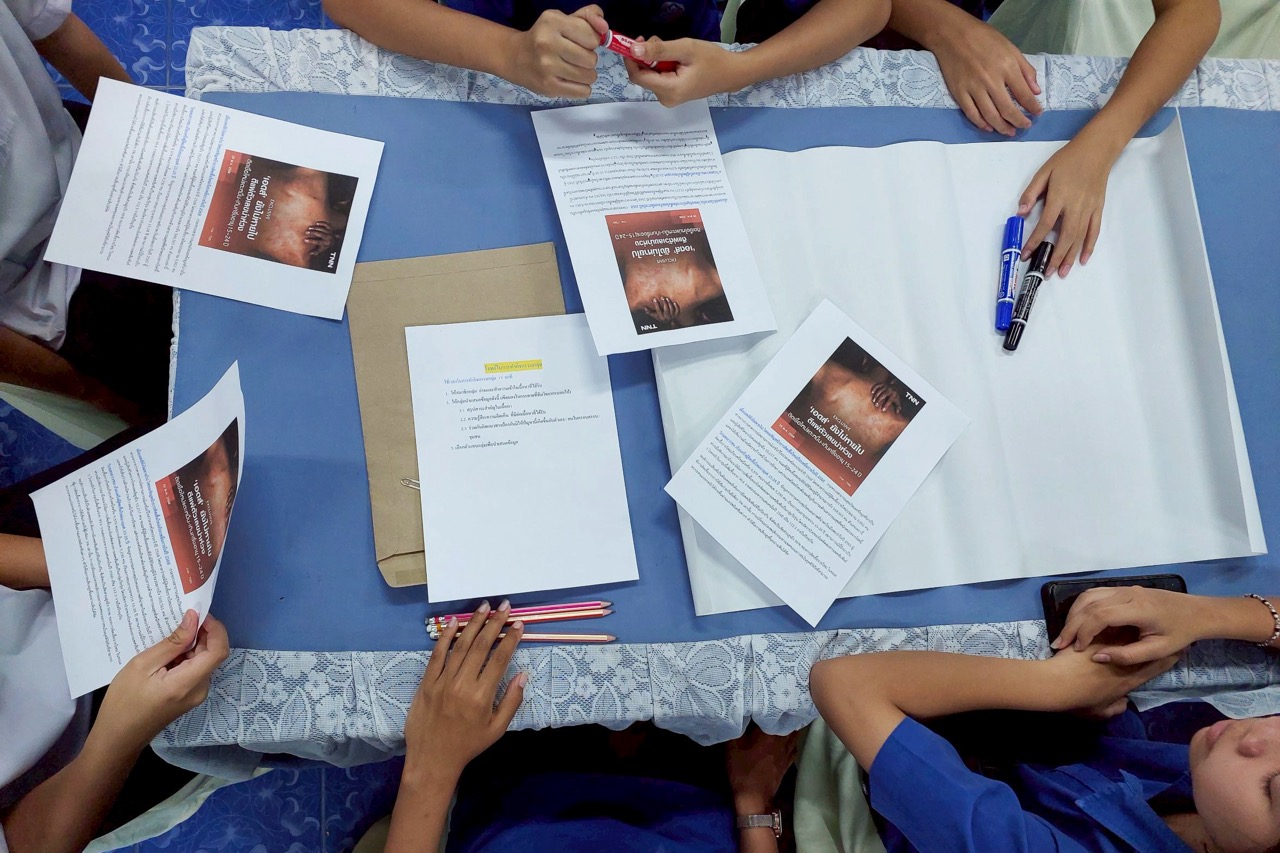
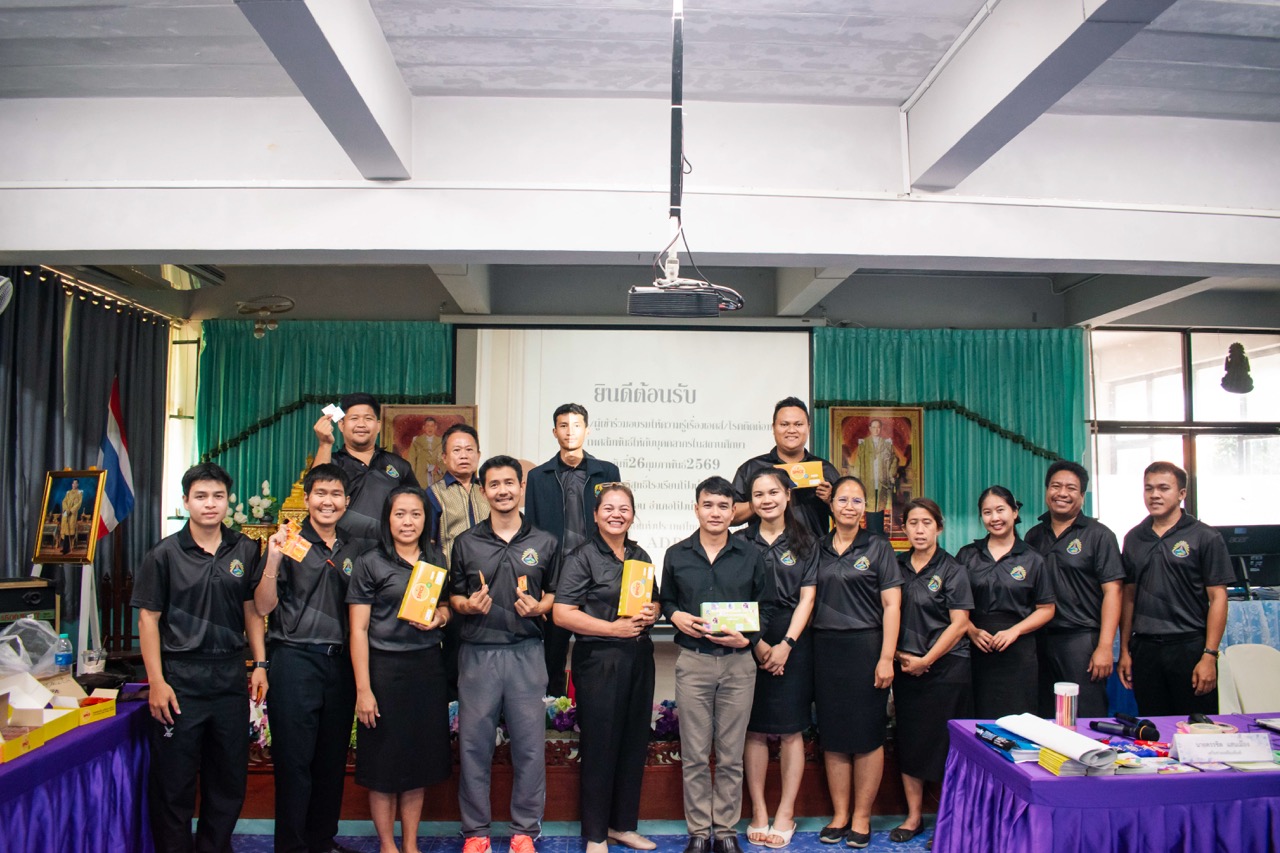
On 26–27 February 2026, training sessions and workshops were conducted in line with the project plan, with the participation of 50 educational personnel and 50 young people. World Vision Foundation of Thailand will continue to monitor progress and expand implementation across schools and communities.
World Vision Foundation of Thailand’s Chanthaburi and Trat Projects are committed to improving the overall quality of life for children, youth, and communities. We place strong emphasis on sexual health and adolescent reproductive health among young people through a range of initiatives, including promoting youth participation in local forums, developing youth leadership, campaigning to prevent teen moms, strengthening knowledge among parents, communities, and village health volunteers, organising family positive communication camps, and providing comprehensive life skills and sexuality education for children and young people.
These efforts reflect the role of World Vision Foundation of Thailand as a non-governmental organisation dedicated to creating safe environments for children and young people, enabling them to grow with well-being across physical, emotional, mental, and social dimensions. This aligns with the Sustainable Development Goals (SDGs), including good health and well-being (SDG 3), quality education (SDG 4), gender equality (SDG 5), and reducing inequalities (SDG 10) through our comprehensive development ministry to address the hardships faced by children, families, and communities.
We continue working in partnership with schools, communities, government agencies, and networks to create safe spaces and expand opportunities for children and youth to develop life skills and gain a proper understanding of sexual health, ultimately contributing to the sustainable reduction of STIs in the future.