When children are given opportunities to learn and take action, the change they create can reach far beyond the school gates
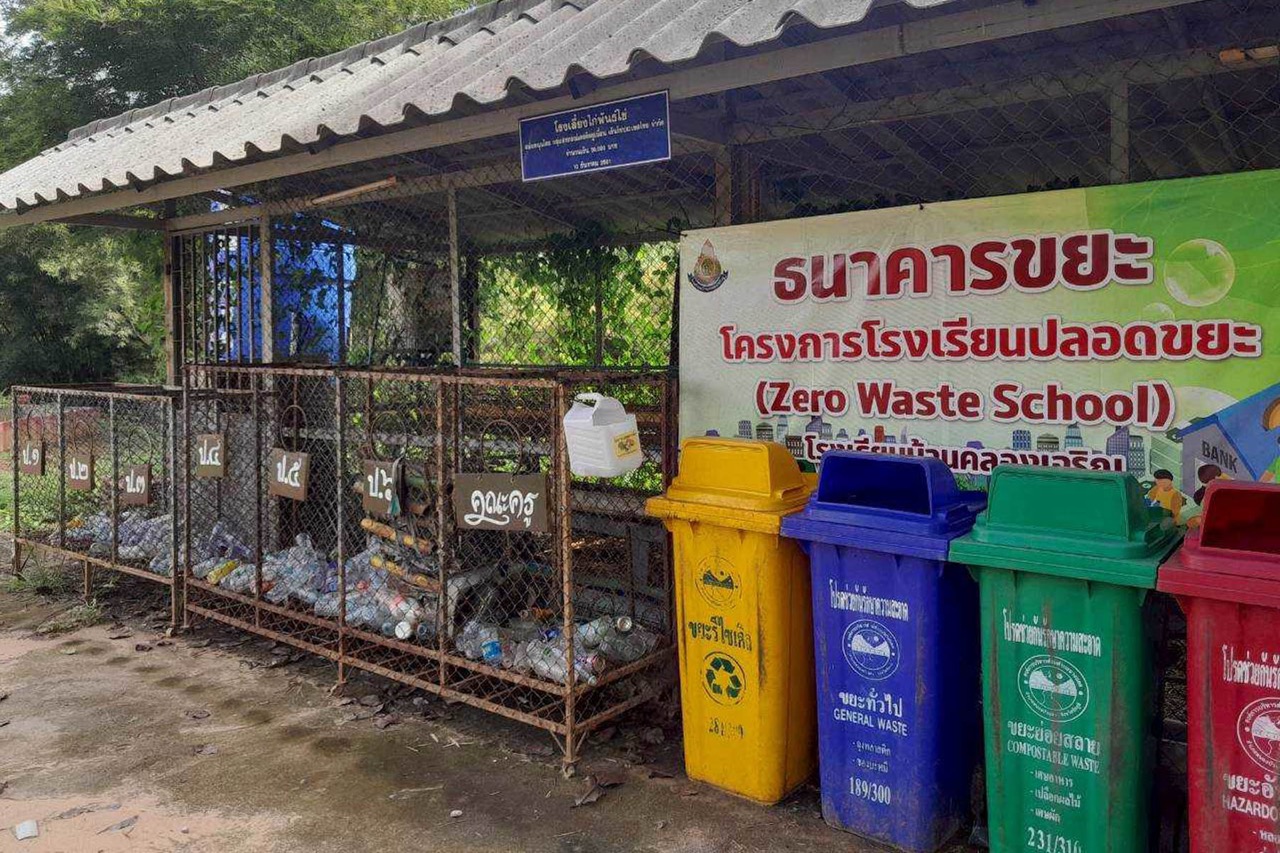
Over the years, World Vision Foundation of Thailand has supported child and community development alongside environmental care. One example that reflects concrete results is its support for a school in Nang Daet Subdistrict, Nong Bua Daeng District, Chaiyaphum Province, in developing a waste and environmental management system under the concept of Zero Waste School
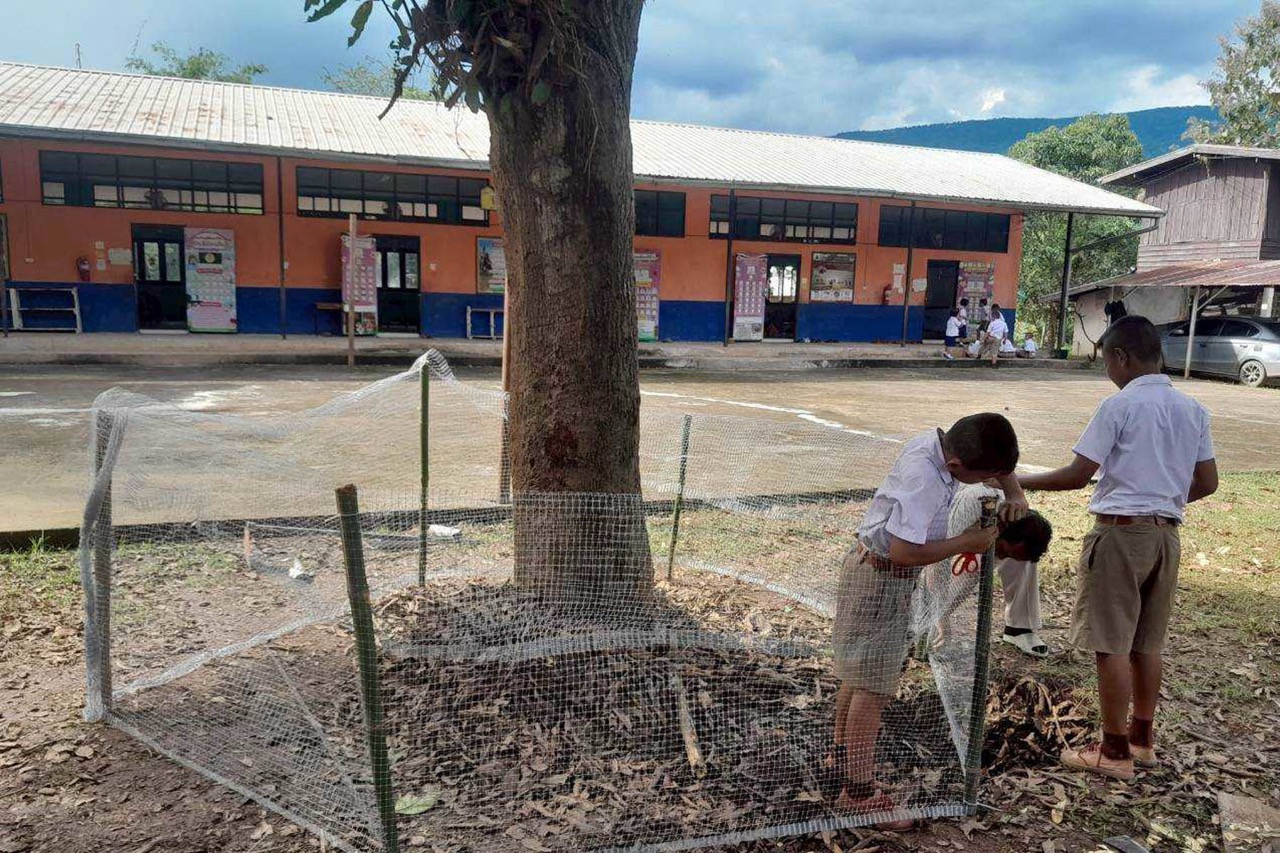
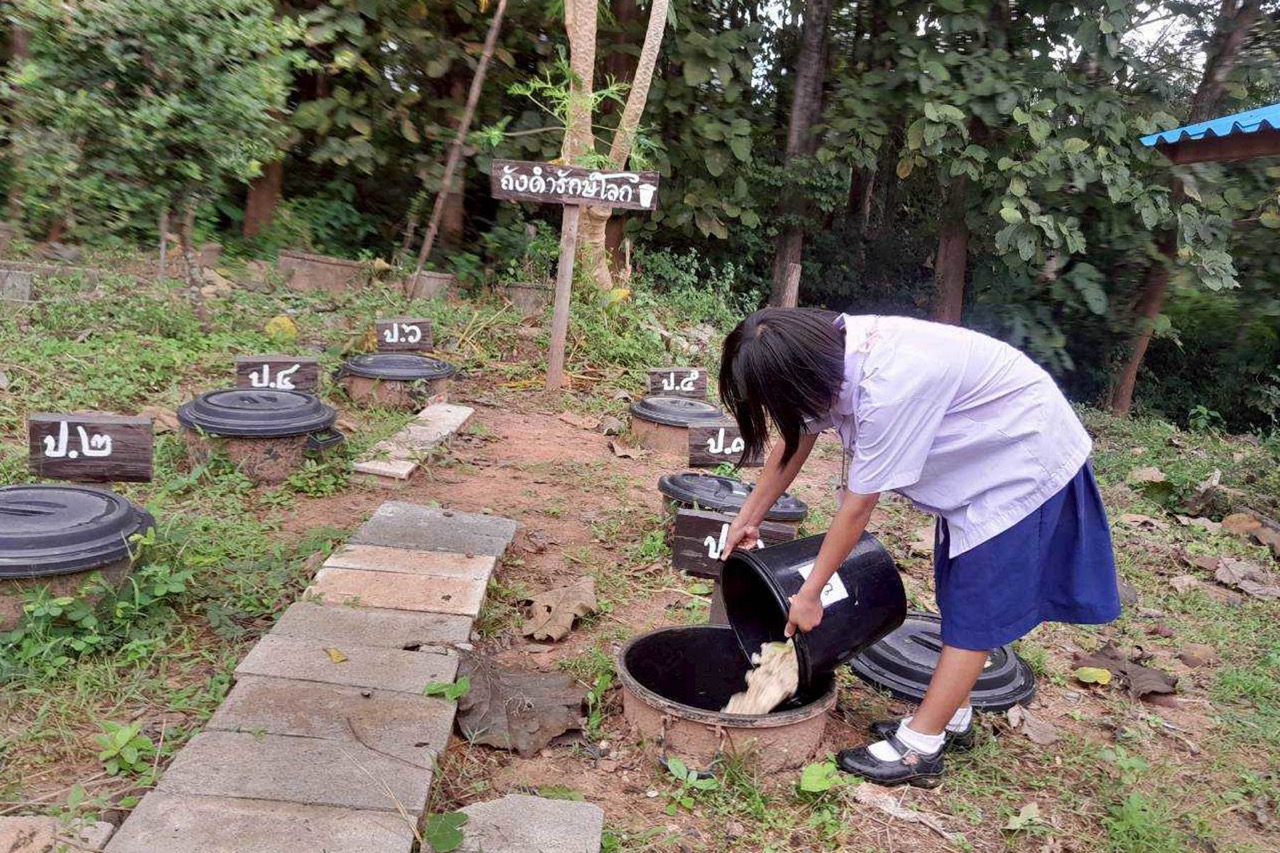
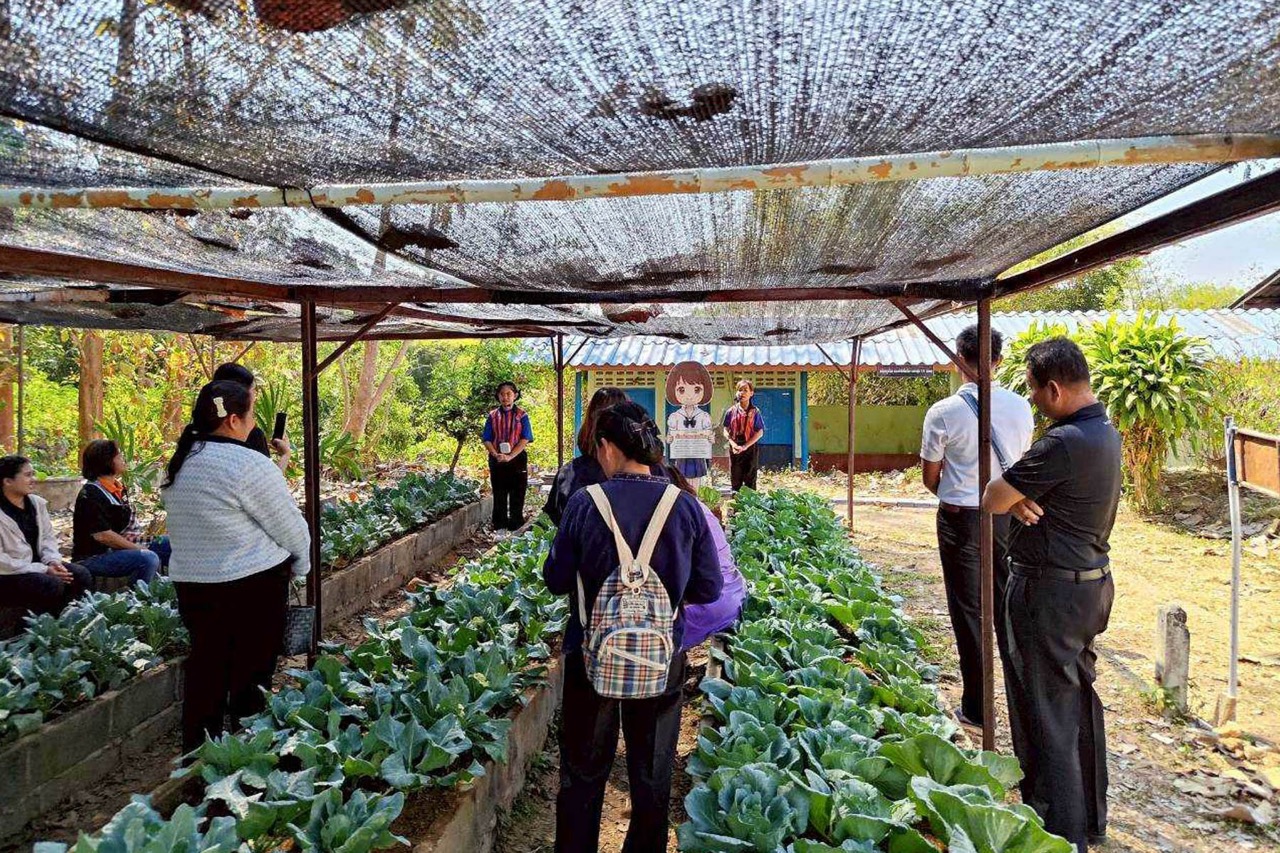
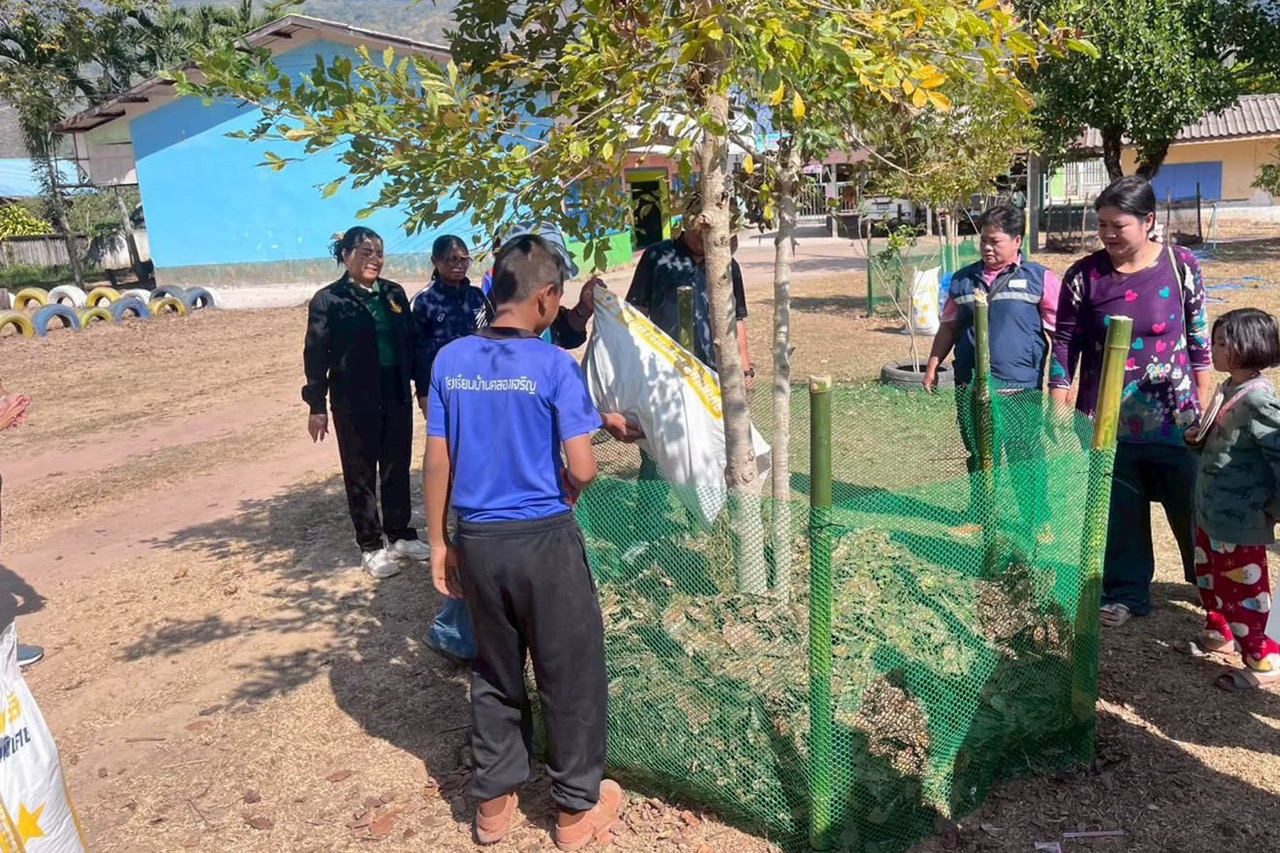
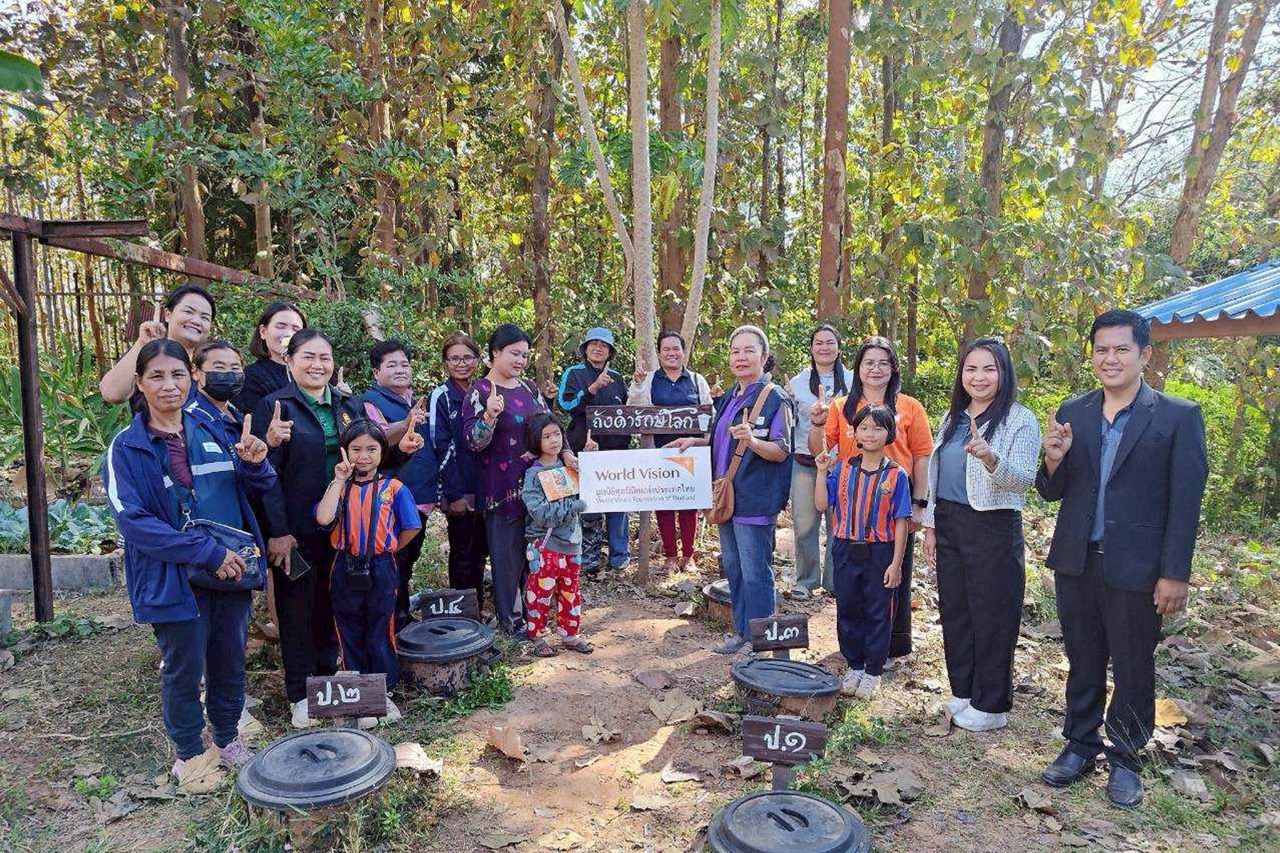
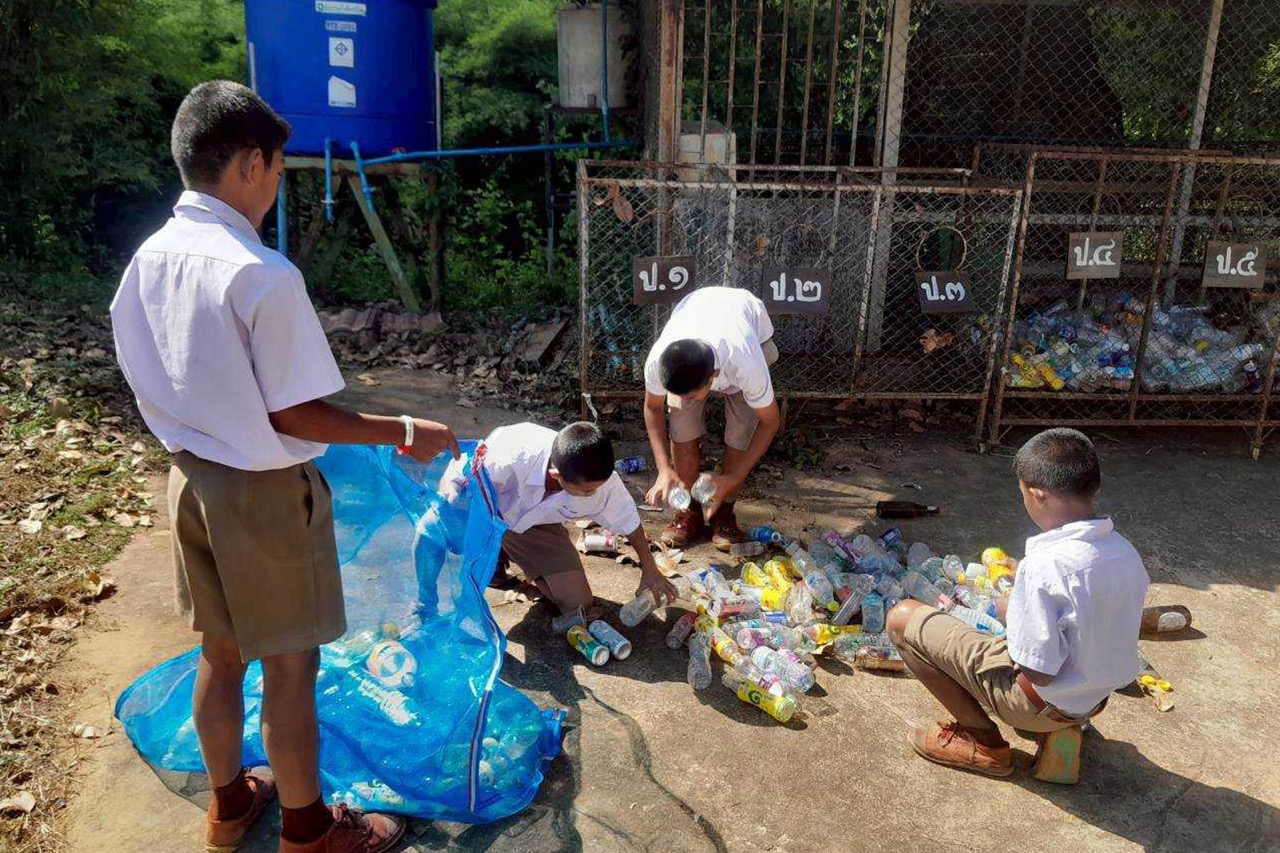
It began in 2025, when World Vision Foundation supported school in improving waste management within the schools, while also promoting learning from environmental model schools and providing the equipment needed for operations. As a result, the school was able to develop 10 environmental learning stations, covering waste sorting, recycling, composting, chemical-free vegetable growing, food waste management, greenhouse gas reduction, and wastewater management. What matters most is not merely having learning stations, but the change that has taken place among the children and the school.
Today, teachers and students have adapted their behavior until it has become part of daily life. The school is cleaner, more orderly, and has an environment more conducive to learning, while the burning of waste on school grounds has dropped by more than 80 percent, from previously having to dispose of waste by burning almost every day.
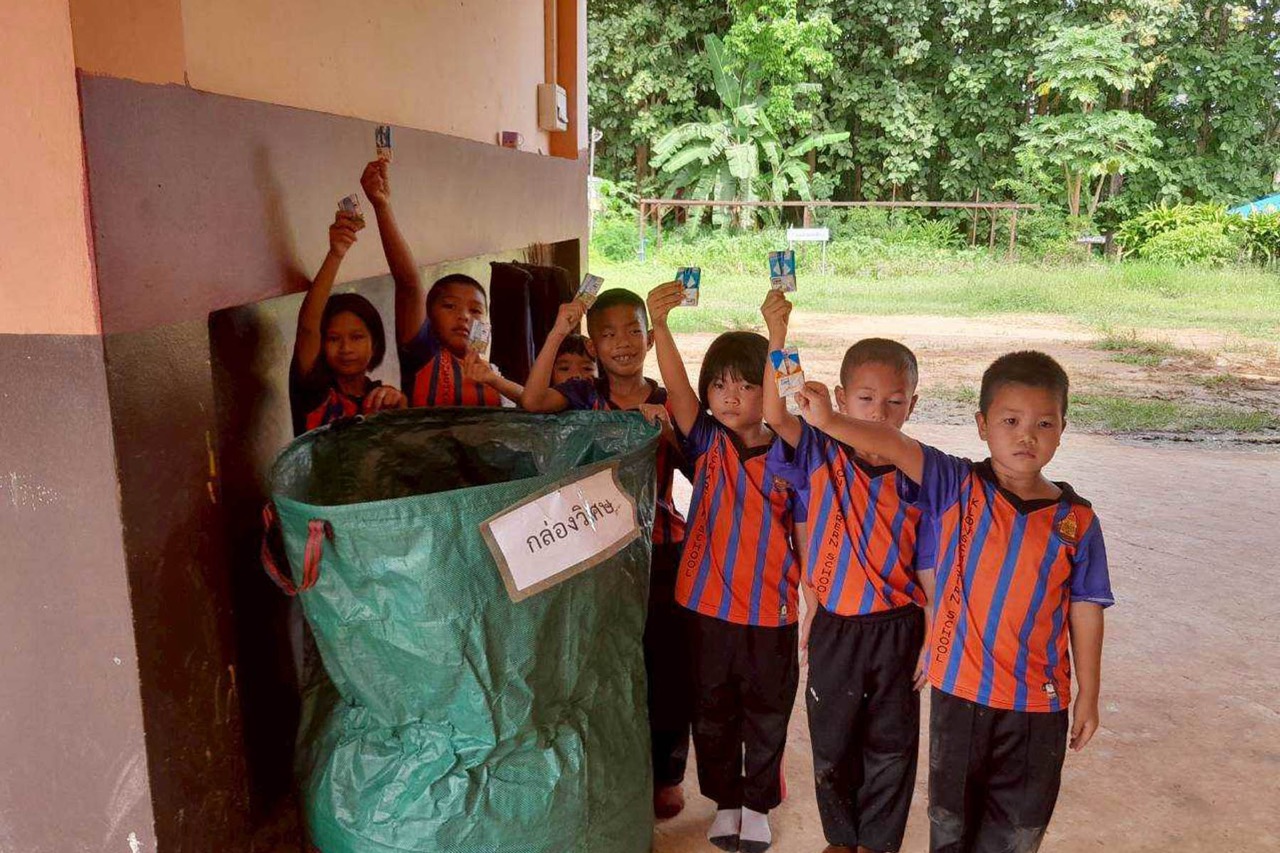
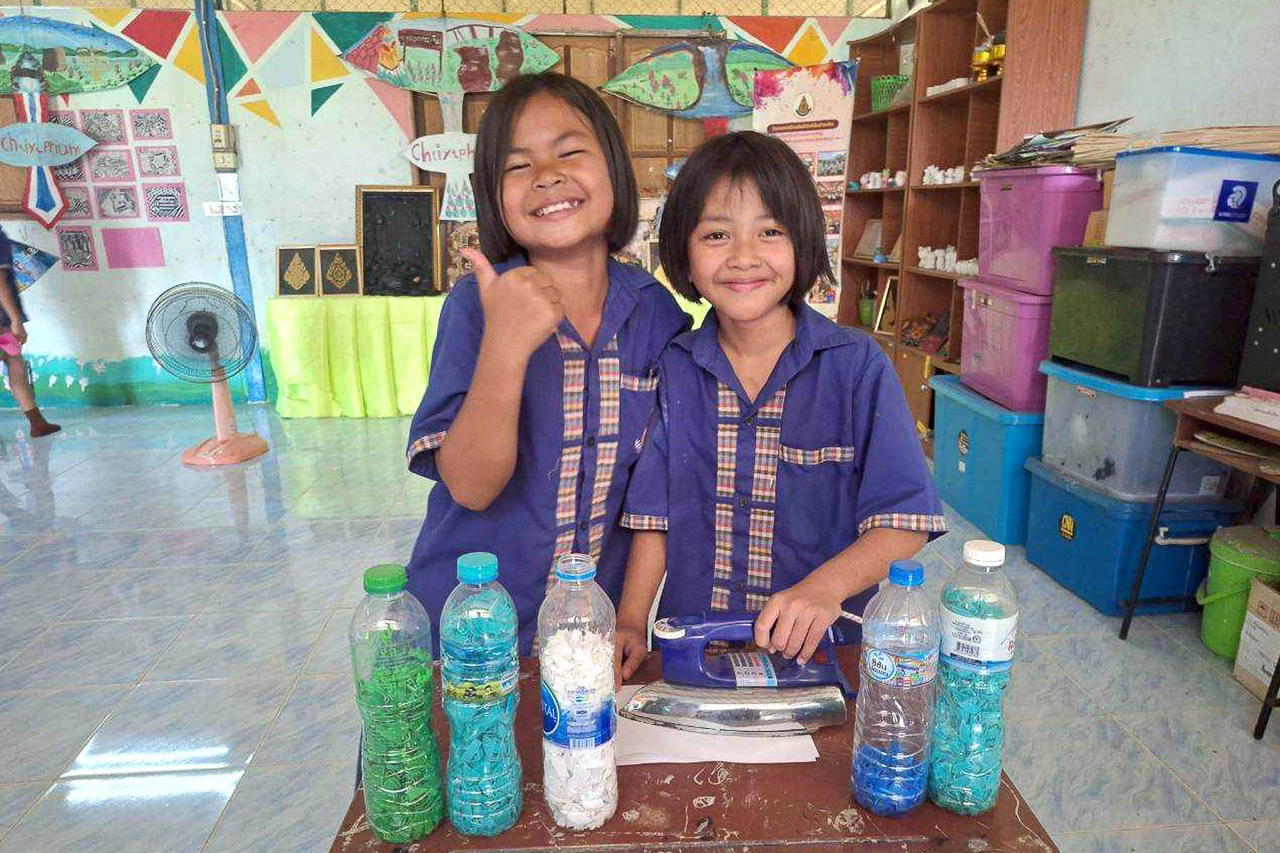
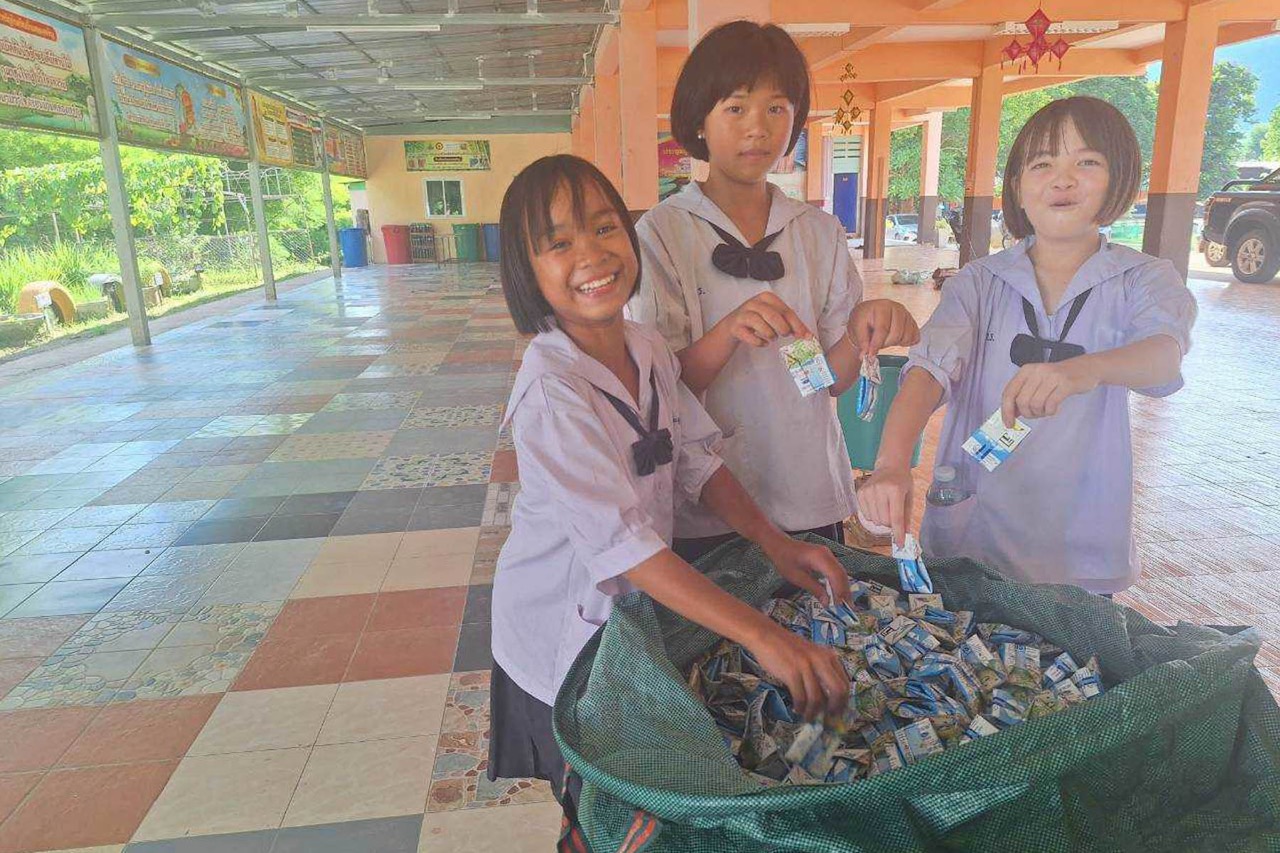
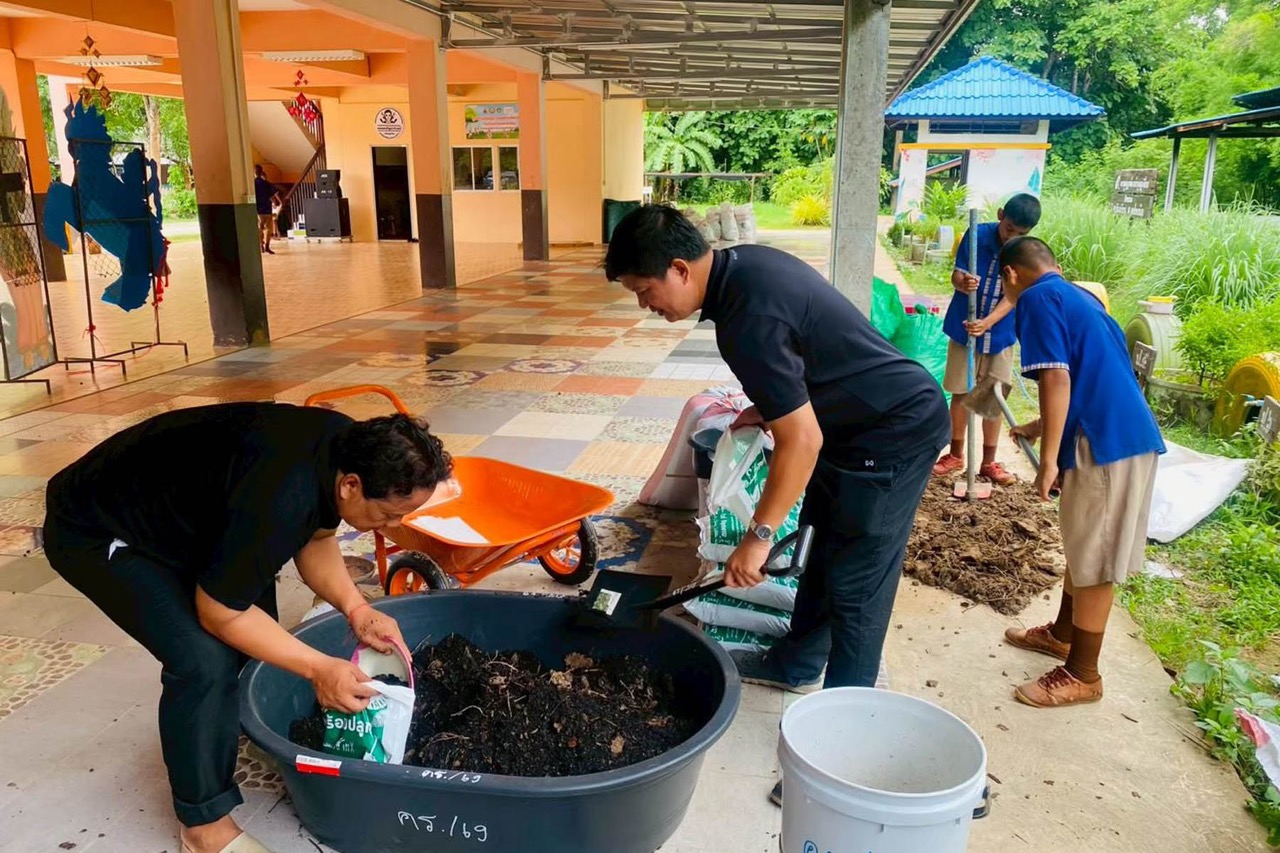
At the same time, students are developing life skills through hands-on practice, including waste sorting, composting, producing bio-extracts, growing chemical-free vegetables, creating products from reused materials, and serving as ‘Little Experts’ who share environmental knowledge with school visitors themselves.
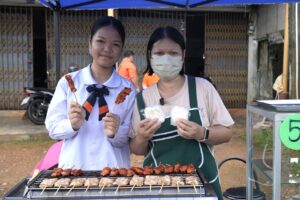
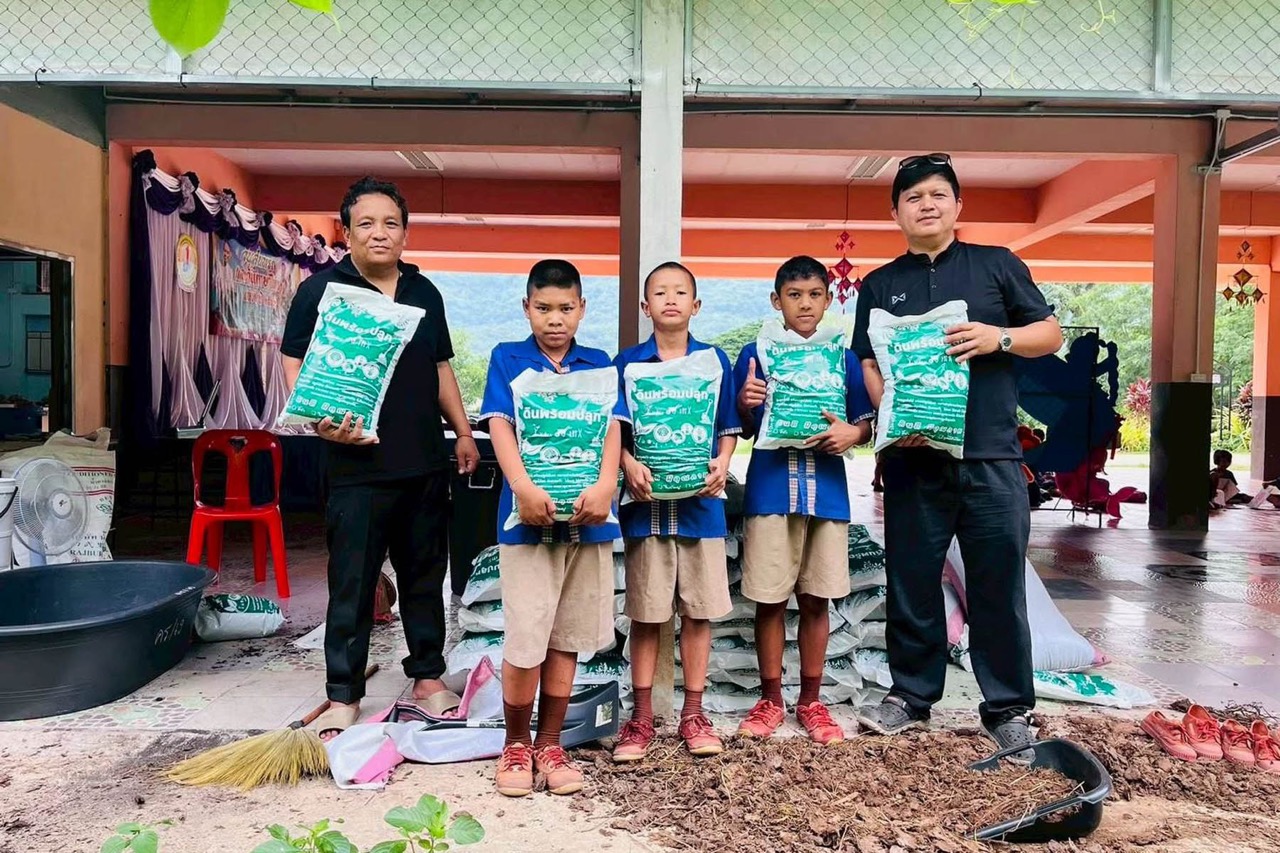
In addition, environmental activities generate income for the school and students through a waste bank, sales of recyclable materials, sales of compost, and the processing of reused materials into new products. The income is channeled back to support student activities and improve quality of life within the school.
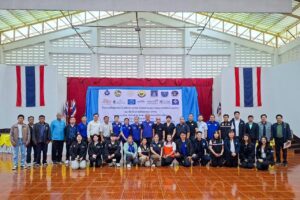
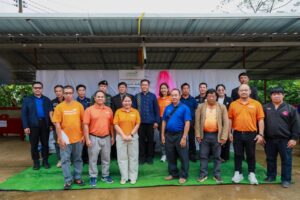
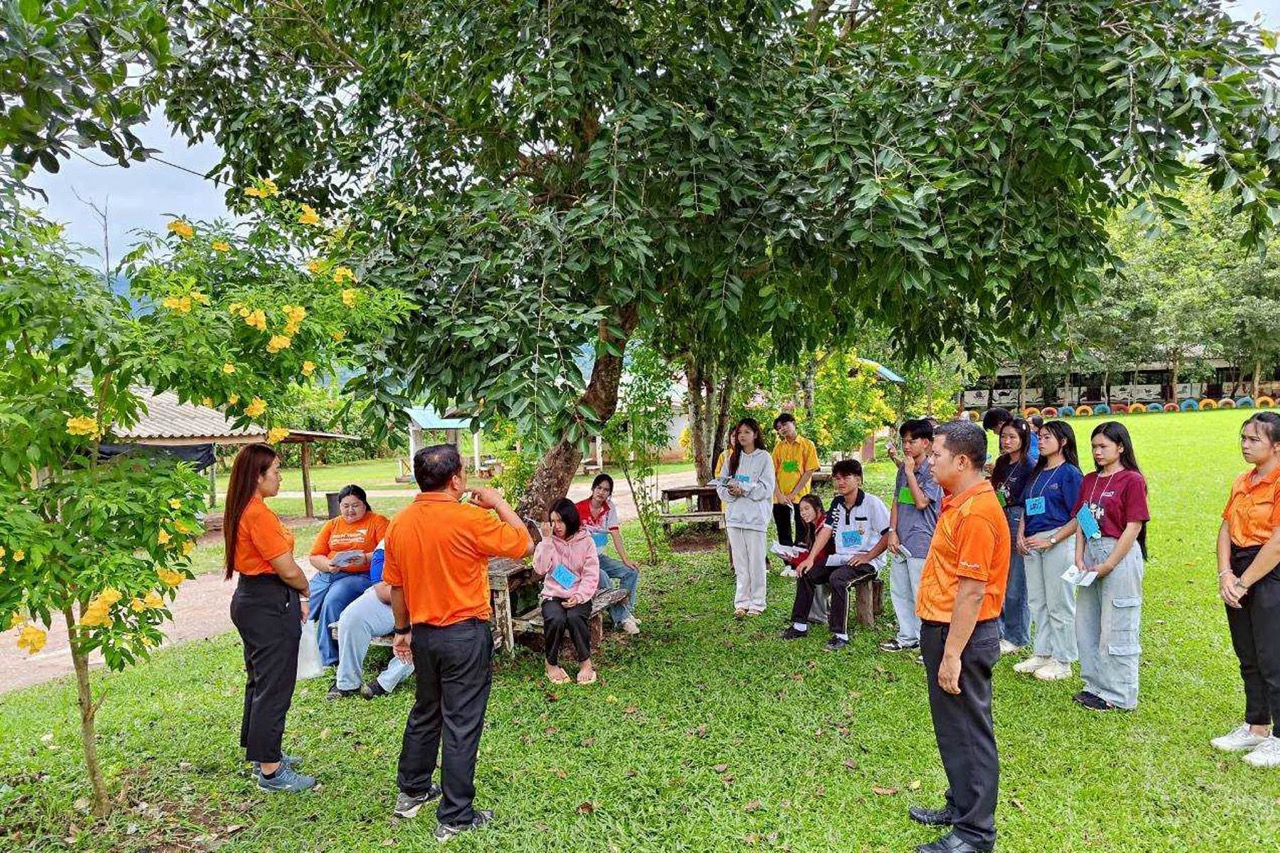
Following this success, in 2026 the school was developed into a Learning Center for Waste and Environmental Management to pass on knowledge to parents, youth leaders, volunteers, community leaders, as well as teachers and students from 14 other schools in Nang Daet and Wang Chomphu Subdistricts. This has led to the widespread expansion of the Zero Waste School concept to surrounding areas.
These results have also gained national recognition, as the school received the Silver Award in the Children and Youth Network Project on Climate Change and Environment (CCE Children & Youth) 2026 (B.E. 2569) from the Department of Climate Change and Environment, Ministry of Natural Resources and Environment.
Ms. Sirikhwan Sarakham, a World Vision Foundation of Thailand staff member in the Nong Bua Daeng area, Chaiyaphum Province, and driver of the Zero Waste School concept together with the school, said:
“Schools are important places for building knowledge, discipline, and environmental awareness in children from an early age, which will stay with them for life. They are also the center of the community. When children begin to change, parents and community members are ready to adapt as well, in order to create a good environment for their children.
The most visible result is that the children share responsibility for the waste they produce. Waste burning has been reduced from every day to only once a week, and income from waste management can be used to create special activities, such as special meals on Children’s Day and New Year’s Day, creating both pride and motivation to care for the environment.
In the future, we aim to develop the school into a community environmental learning center and extend the waste management concept to surrounding communities, so that we can build discipline and environmental awareness together sustainably.”
This reflects that the change does not stop at the school, but continues on to the creation of youth environmental leaders in the community. World Vision Thailand youth leaders from Nong Bua Daeng, who have learned about waste management and environmental care, have stepped onto regional and national stages by taking part in the Youth Forum for Climate Actions 2026 and the Youth Learning Event: Climate Actions 2026. In addition, an environmental project of theirs has been selected to present at the national level.
In 2027, the project’s results continue to expand. The local elderly club plans to come and learn about waste and environmental management to apply at the household level, showing that knowledge that began in the school has become a mechanism for creating change for the entire community.
World Vision Foundation of Thailand believes that investing in children is investing in the future. When children are given opportunities to learn, take action, and develop their own potential, they will grow into an important force in caring for their communities and the environment, and in helping build a sustainable society.