Trafficking in persons remains one of the most challenging global crimes, deeply affecting the lives, safety, and dignity of countless individuals. It is not a random occurrence but a systematically organised crime involving multiple actors—from recruiters and brokers to transporters and exploiters. Affected people are often those in vulnerable situations, such as undocumented individuals, those lacking awareness of their rights, or stateless persons, who are deceived or coerced into inescapable circumstances.
In Thailand, trafficking in persons is a complex issue closely tied to economic, social, political, and migration factors. Addressing it requires collaboration across all sectors and a systemic approach encompassing prevention, law enforcement, and protection.
Migration: A Key Channel Linked to Human Trafficking Risks
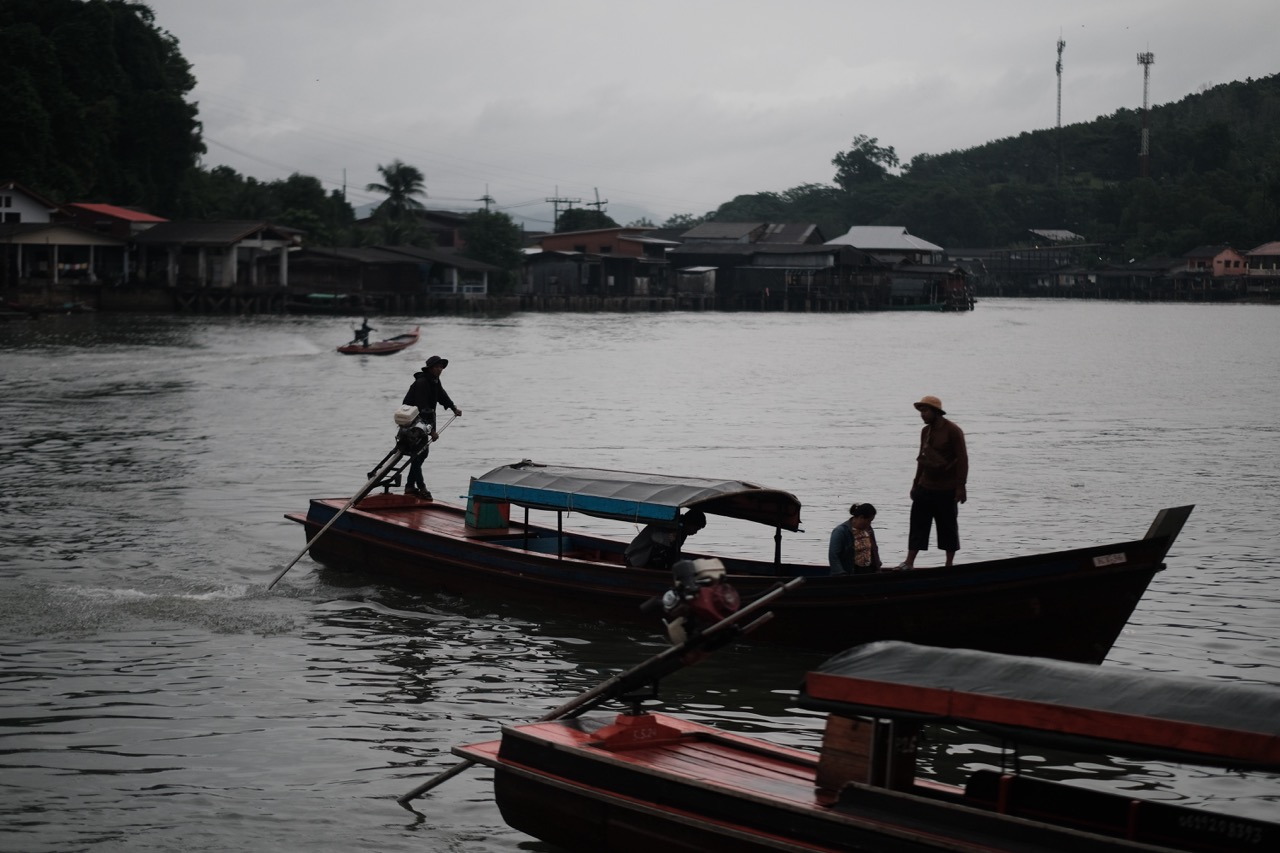
Migration, both domestic and international, is a significant factor that places many individuals in vulnerable positions, particularly in cases of irregular migration. These migrants often lack access to basic rights and are exposed to exploitation. The five main drivers of migration include:
· Political: Conflict, unrest, or civil war forcing people to flee for safety
· Environmental/Climate Change: Natural disasters and global warming making original habitats uninhabitable
· Economic: Poverty, lack of job opportunities, or insufficient income
· Demographic: Population growth in certain areas leading to resource scarcity
· Social/Cultural: Migration for family reunification or to escape discrimination based on gender, race, or religion
Understanding these factors is crucial for designing effective anti-trafficking policies, especially for those at high risk due to unsafe migration.
Statelessness: The Root of Vulnerabilities and Exploitation Risks
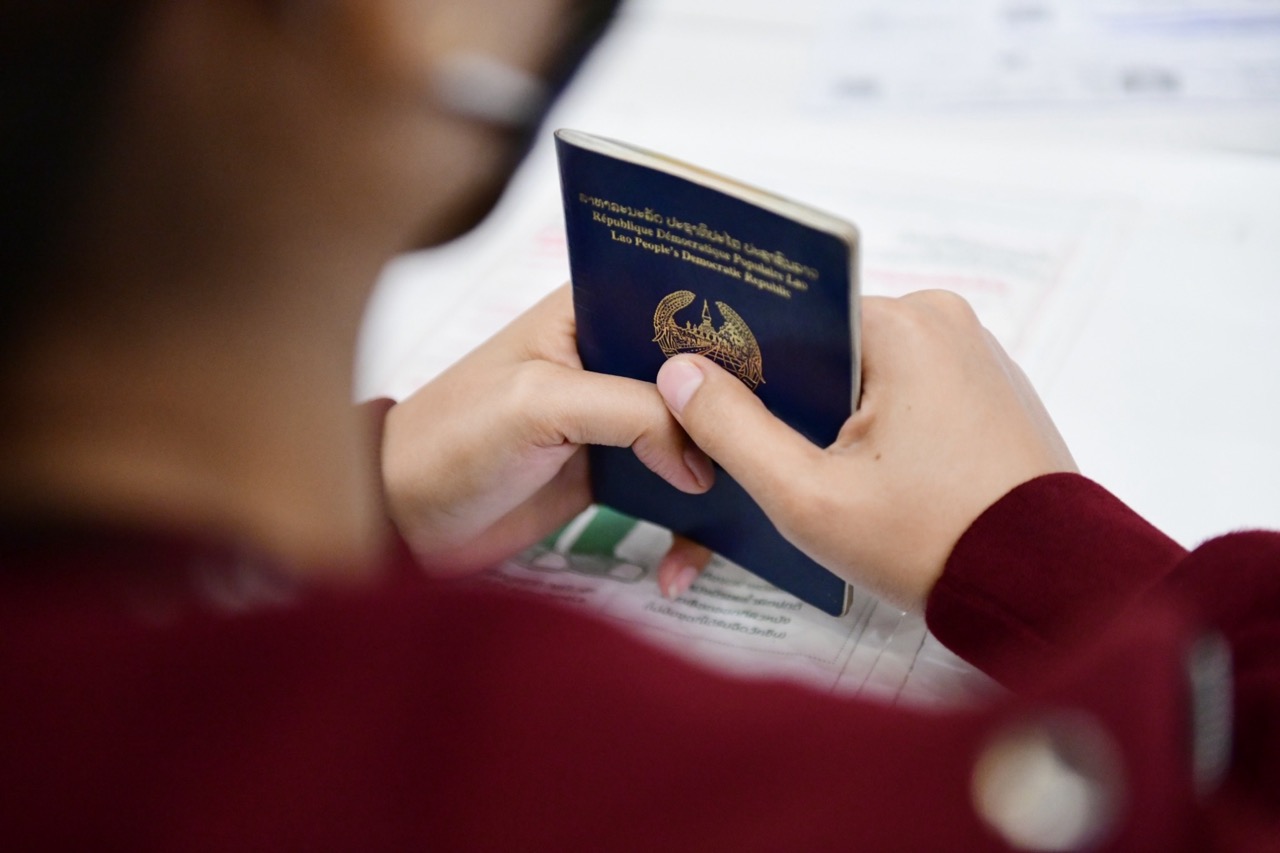
Statelessness refers to individuals not recognised as nationals by any country, denying them access to basic legal rights such as travel, education, employment, healthcare, or legal protection. This makes them highly vulnerable to human trafficking.
Trafficking networks exploit legal loopholes, ignorance, and multidimensional vulnerabilities, especially among those without legal status, through forced labour, sexual exploitation, child labour, forced begging, or smuggling for criminal networks.
Therefore, preventing trafficking must prioritise safe migration management along with awareness-building and promoting comprehensive and sustainable access to basic rights for migrants. It also involves resolving legal status issues, promoting stateless registration, and building inclusive social protection systems to ensure equal rights and dignity for all.
World Vision Thailand’s Efforts to Prevent Human Trafficking Among Vulnerable Groups
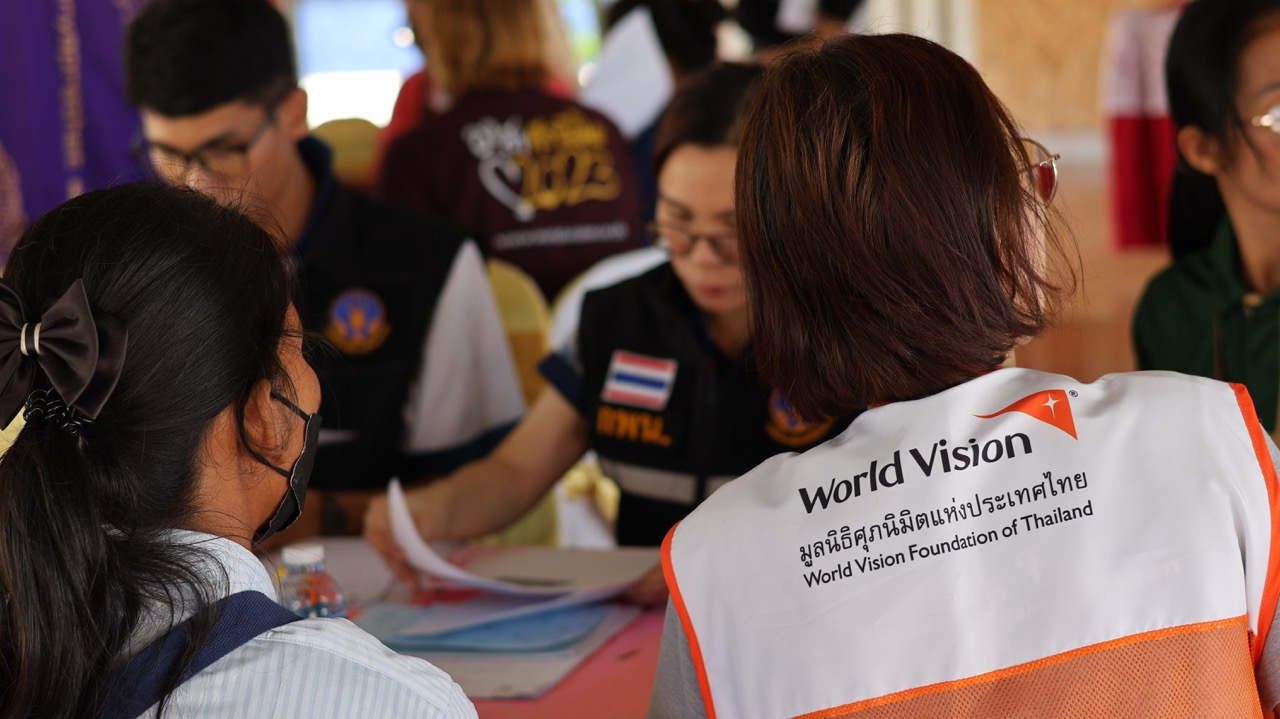
Since 2002, World Vision Thailand, as a civil society organisation, has implemented anti-human trafficking initiatives to prevent and reduce risks for vulnerable groups through three main strategies:
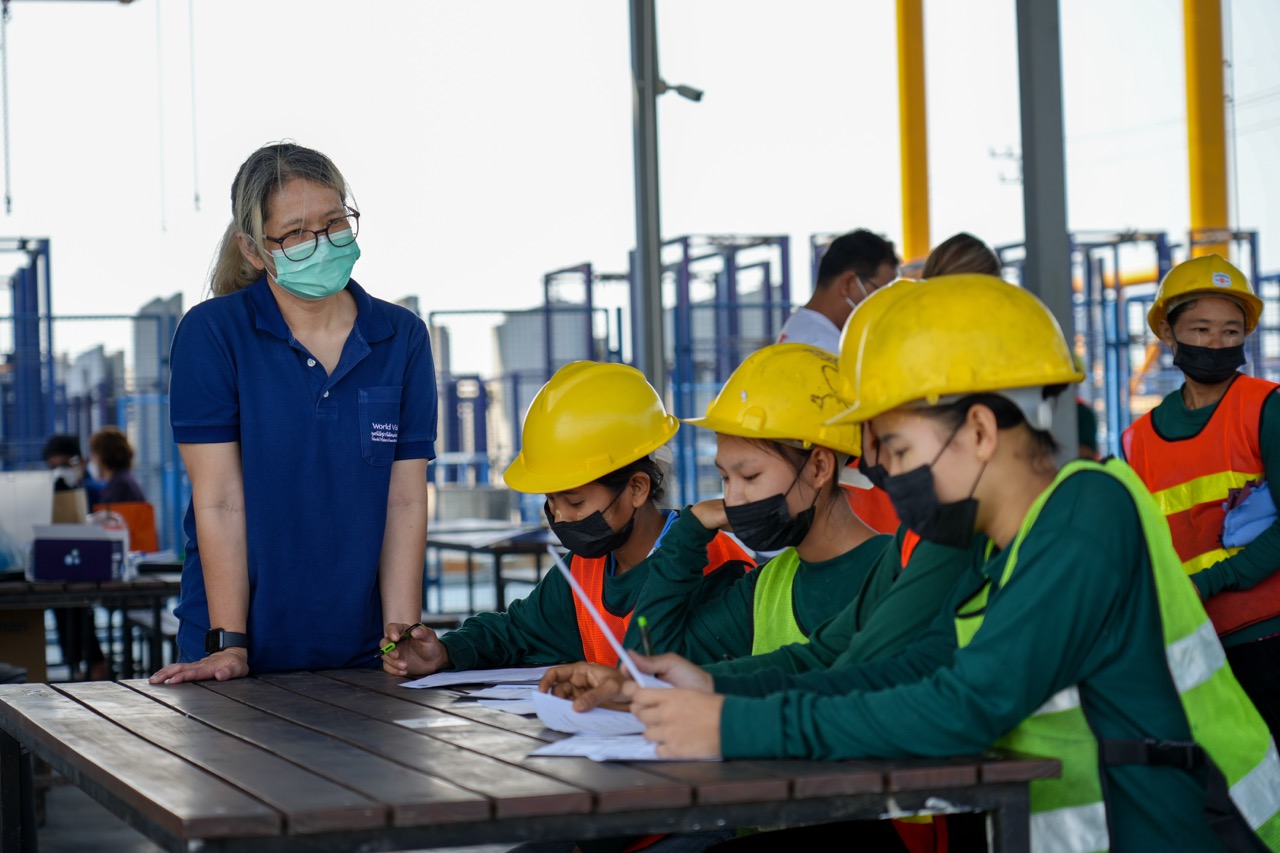
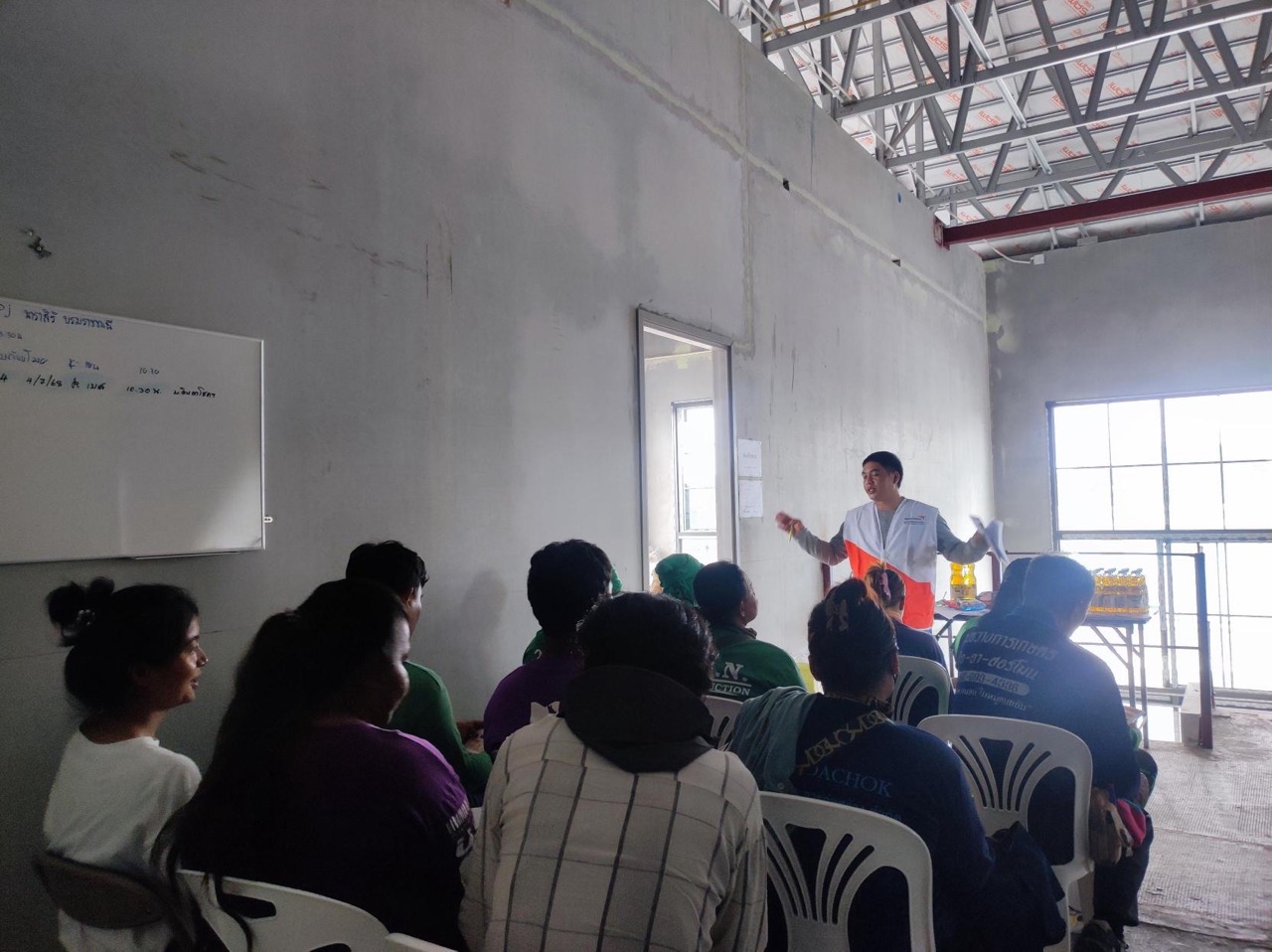
· Raising Awareness on Labour Rights: Conducting training for migrant workers, families, and employers on basic rights such as legal employment, child rights, gender-based violence, health coverage, and family planning. It also promotes awareness of support channels for those facing gender-based violence, exploitation, or trafficking.
· Developing Multi-level Partnerships: Collaborating with government, civil society, private sector, and international organisations to improve incident reporting, referral, and protection systems and advocating for relevant policies and laws.
· Legal Status Development for Stateless Children and Youth: Supporting access to legal status processes so children and youth can obtain legal recognition and access basic rights such as travel, education, employment, and healthcare.
World Vision Thailand’s efforts align with the UN’s 2025 World Day Against Trafficking in Persons theme “Human trafficking is Organized Crime – End the Exploitation.” Our role extends beyond individual support to driving policy and systems that enable the prevention of all forms of exploitation. In 2025, we continue our ministry in ending trafficking in persons, promoting decent work and protecting children and women affected by migration through the following key initiatives:
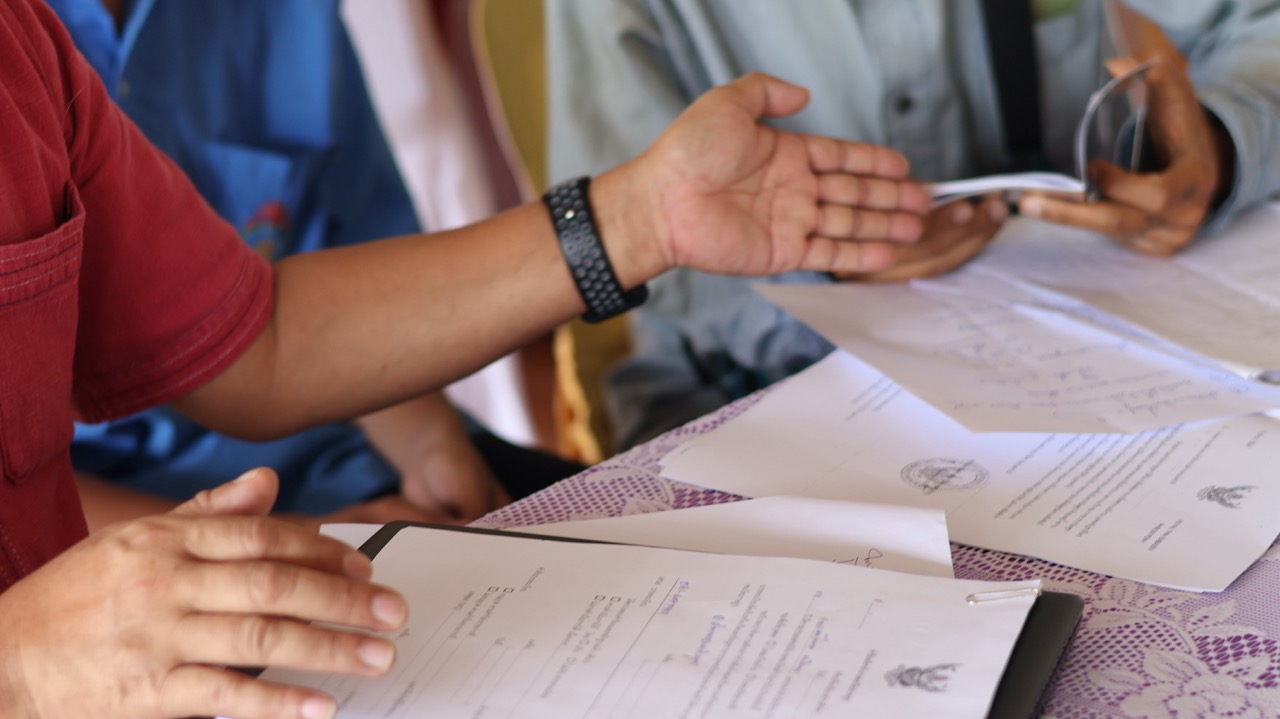
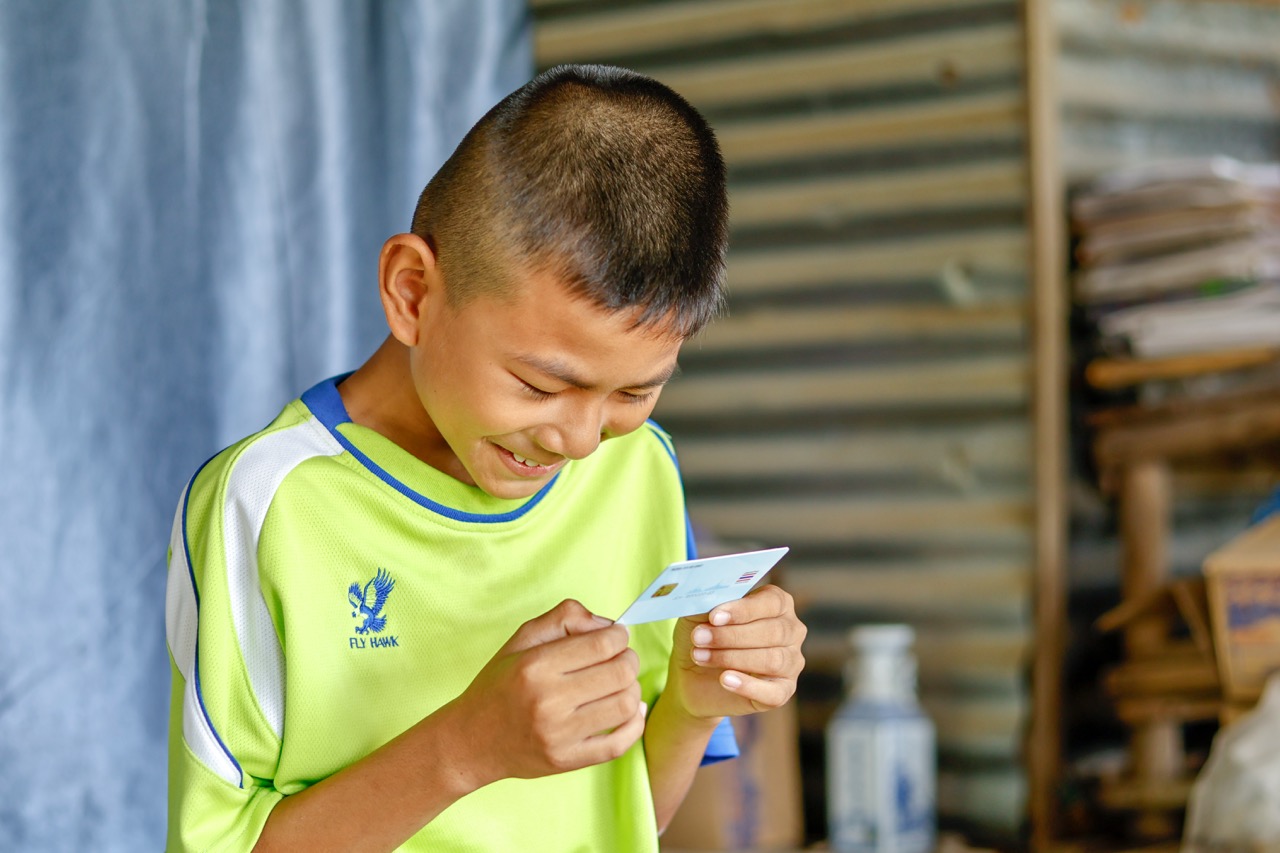
· Legal Status and Rights Development for Stateless Children and Youth Project: Extending the operation to cover three provinces: Chiang Mai, Mae Hong Son and Sa Kaeo, this project helps “G-code” students obtain 13-digit ID numbers through mobile civil registration units and legal counselling. It emphasises tangible collaboration with volunteers, parents, and officials to overcome travel barriers in remote areas. The project empowers stateless youth to have equal access to their rights and reach their fullest potential. It also aims to drive legal status development for the target group, supporting the Cabinet resolution of October 29, 2024, on addressing legal status problems.
· Strengthening Accountability for Employing and Recruiting Migrant Workers in Thailand Project: Implemented in six provinces: Bangkok, Samut Prakan, Nonthaburi, Pathum Thani, Nakhon Pathom, and Chonburi, with support from the International Labour Organization (ILO) and the European Union (EU) since June 2025. This project aims to protect migrant women and families from violence and labour rights violations. It is part of the regional ‘PROTECT’ initiative, which promotes decent work and reduces vulnerabilities among women and children in Southeast Asia’s migration context.