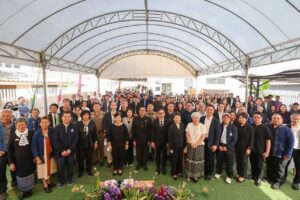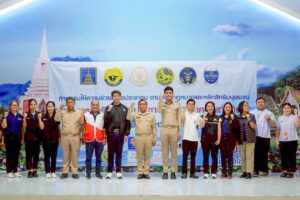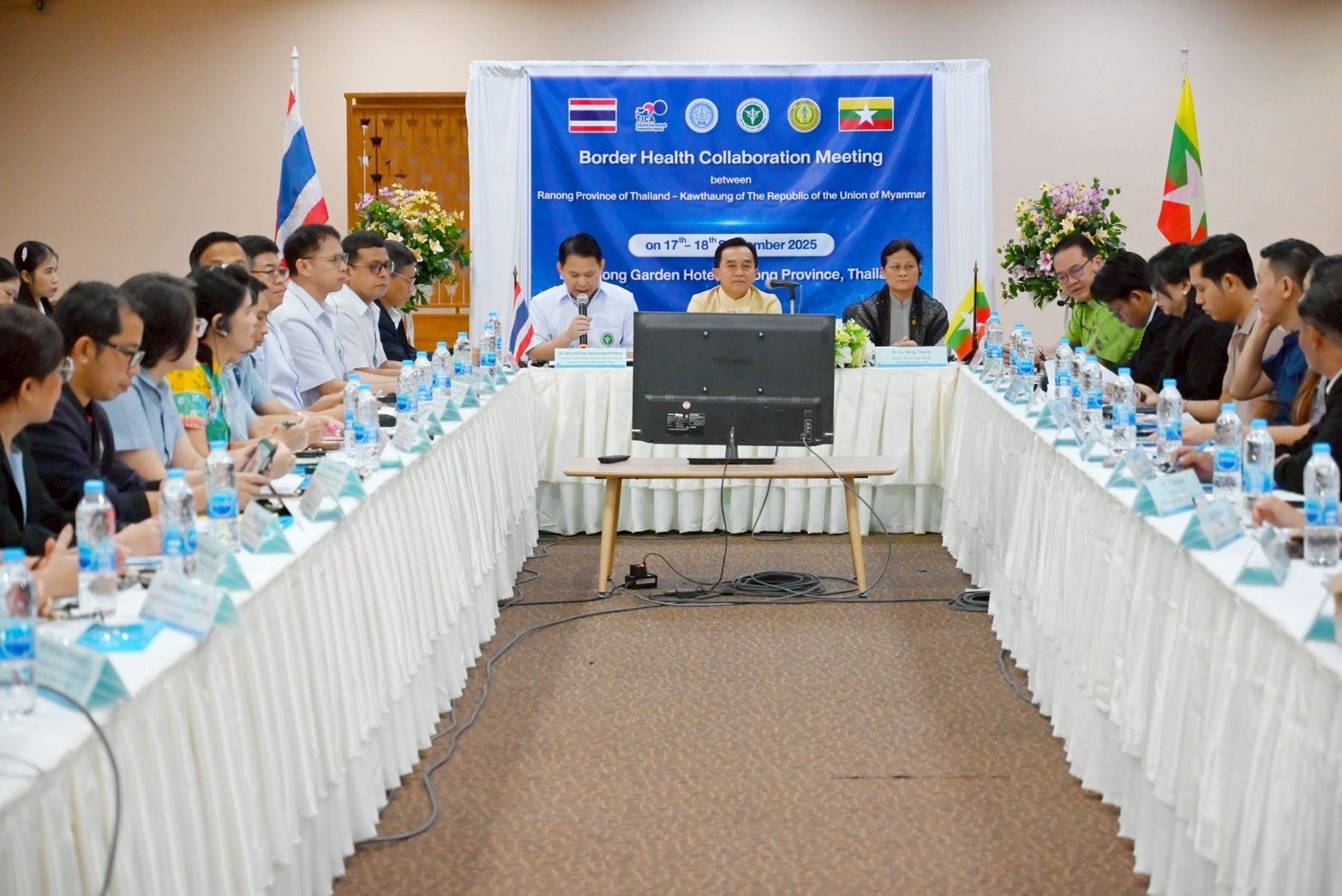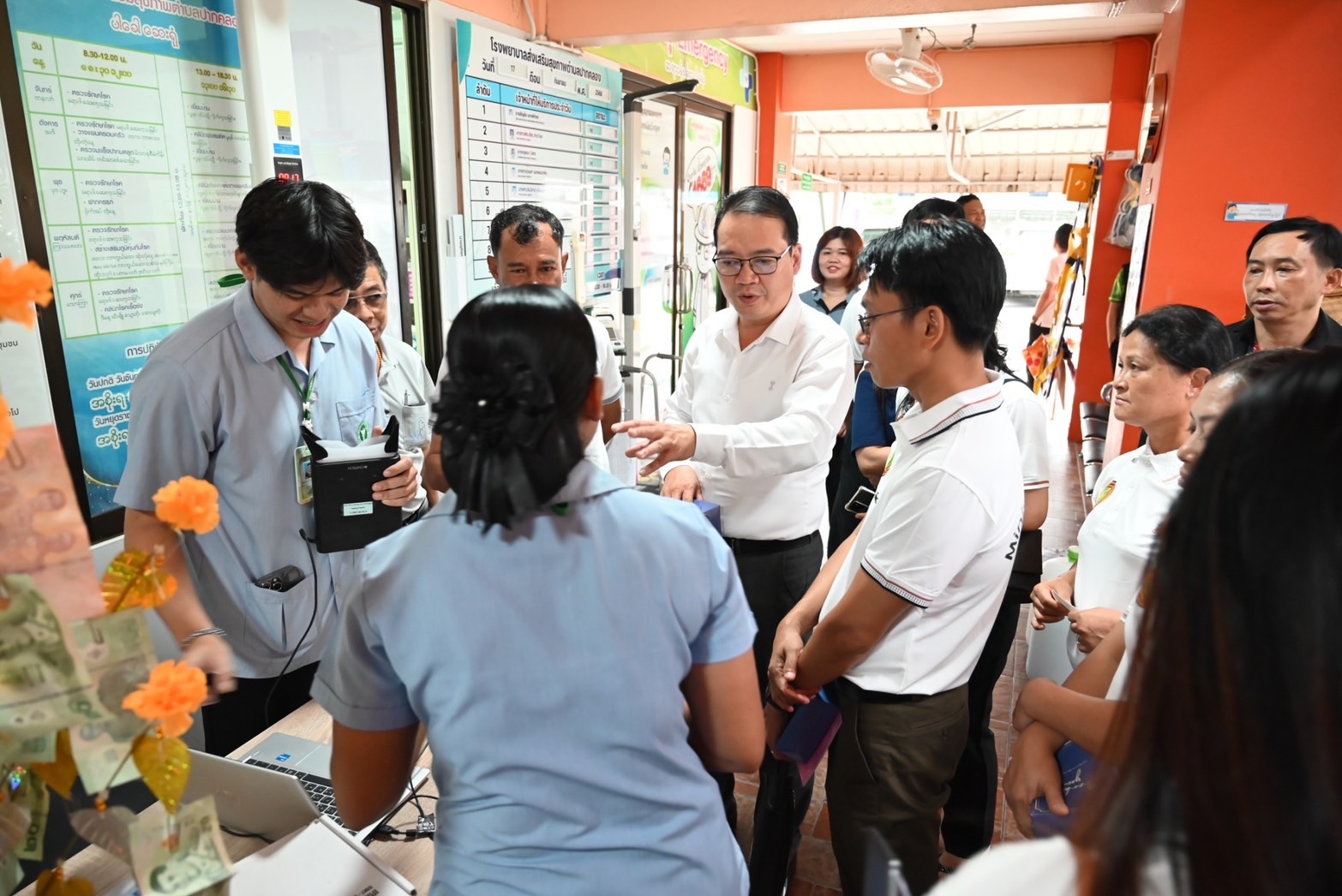
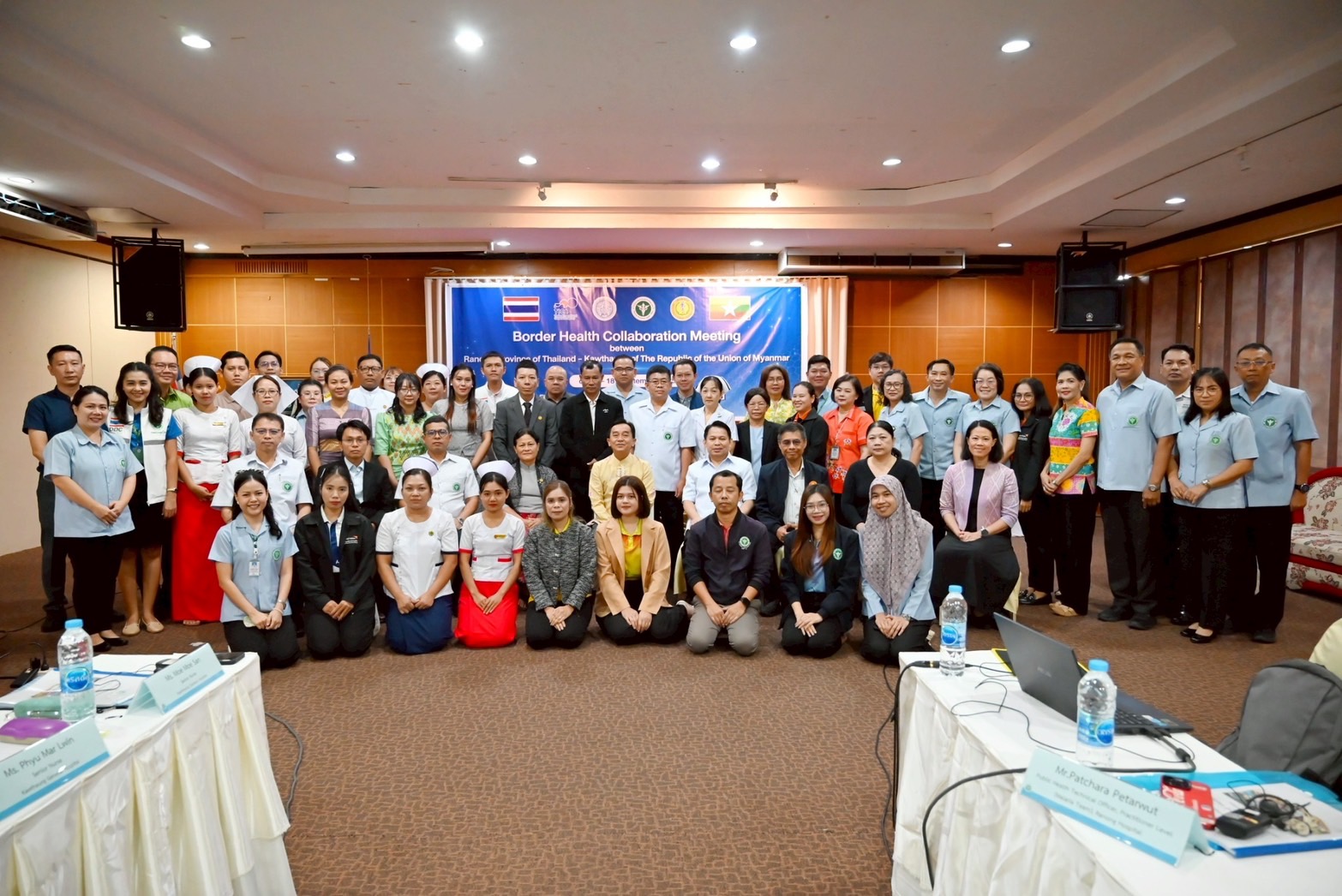
Between 17–18 September 2025, World Vision Foundation of Thailand participated in the Border Health Collaboration Meeting between Ranong Province of Thailand and Kawthaung of the Republic of the Union of Myanmar. The meeting was presided over by Mr Supot Phutikiatkajorn, Governor of Ranong Province, who welcomed participants from both countries. Over 60 representatives from government and civil society sectors attended the meeting. Dr Naratep Asavapachara, Ranong Provincial Public Health Medical Doctor, and Dr G Sen Taung, Director of Tanintharyi Regional Public Health Department, the Republic of the Union of Myanmar, co-chaired the meeting to exchange information and explore collaborative approaches for the sustainable development of healthcare systems for populations in border areas.
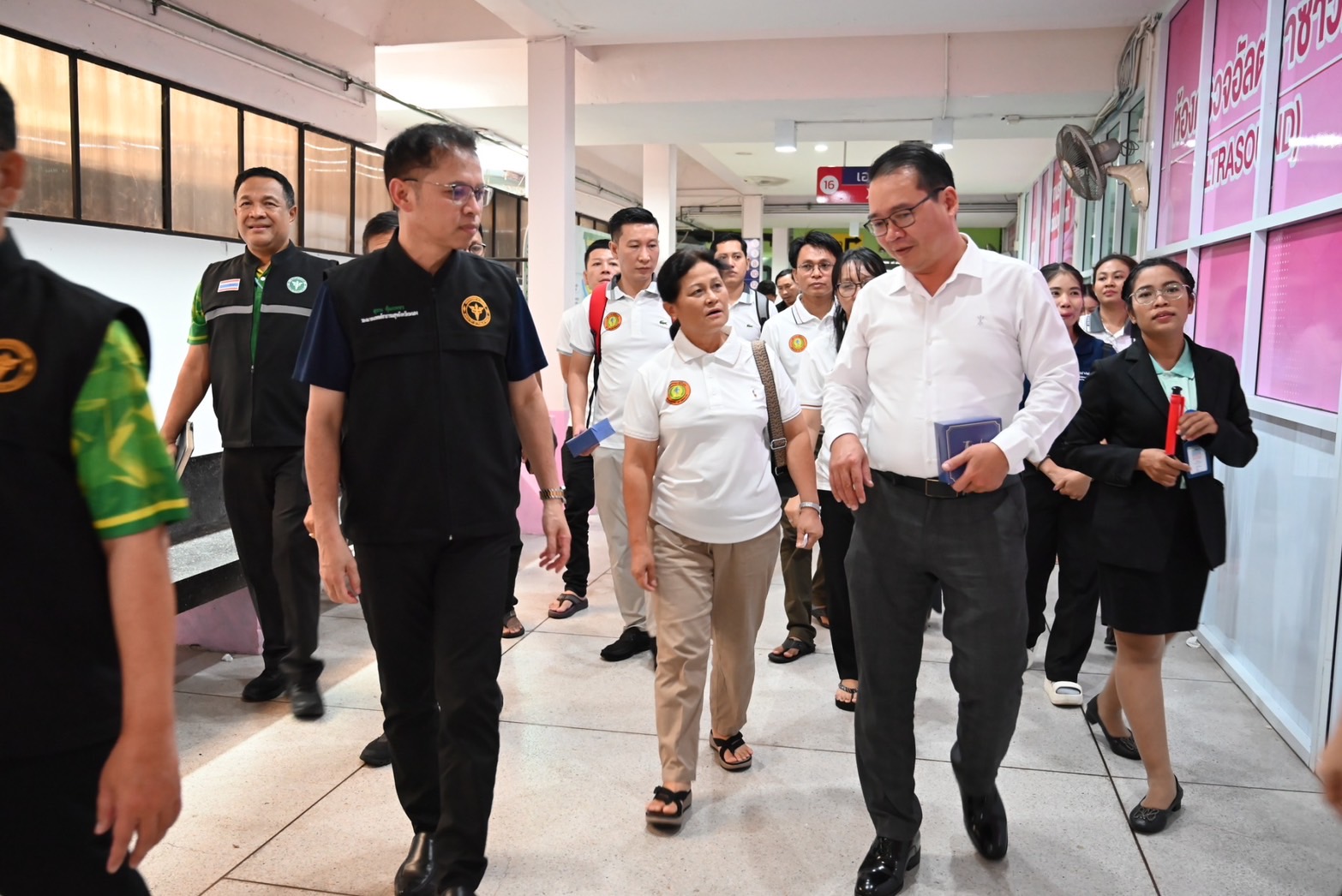
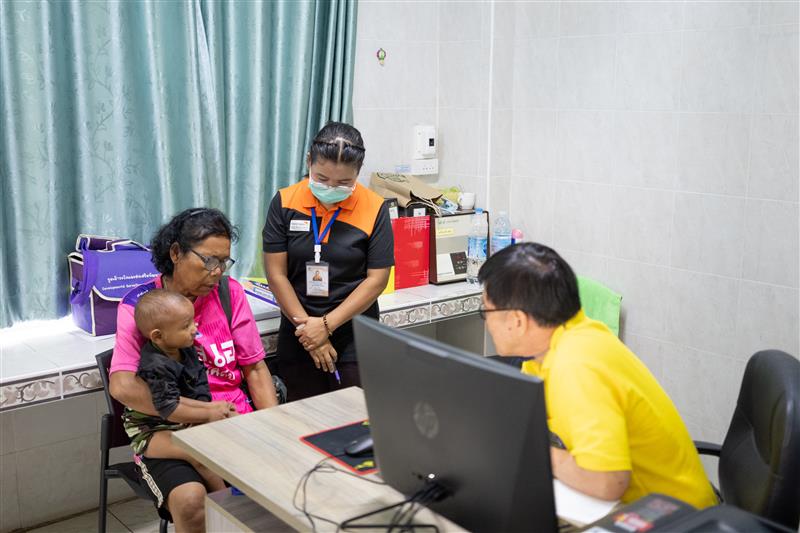
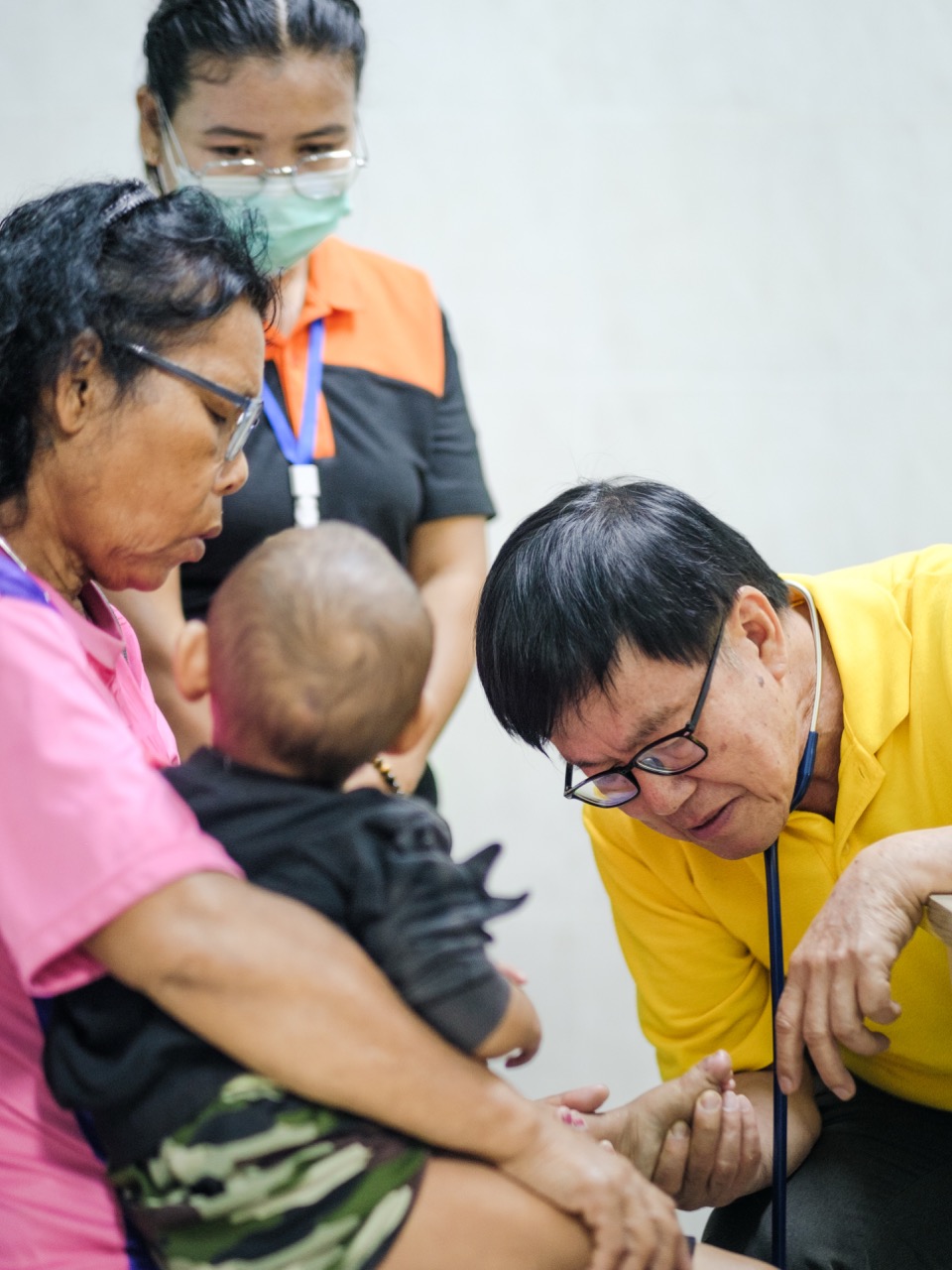
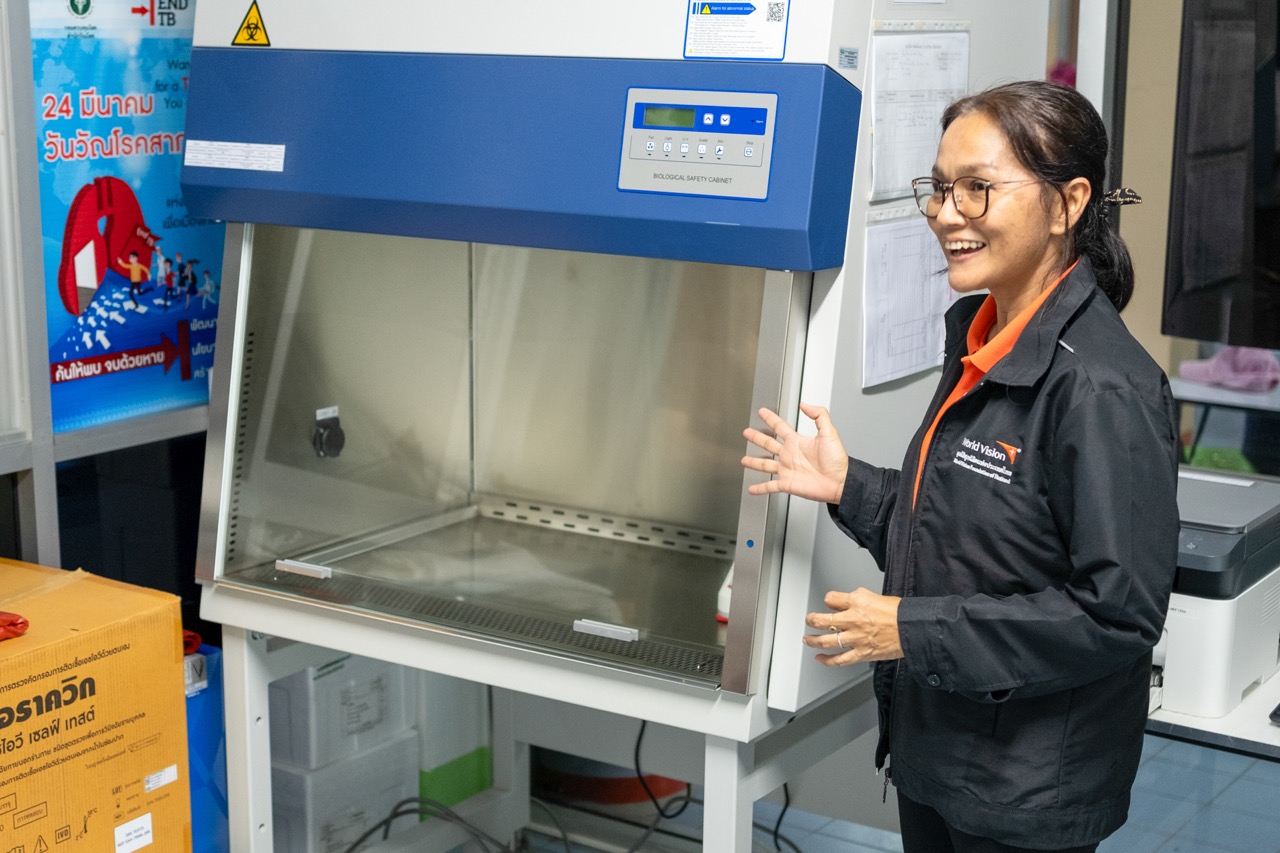
The meeting began with site visits and knowledge sharing on healthcare services for migrants at Ranong Hospital and Pak Khlong Sub-district Health-promoting Hospital. This was followed by a workshop to share operational results, working approaches, challenges encountered, and to jointly discuss ways to improve the efficiency of cross-border referral systems. World Vision Foundation of Thailand, led by Dr Nyan Win Phyo, Migrant Populations Programme Manager, under the Stop TB and AIDS through RRTTPR year 2024-2026 project, supported by the Global Fund, participated in the meeting alongside field staff to share operational outcomes and systematic, participatory provincial-level support strategies.
One of the key topics discussed was the role of civil society, particularly World Vision Foundation of Thailand in Ranong, which has actively contributed to advancing migrant health work and cross-border referrals. The organisation follows the RRTTPR principle: Reach, Recruit, Test, Treatment, Prevention, Retain. These principles support Sustainable Development Goal Target 3.3, which aims to end the epidemics of AIDS, tuberculosis, malaria, and other communicable diseases by 2030. During the meeting, World Vision Foundation of Thailand presented the results from project implementation, challenges, and concrete support strategies to enhance sustainable healthcare systems in border areas. Relevant topics are as follows:
- Capacity Building: Developing migrant health volunteers (MHVs) to connect migrants with healthcare services and ensure continuity of care.
- Advocacy & Coordination: Building partnerships with community leaders and local networks to support MHVs and promote collaborative patient care and monitoring in communities to ensure sustainable healthcare systems.
- Referral for Treatment & Laboratory Services: Collaborating with public health agencies in Ranong to refer and care for migrant patients, ensuring that they receive comprehensive treatment and diagnosis, with a patient-centred approach, and expanding efforts to develop a referral system between Ranong and Kawthaung to elevate the quality of cross-border health services.
- Partnership: Working closely with government agencies to strengthen cross-border referral systems, supporting TB screening, and deploying portable X-ray machines for migrants, helping to bridge gaps in border-area healthcare services and effectively enhancing continued access to services for target populations.
World Vision Foundation of Thailand Supports Cross-Border Referrals in Ranong
Since 2012, the World Vision Foundation of Thailand has partnered with Ranong Provincial Public Health Office and local network partners to develop a cross-border case referral system between Ranong Province, Thailand, and Kawthaung Province, the Republic of the Union of Myanmar, under the “Twin City” collaboration model. Quarterly joint meetings were held to coordinate cross-border patient care, with the first referral case occurring in 2014 through email coordination. In January 2016, both provinces introduced a communication channel through the Facebook Messenger application to support patient referrals, significantly improving the speed and efficiency of case management. However, regular meetings were disrupted during the COVID-19 pandemic and Myanmar’s political unrest. Although meetings briefly shifted online, they were officially discontinued in 2022. Despite this, the Facebook Messenger group remains active and continues to facilitate coordination between Ranong Hospital and Kawthaung Hospital. Messenger is well-suited to Myanmar’s limited internet infrastructure, where high-bandwidth applications are not feasible. The group includes medical personnel, public health officers, World Vision Foundation of Thailand staff, and migrant health volunteers (MHVs) from both countries, working closely together to manage and coordinate case referrals. The strong relationships built between the teams before Myanmar’s political crisis have been crucial in maintaining effective referrals despite numerous challenges. Previously, formal referrals could take up to three months to process; today, coordination via Messenger enables cases to be managed quickly, albeit informally.
Deputy Provincial Public Health Officer of Ranong Province says, “We can just connect via Messenger and make it happen. Official channels would take much longer than three months. Support from World Vision Foundation of Thailand has been crucial in maintaining the cross-border referral system between the two cities, particularly during the COVID-19 pandemic and the period of political unrest in Myanmar. World Vision Foundation of Thailand consistently facilitated collaboration with partners on the Myanmar side, ensuring that operations could continue effectively and without interruption.” Therefore, the provincial-level border health network meeting between Ranong and Kawthaung, held in September 2025, marked the official resumption of formal meetings after being suspended since 2022. This represents a significant step towards evitalizing and strengthening cross-border health cooperation for greater resilience and sustainability.
However, the communication channel for case referrals still faces challenges that require ongoing development, particularly regarding personal data protection and the limitations of using Facebook Messenger. Access to this channel is restricted to working groups in Ranong and Kawthaung only. When there is a need to refer patients across the border from other southern provinces, staff must coordinate through the Communicable Disease Control Division of the Ranong Provincial Public Health Office to initiate the referral process via this channel. This additional step can affect the speed of treatment and the control of disease outbreaks.
The Ranong Provincial Public Health Office has proposed developing a more robust cross-border referral system that can be scaled up to other provinces, not limited to Ranong and Kawthaung. This includes creating a comprehensive referral form covering all diseases—not only tuberculosis—to ensure faster and more efficient patient transfers. Mr Suthon Khumphet, the Deputy Provincial Public Health Officer of Ranong Province, emphasised the need for clearly designated coordination points on both sides of the border, as well as the appointment of government officials responsible for managing all cross-border referrals. He noted that some patients may need to travel beyond Kawthaung, requiring dedicated staff to ensure safety throughout the journey. Additionally, he proposed establishing a Cross-Border Health Committee, comprising representatives from government agencies, civil society, employers, and both national governments. This committee would jointly analyse strengths, weaknesses, opportunities, and threats (SWOT) of the referral system and develop a long-term provincial strategy. He further stressed that an effective referral system must strike a balance between standardised protocols—to guarantee data protection and service quality—and flexibility to adapt to local contexts. He cautioned that “this approach is not a one-size-fits-all solution” and must be co-designed with all stakeholders to ensure practical and sustainable implementation. Ultimately, collaboration, mutual understanding, and trust between agencies in both countries remain the cornerstone of success in building an efficient and sustainable cross-border referral system.
World Vision Foundation of Thailand in Ranong plays a vital role in facilitating cross-border case referrals through the TB/HIV Cross-Border Referral System (THCR) programme, developed by the Department of Disease Control and officially launched in 2024. This system links treatment between Thailand and neighbouring countries to ensure continuity of care and reduce patient drop-out rates. In practice, World Vision Foundation of Thailand acts as an intermediary, updating patient information for Ranong Hospital to input into the THCR system, which is accessible only to government agencies. This data serves as a basis for national-level health service planning and development. In 2025, a total of 11 cases were referred across borders, with all data recorded in the THCR system, reflecting strong collaboration between World Vision Foundation of Thailand, Ranong Hospital, and partner networks in supporting regional public health goals in a tangible way.
For over 30 years, World Vision Foundation of Thailand has continuously worked on migrant health in Ranong Province to create sustainable change in border areas with unique contexts. These efforts demonstrate the organisation’s strong capacity for localised work, with strengths in local health system strengthening and being a partner of choice among local stakeholders. World Vision Foundation of Thailand remains committed to its ministry and aims to take the leadership for migrant health, playing a key role in supporting the end of AIDS and tuberculosis in Thailand, in line with the National Strategy to End AIDS (2023-2026) and Thailand Operational Plan to End Tuberculosis Phase 2 (2023-2027).