The issue of children and young people falling outside the education system continues to escalate, requiring urgent collaboration across all sectors to address challenges that could evolve into a human capital crisis. These include widening social inequality, the intergenerational transmission of poverty, heightened risk of entering the poverty cycle, social problems and crime, loss of future workforce potential, and missed opportunities for economic growth.
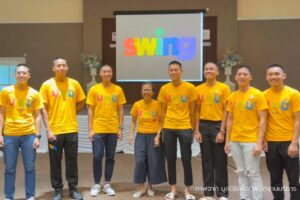
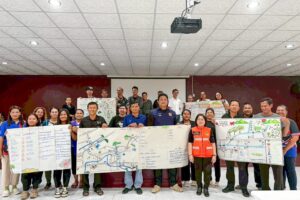
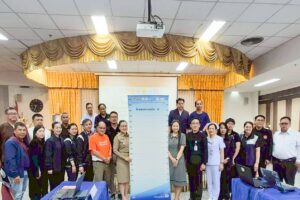
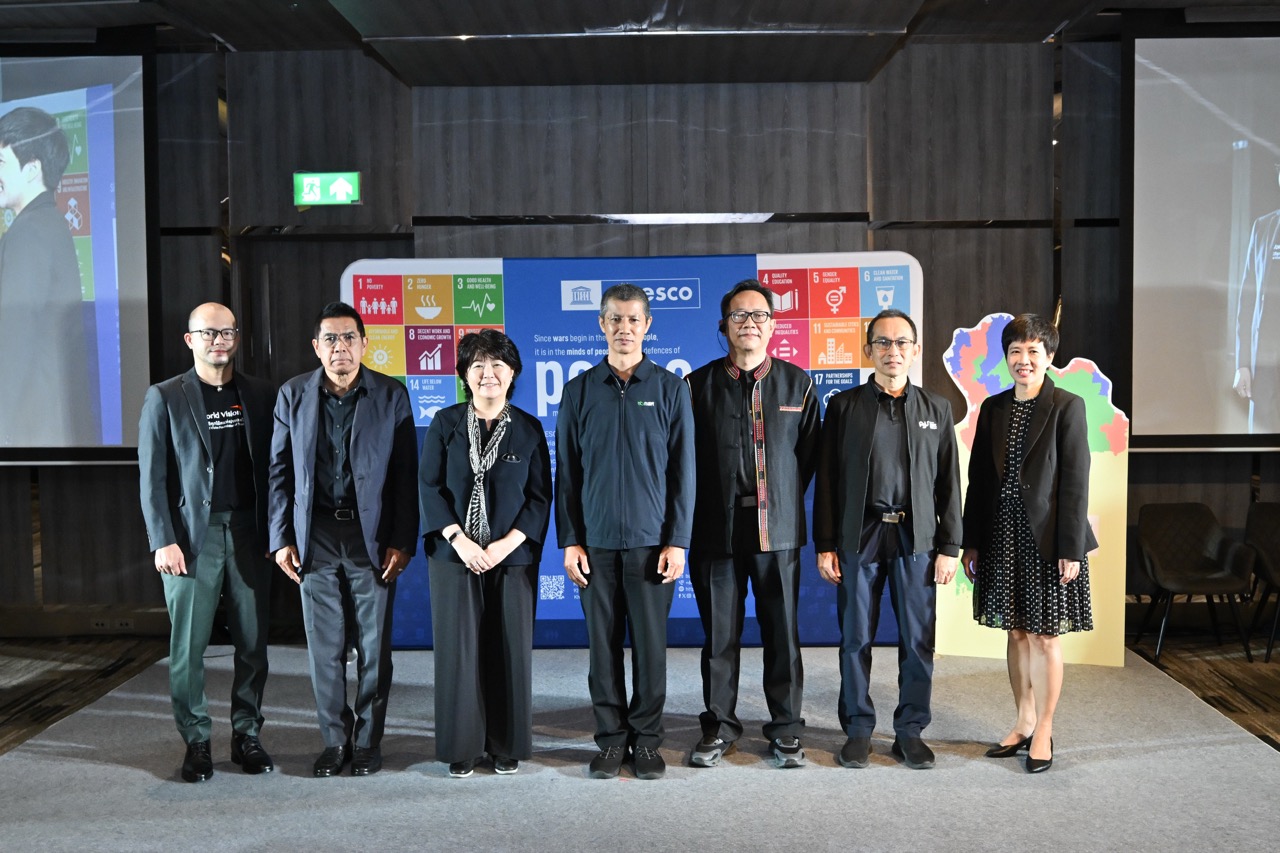
On 11–12 December 2025, the Equitable Education Alliance (EEA), co-chaired by UNESCO and the Equitable Education Fund (EEF), convened an international academic forum, the 14th Meeting of Equitable Education Alliance (EEA), under the theme “Preventing School Dropout and Youth Disengagement in South-East Asia: Spotlight on Effective Practices to Support Youth Not in Education, Employment, or Training (NEETs).”
The event featured exchanges on the regional situation of out-of-school children and youth, which currently affects more than 14 million in South-East Asia. Government representatives, academics, educators, and civil society leaders shared insights on key topics, including tools and models for tracking and supporting vulnerable and underprivileged youth to ensure timely and appropriate assistance, as well as evidence-based innovations to promote learning among these groups.
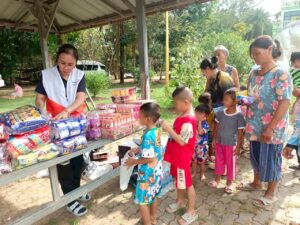
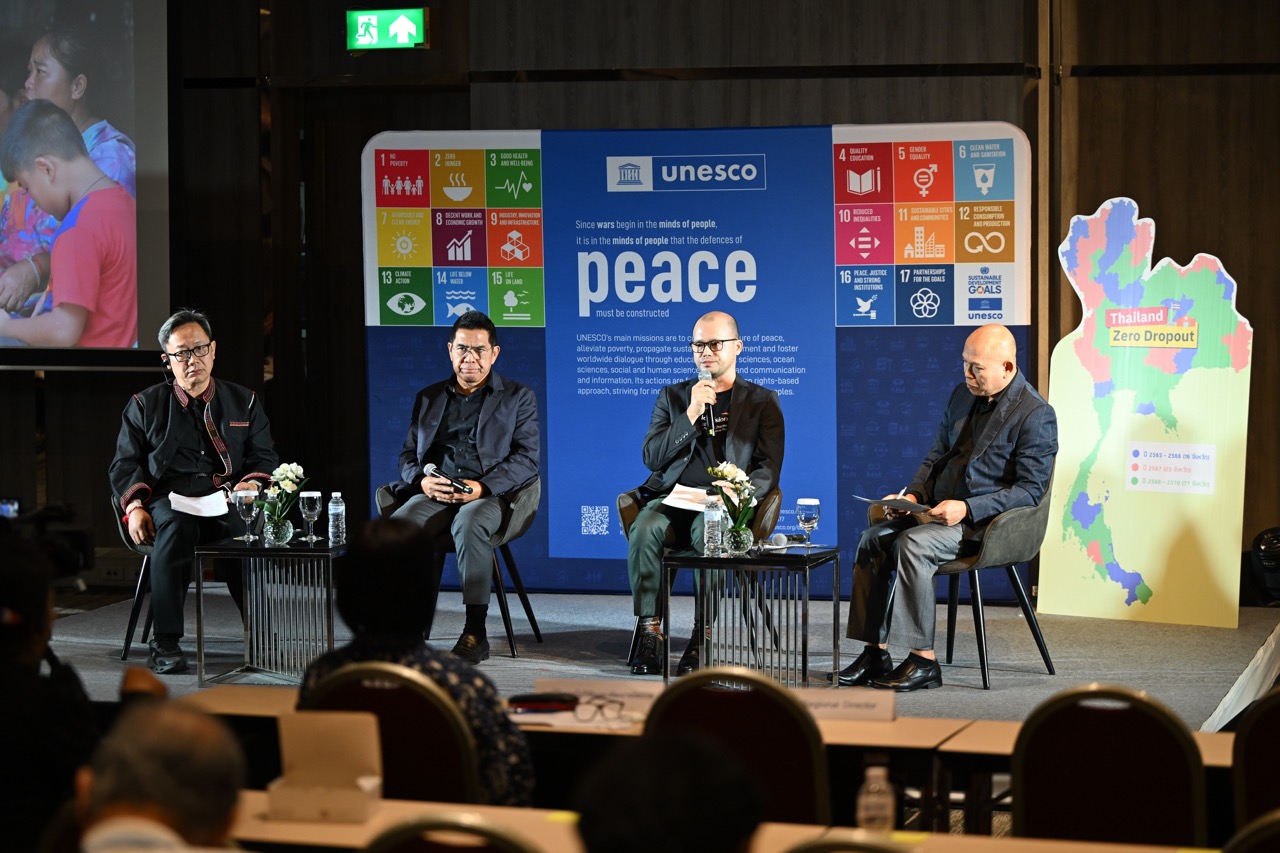
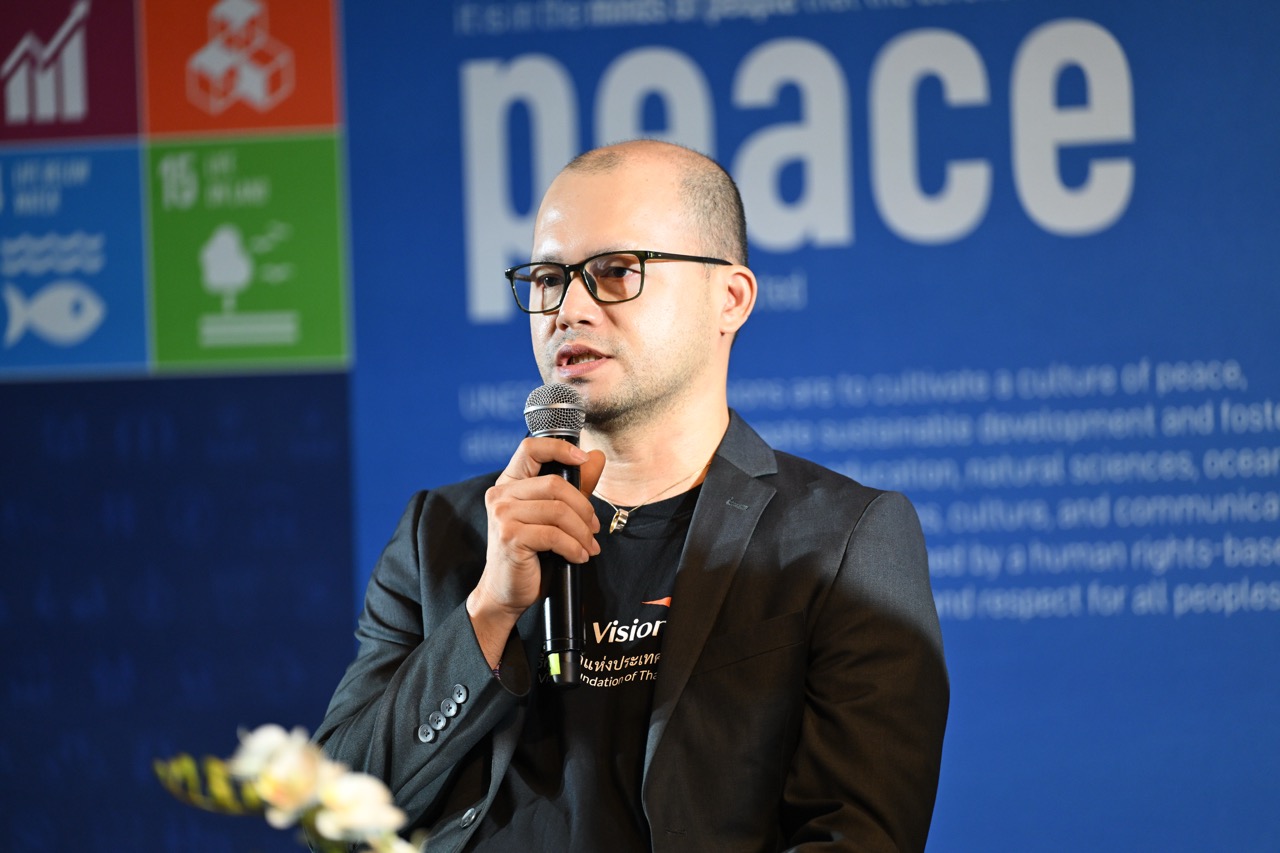
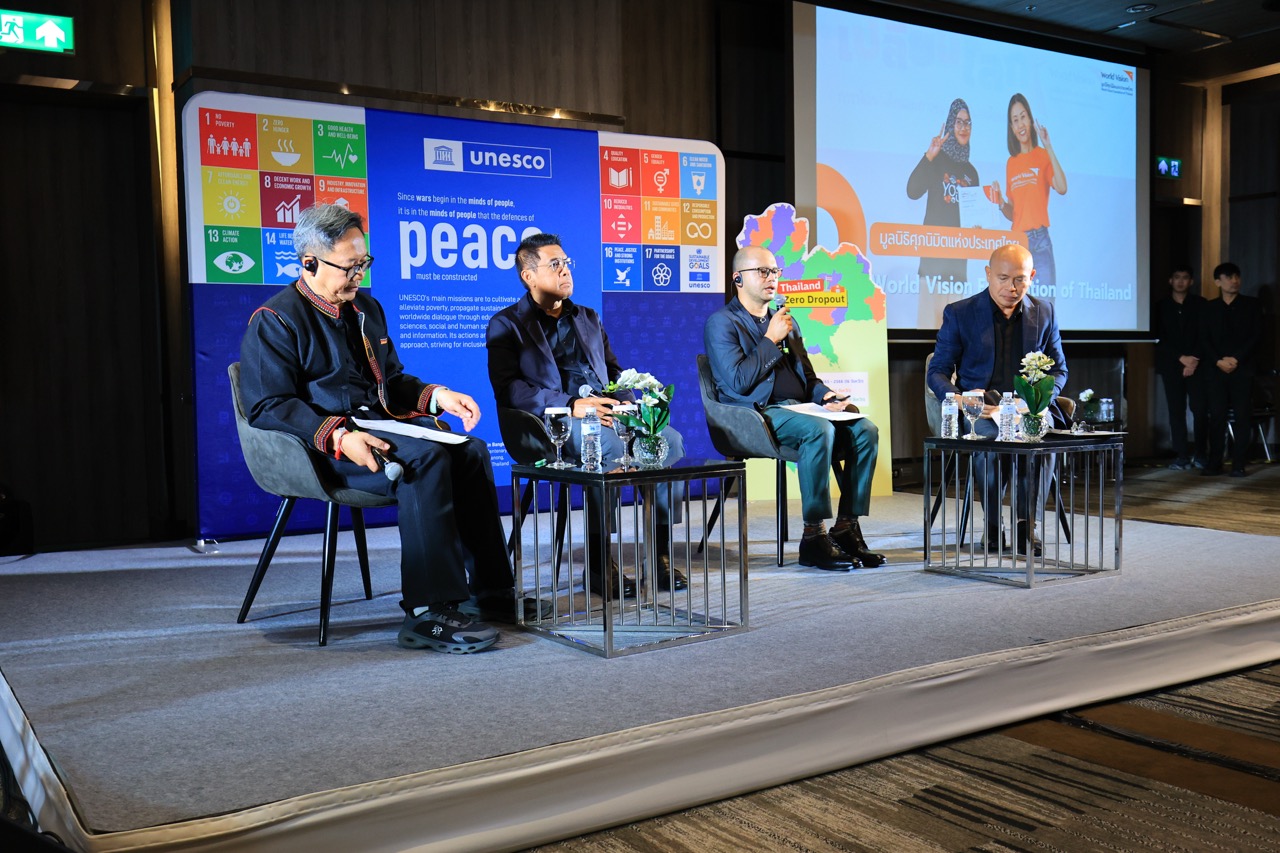
Mr Alonzo Padul Lee, Ministry Quality and Impact Division Manager at World Vision Foundation of Thailand, contributed to the panel discussion ‘Implementing OOSCY Programmes on the Ground’, highlighting the organisation’s work in education and life skills, alongside efforts to reintegrate children who have dropped out of school.
“Our core ministry is to transform the lives of children, particularly the most vulnerable, so that they can thrive. We currently operate in around 30 provinces across Thailand, mostly remote and border areas facing significant challenges. Our education and life skills programmes focus on expanding access to quality education while strengthening social and critical-thinking skills. We also prioritise vocational training in agriculture, technical trades, food and beverage, and service-related jobs such as hairdressing, alongside education fund provision. These efforts are integrated with family development initiatives and community engagement, working closely with schools, local leaders, and local authorities. Importantly, we actively engage in advocacy efforts in partnership with government agencies, such as the Office of National Higher Education, Science, Research and Innovation Policy Council, to co-design tools, processes, and policies addressing school dropout issues.”
Alonzo also highlighted emerging challenges impacting children and youth, including climate change-related disasters and tensions along the Thai–Cambodian border, which threaten educational opportunities.
“World Vision Foundation of Thailand is moving towards our 2026–2030 strategic plan, which emphasises stronger collaboration with local networks, reaching the most vulnerable children—including those with disabilities and those out of school—and developing flexible learning systems tailored to diverse needs. We prioritise research partnerships to ensure that our interventions deliver maximum impact in addressing school dropouts and advancing education and life skills for children and youth,” Alonzo highlighted World Vision Foundation of Thailand’s strategic plan at the conclusion of the discussion.