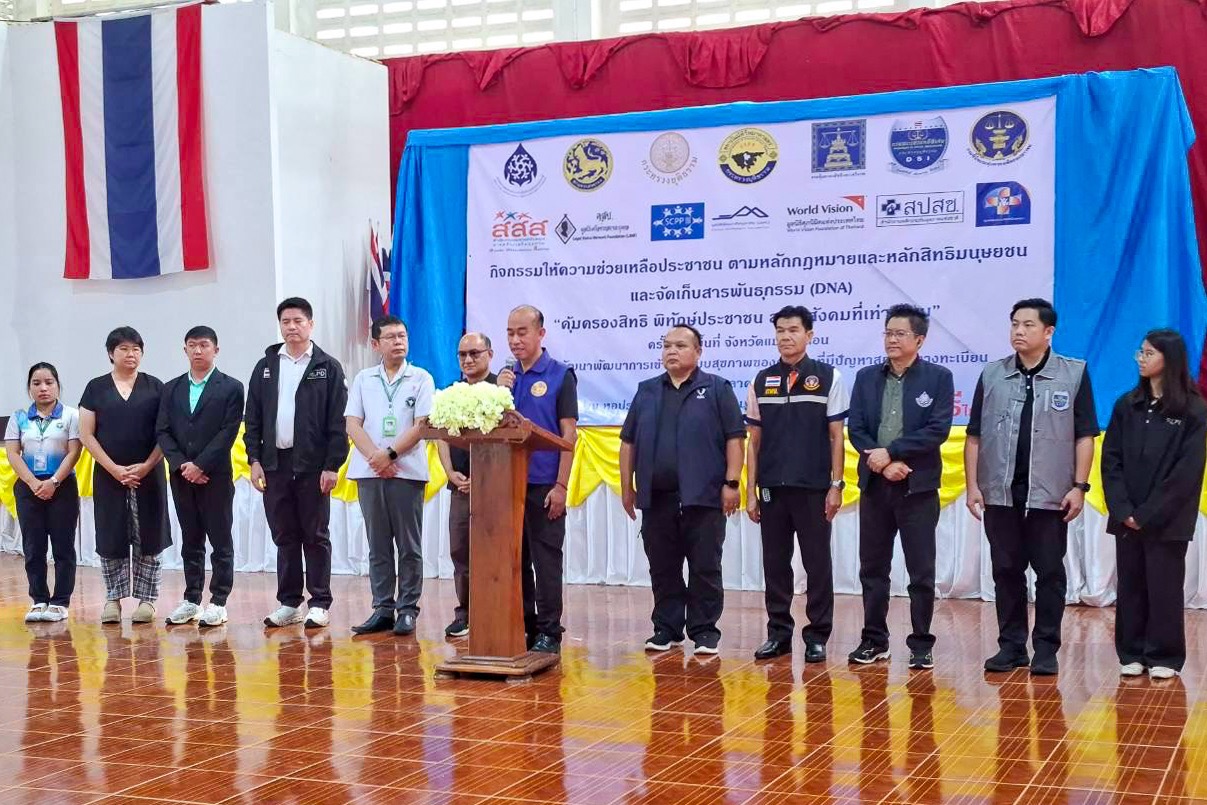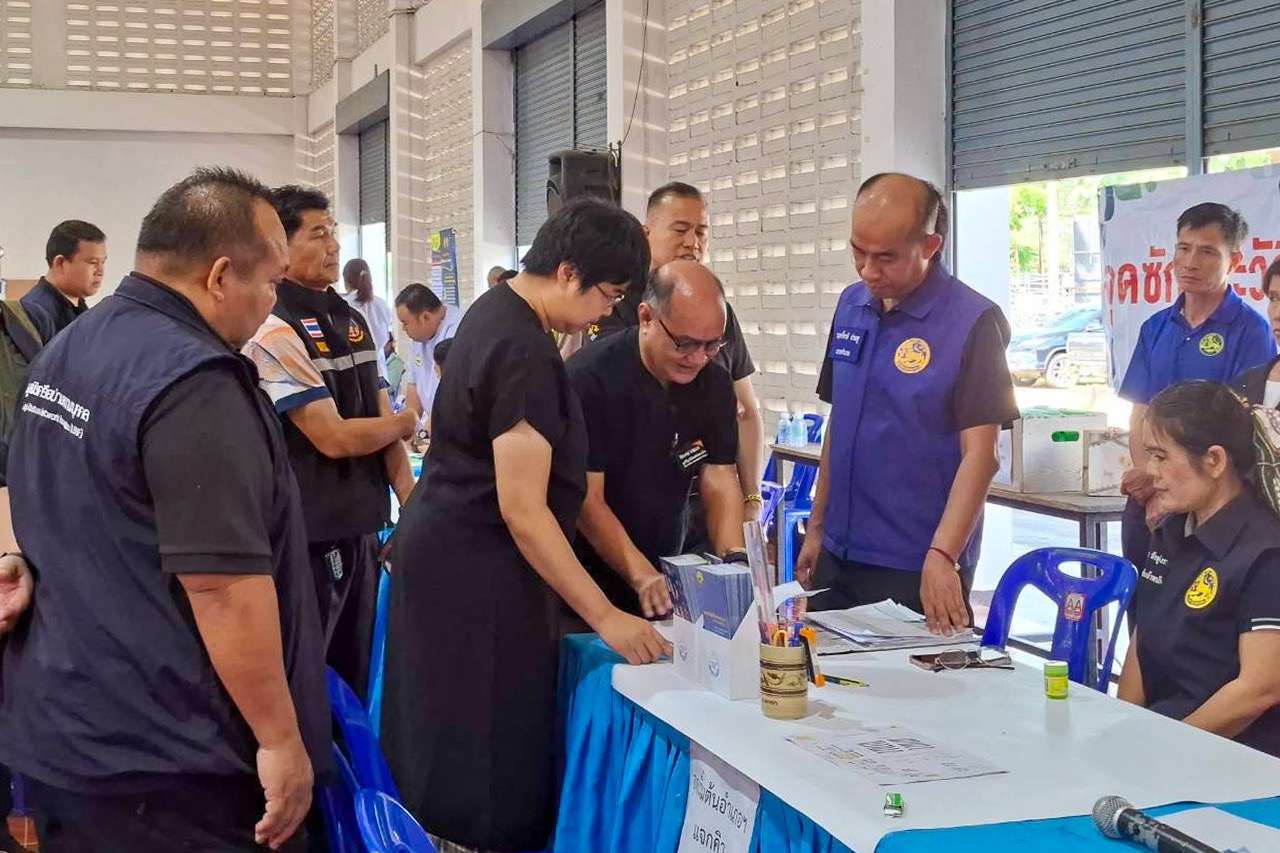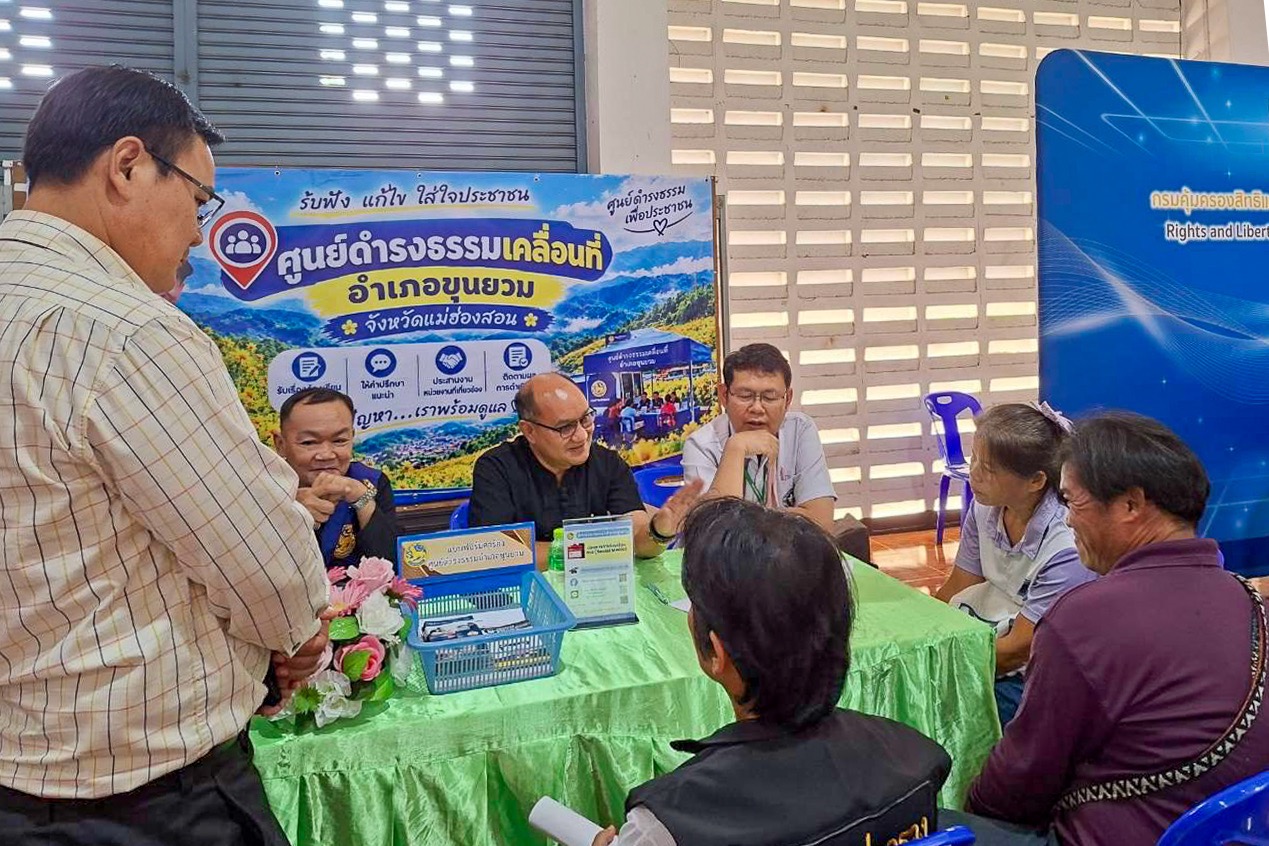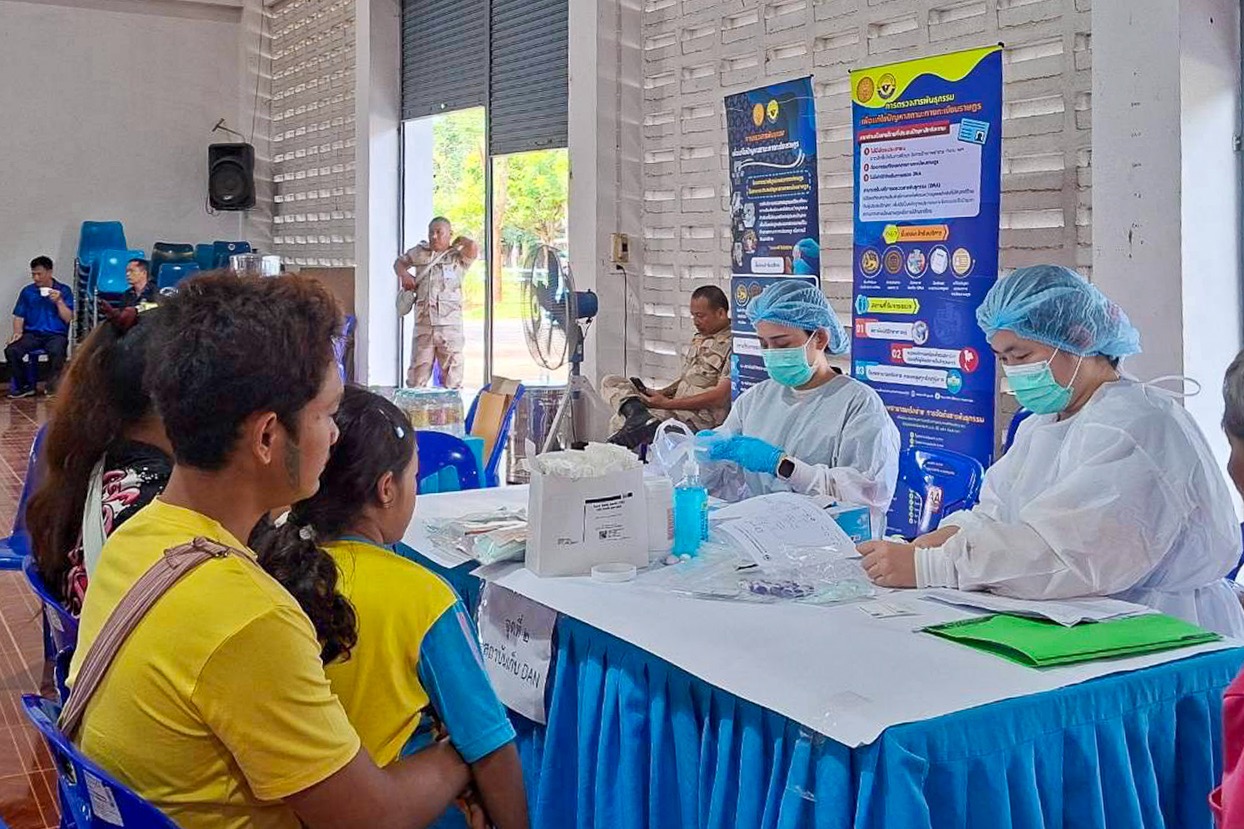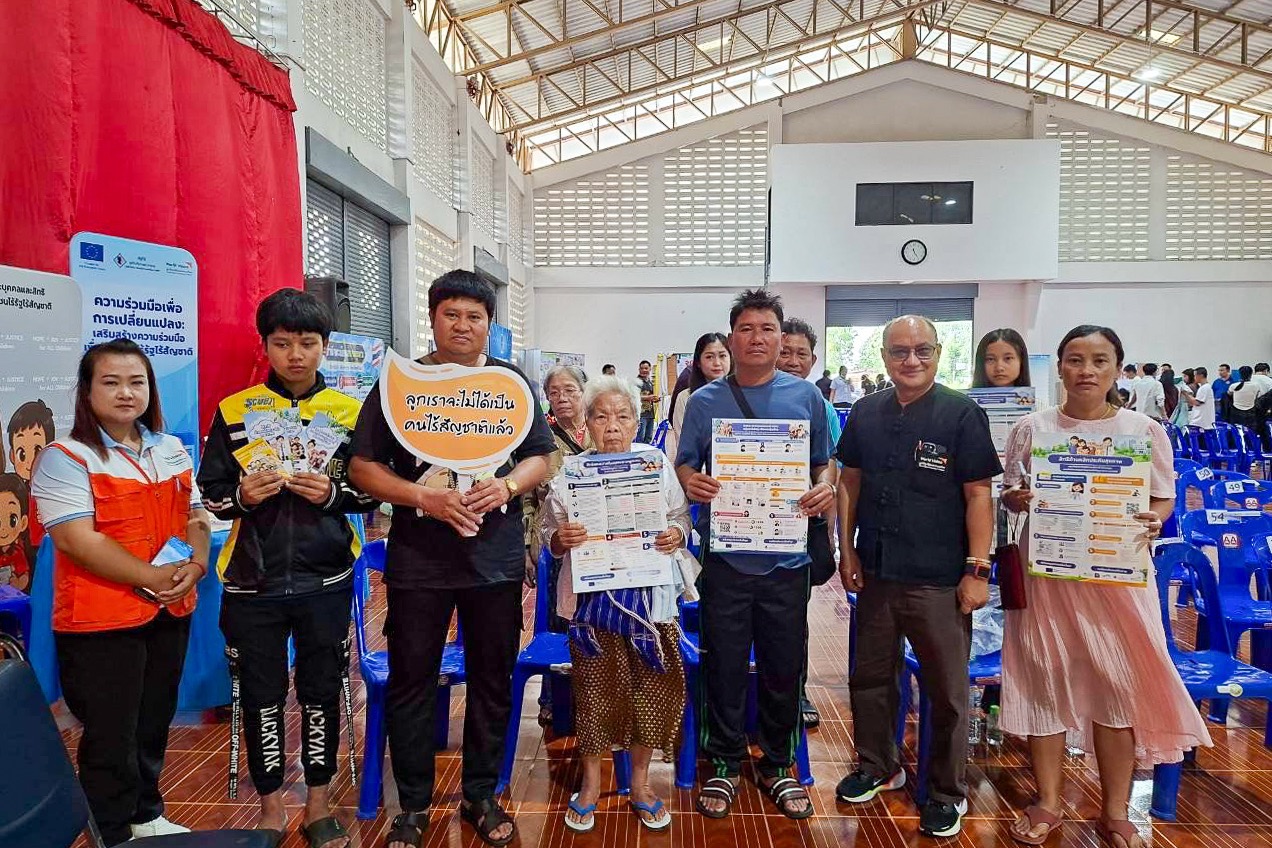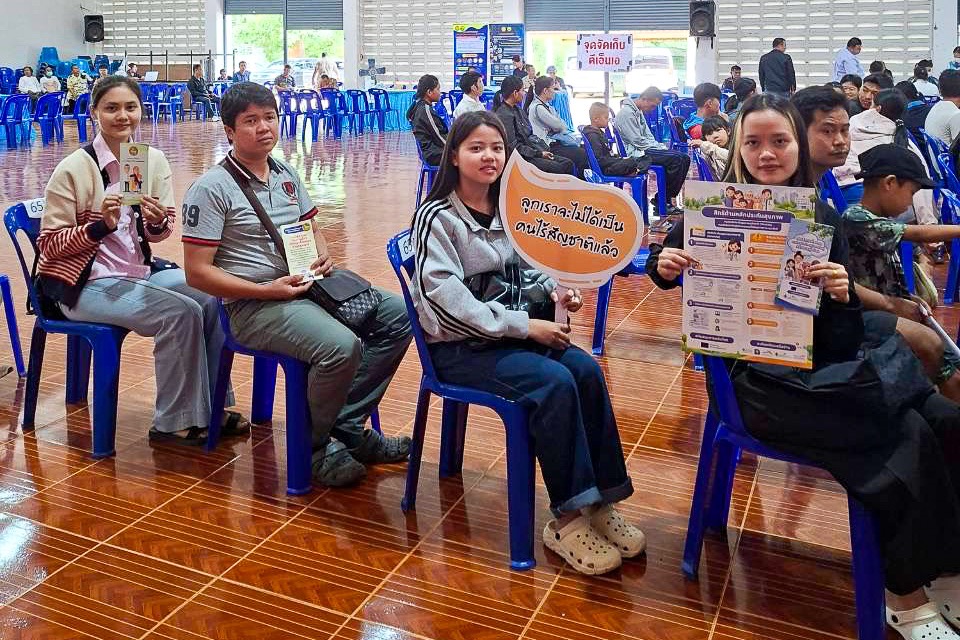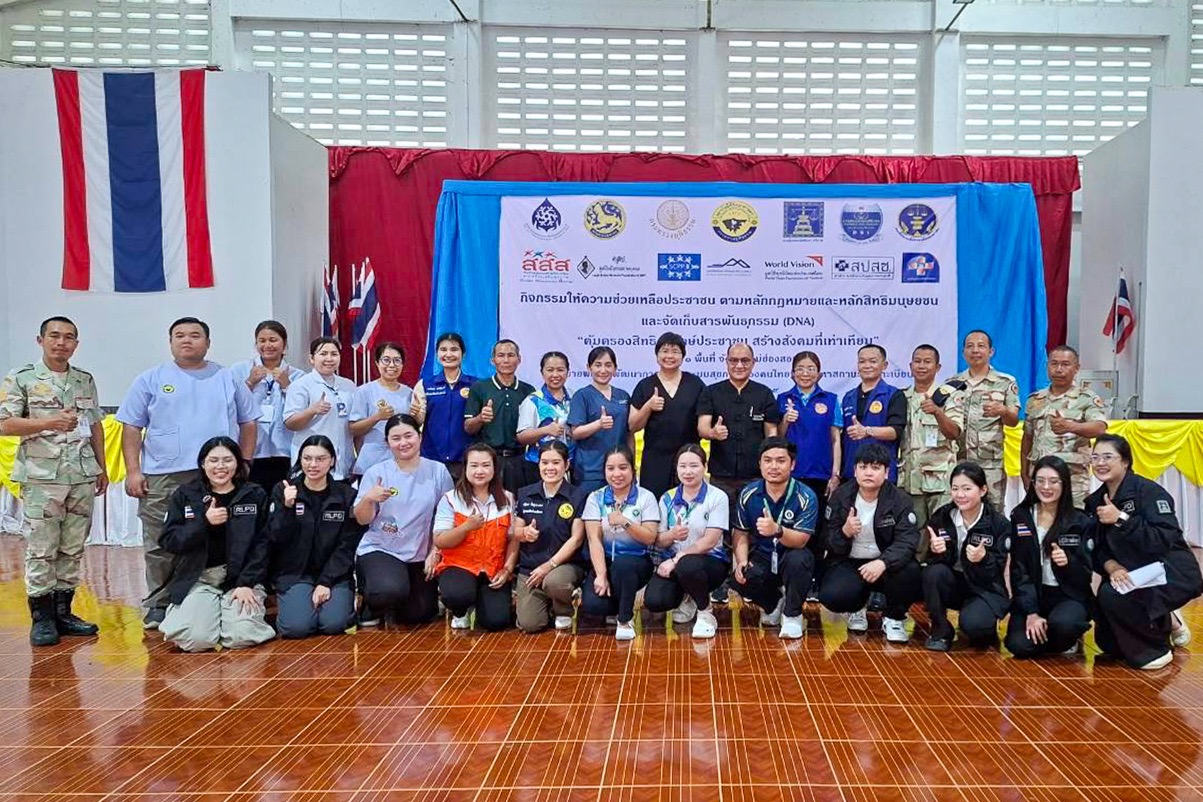
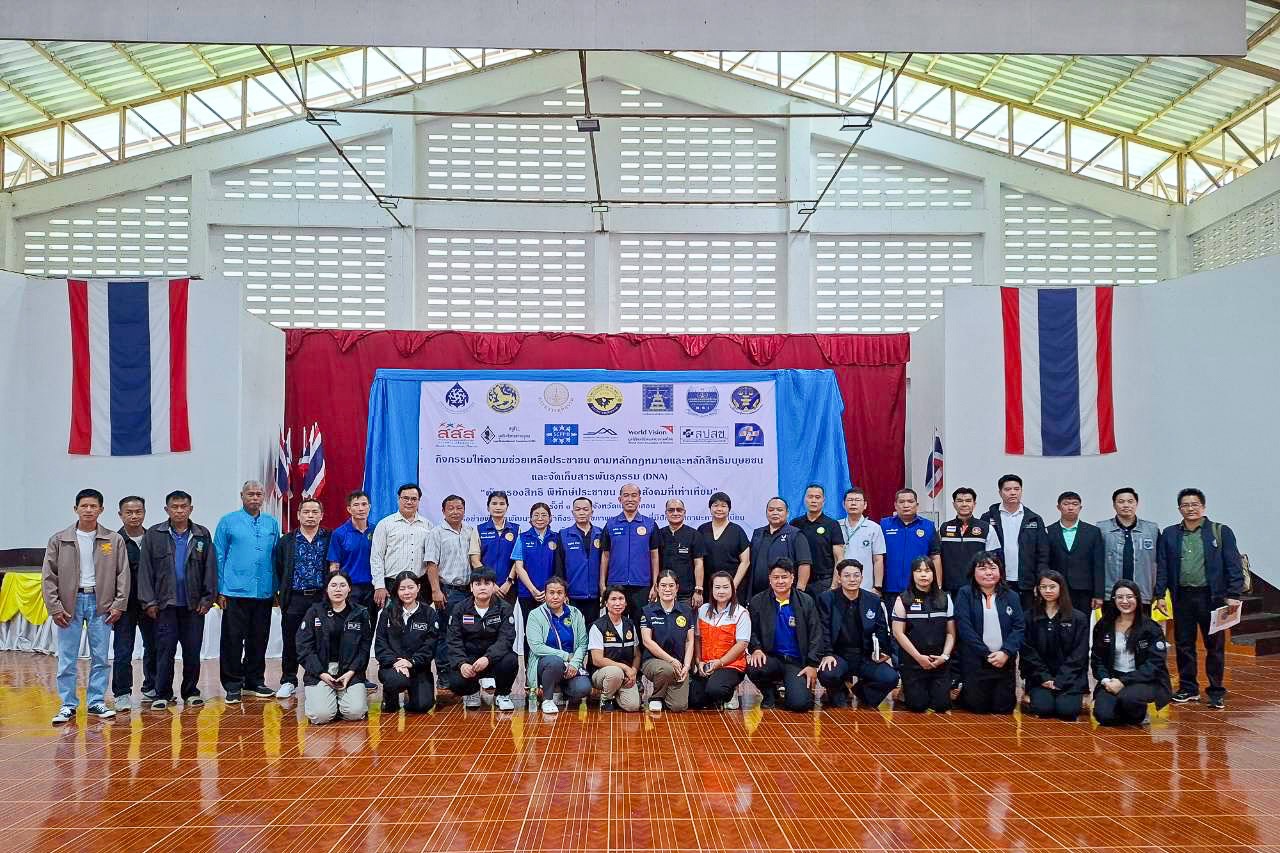
On 27 October 2026, at the Khun Yuam District Meeting Hall, Mae Hong Son Province, World Vision Foundation of Thailand (WVFT), in collaboration with the Central Institute of Forensic Science, Department of Rights and Liberties Protection, Department of Provincial Administration, Department of Special Investigation (DSI), National Health Security Office Region 1 Chiang Mai, Sop Moei Hospital, Khun Yuam Hospital, the Foundation for Human Rights and Development on Legal Status, and other civil society network partners, worked closely with the Khun Yuam District Registration Office to organize the activity “Protecting Rights, Upholding Citizens, and Building an Equitable Society.” The initiative aimed to assist Thai citizens who have been excluded from the civil registration system in accessing their legal rights and citizenship status.
The activity was designed to support vulnerable individuals whose father or mother holds Thai nationality but who lack civil registration documents or other key evidence required to prove their eligibility for Thai nationality. Participants received free DNA testing services, providing scientific evidence to verify biological relationships. This evidence is a crucial component of the process for confirming personal legal status, adding names to the civil registration system, and obtaining recognition of Thai nationality in accordance with Thai law.
The event was presided over by Mr. Weratchat Panshu, Chief District Officer of Khun Yuam District, and was attended by representatives from government agencies, civil society organizations, and local network partners who joined together in support of the initiative. A total of 77 individuals from 14 families participated in the DNA verification process, including 64 individuals who had been excluded from the civil registration system and 13 Thai-national reference persons.
Mr. Sumit Worpapho, Legal Status and Rights Specialist at the World Vision Foundation of Thailand, explained that cases of Thai citizens being excluded from the civil registration system continue to be found in many areas of Mae Hong Son Province. Although many of these individuals are Thai by birth and have parents who hold Thai nationality, they do not have their names recorded in the civil registry or lack the documents necessary to verify their legal status. As a result, they are often unable to access fundamental rights, including education, healthcare services, employment opportunities, and government welfare programs.
“DNA testing is an important scientific tool for verifying biological relationships. It supports the implementation of Thailand’s Nationality Act and helps individuals who are entitled to Thai nationality enter the legal recognition process in a lawful and accurate manner,” said Mr. Sumit.
This collaboration demonstrates the strength of integrated efforts among government agencies, civil society organizations, and network partners in reducing inequalities related to legal identity and civil rights. It also helps strengthen human rights protections for people who remain unable to access fundamental services and entitlements, particularly those who have been left out of the civil registration system and are awaiting legal recognition and access to the rights they deserve as Thai citizens.
World Vision Foundation of Thailand remains committed to working alongside government agencies and partner organizations to address issues related to legal status and statelessness. Through these ongoing efforts, the Foundation seeks to ensure that every person can obtain legal recognition, gain equal access to fundamental rights, and enjoy improved quality of life in a sustainable manner.