Amid the global environmental crisis, ‘waste’ is often seen as merely the endpoint of consumption. However, for the World Vision Foundation of Thailand, waste represents the starting point of systemic development that can be redesigned to create economic and social value, as well as long-term behavioral change.
The story of School in Chat Trakan District, Phitsanulok Province—one of the schools in the area under a community development project aimed at self-reliance and sustainability—reflects a transformation from a space facing accumulated waste problems to an ‘environmental learning ecosystem’ truly driven by youth power.
From ‘overflowing waste problem’ to ‘upstream management system design’
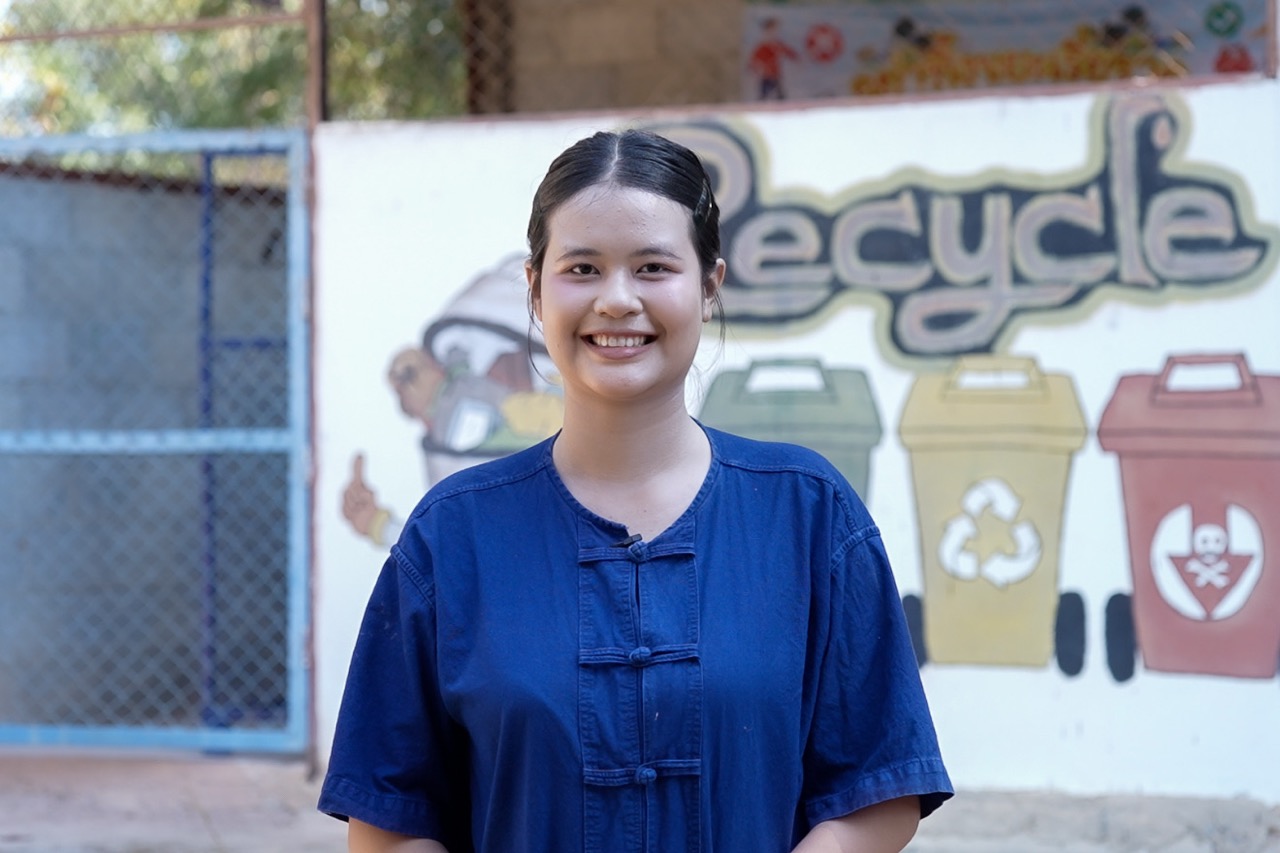
“Waste is pollution, and the problem keeps getting worse in the school,” said Miss Napassorn, or ‘On,’ a Grade 11 student council representative, describing the motivation that led them to take action and solve the issue themselves.
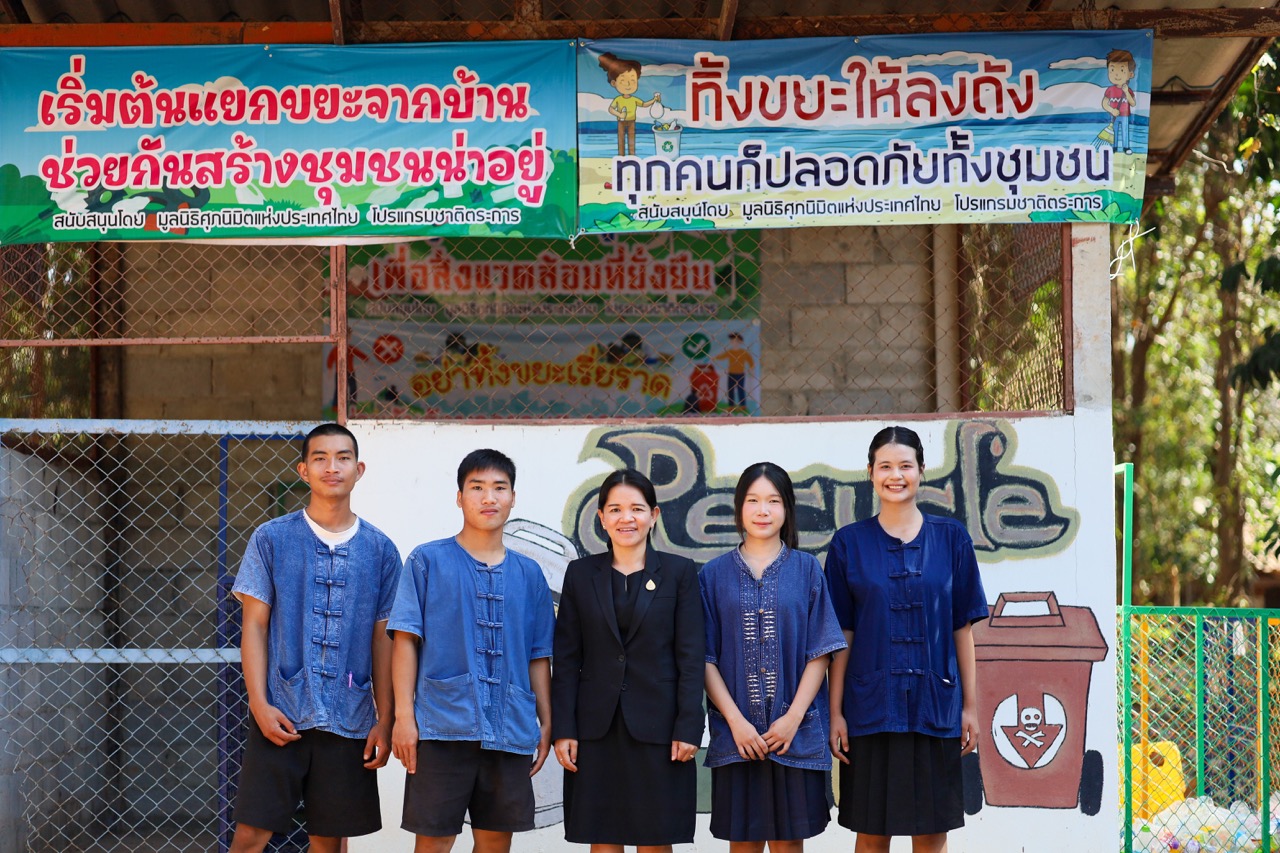
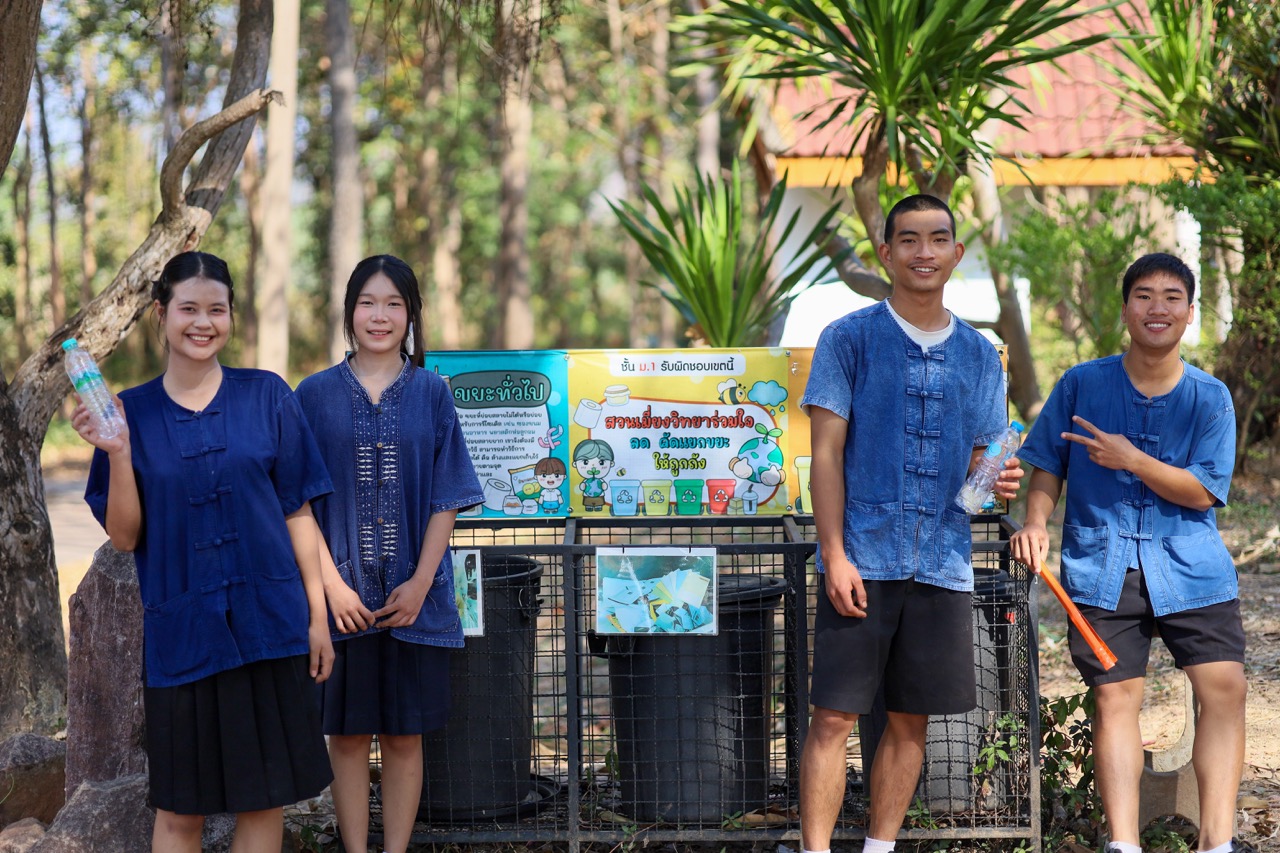
As the school faced increasing waste from the cafeteria and daily activities—affecting students’ well-being, the school environment, and waste management behavior—the student council played a crucial role in designing upstream management. They established a structured waste management system, categorizing waste into general waste, recyclables, and hazardous waste, and set up a ‘waste bank’ as a central mechanism for collection and connection to downstream processes.
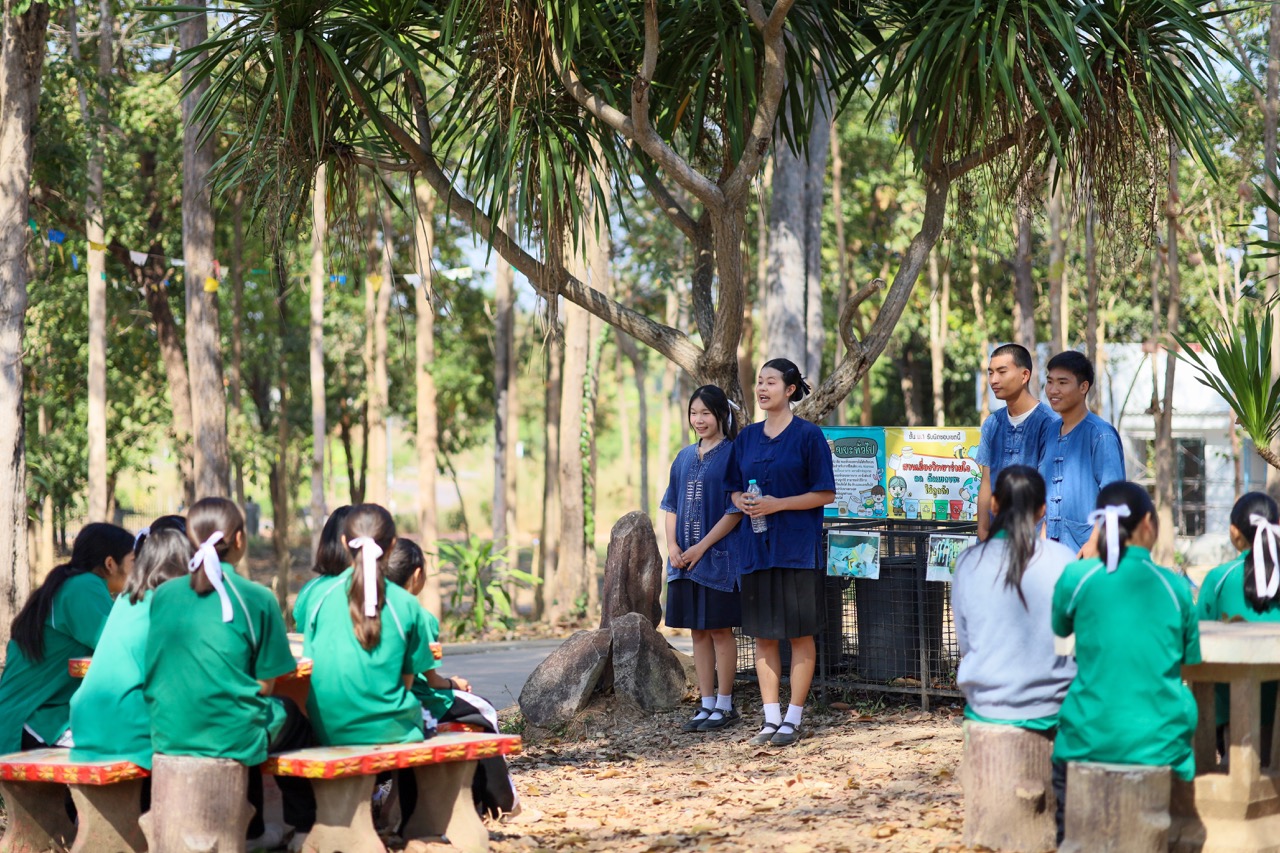
“At our school, we regularly organize activities to educate younger students about waste separation. We communicate after the morning national anthem ceremony or in the evening after school to help build understanding and environmental awareness among everyone in the school.
In addition, the school has clearly labeled bins for waste separation so that everyone can dispose of waste correctly. There are three main categories: general waste, recyclable paper and cardboard, and recyclable plastic bottles. There is also a hazardous waste bin (red bin) for items that require special handling.”
Transforming classrooms into hands-on learning spaces
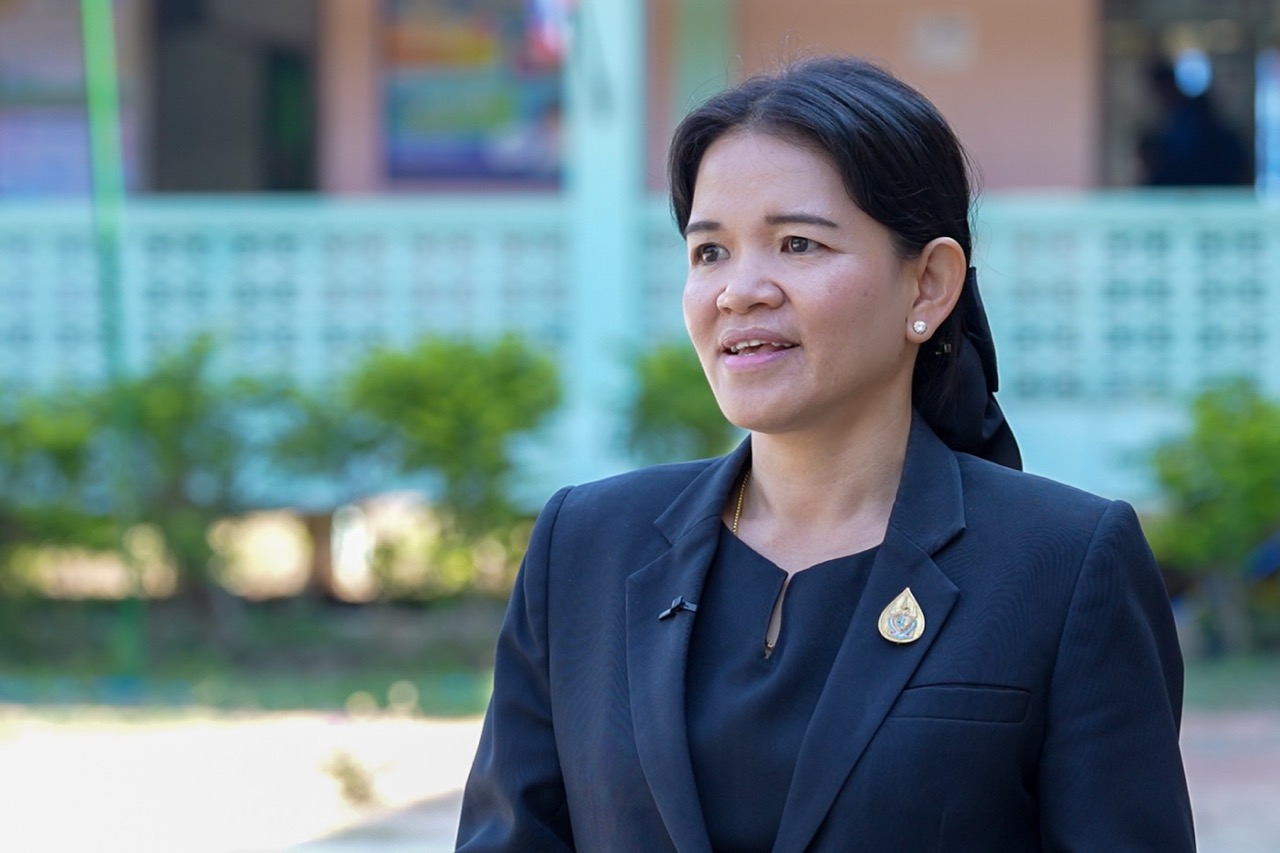
Mrs. Wattana Kantravet, the school director, stated:
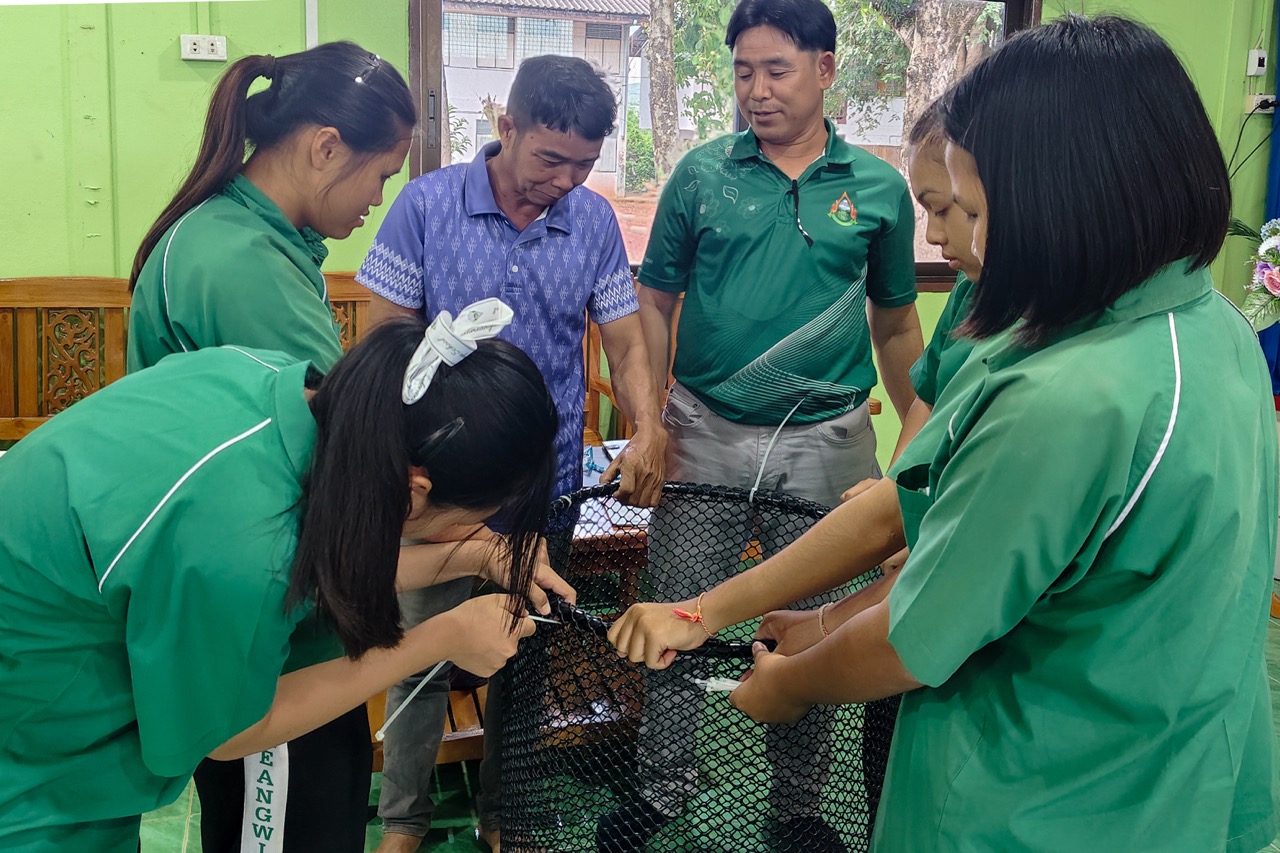
“The World Vision Foundation of Thailand supports experiential learning in two key dimensions: building knowledge and awareness through hands-on training on waste separation and recycling, and supporting systems and equipment such as establishing a waste bank and management systems to create a revolving fund.”
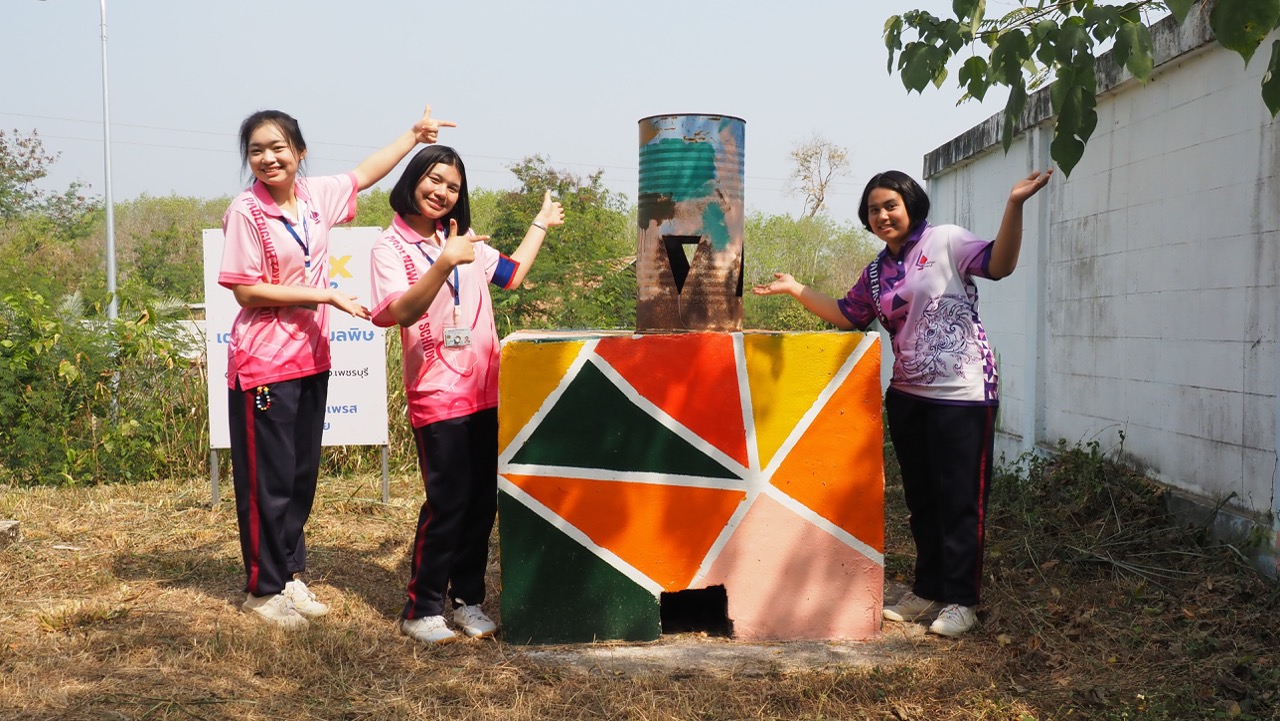
Students are not just recipients of knowledge but active implementers at every stage—from collection and sorting to processing and utilization or sale. For example, they turn fallen leaves into organic fertilizer and planting soil and generate income from recyclable materials. This process transforms ‘waste’ from a burden into both a learning resourceand an economic resource.
Circular economy at the school level: creating value from waste
The school’s waste bank is designed based on the concept of the Circular Economy, with income allocated systematically as follows:
- 60% returned to classrooms
- 20% supporting student council activities
- 20% supporting public school activities
This structure not only creates motivation but also promotes management skills, responsibility, and a sense of ownership among students.
Additionally, the school plans further development, such as turning planting soil into a school product—reflecting a shift from waste management to a green micro-enterprise.
Driving sustainable behavioral change
The core of the project is sustainable behavioral change through three main mechanisms: continuous communication, knowledge transfer from seniors to juniors, and learning through practice.
“Waste separation is the starting point that helps friends understand that waste is not worthless—it can be extended into recycling, selling, or processing into fertilizer,” said Miss Napassorn.
The results achieved include a continuous reduction in waste volume at the school, a clear decrease in improper waste disposal, and increased student participation in environmental activities.
Expanding impact to community-level environmental management
The work of the World Vision Foundation of Thailand is not limited to a ‘waste management and environmental conservation project,’ but focuses on building an environmental management system that can be adapted and expanded to other areas.
In fiscal year 2025, the Foundation implemented the project in collaboration with schools, communities, and local authorities across 37 communities in development areas throughout Thailand, aiming to empower children and youth as key drivers of change.
Through support in learning about waste separation, recycling, climate change mitigation, campaign activities, educational media, and equipment for waste management, many communities have been able to practically adopt these approaches.
Key results
- Over 28,536 children gained access to waste management and environmental activities, including 12,647 vulnerable children.
- More than 10,208 parents, caregivers, partners, and volunteers gained knowledge and participated in community environmental management.
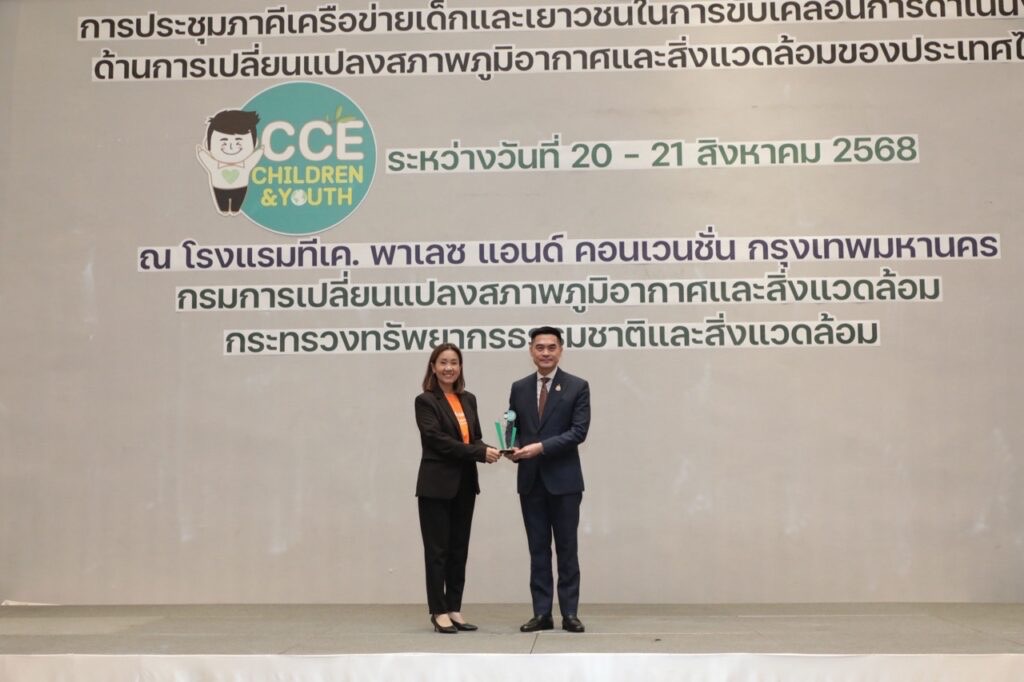
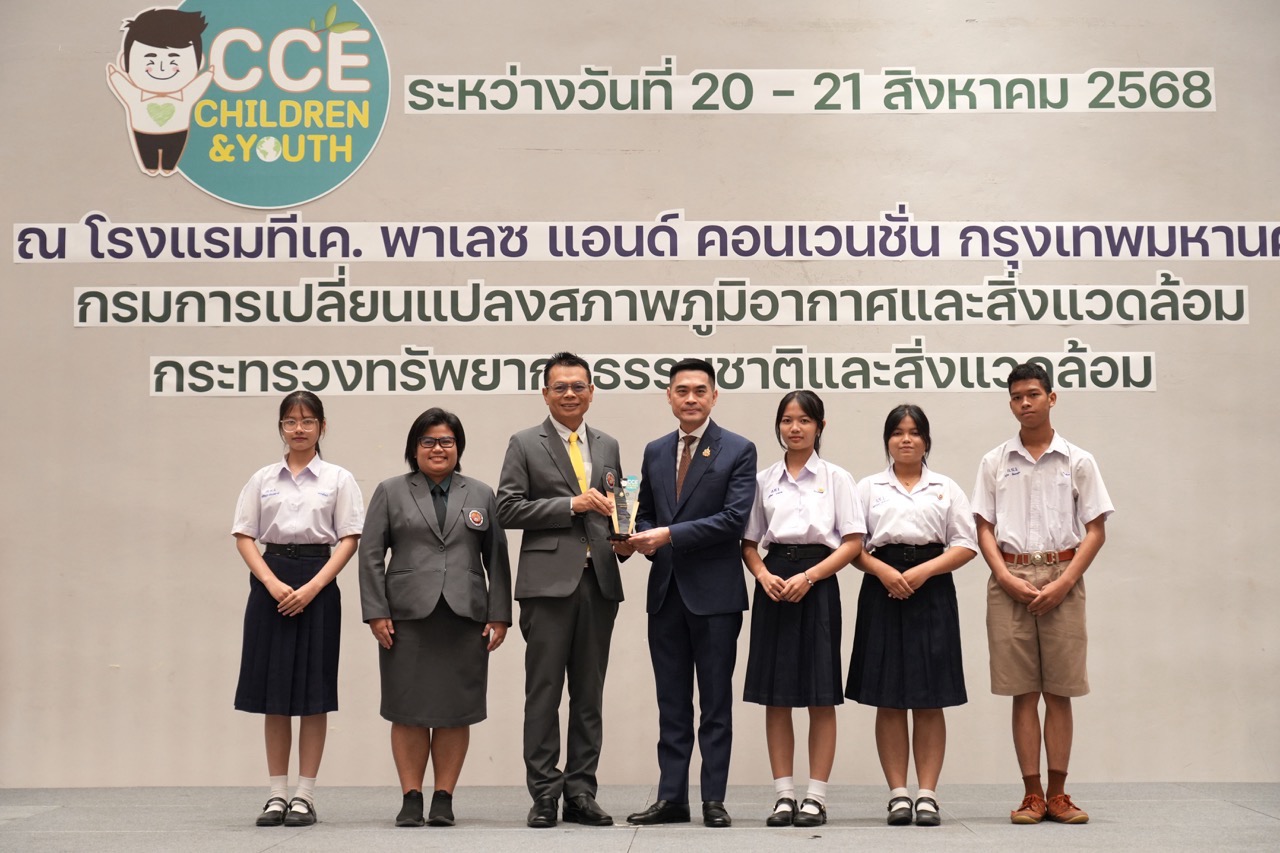
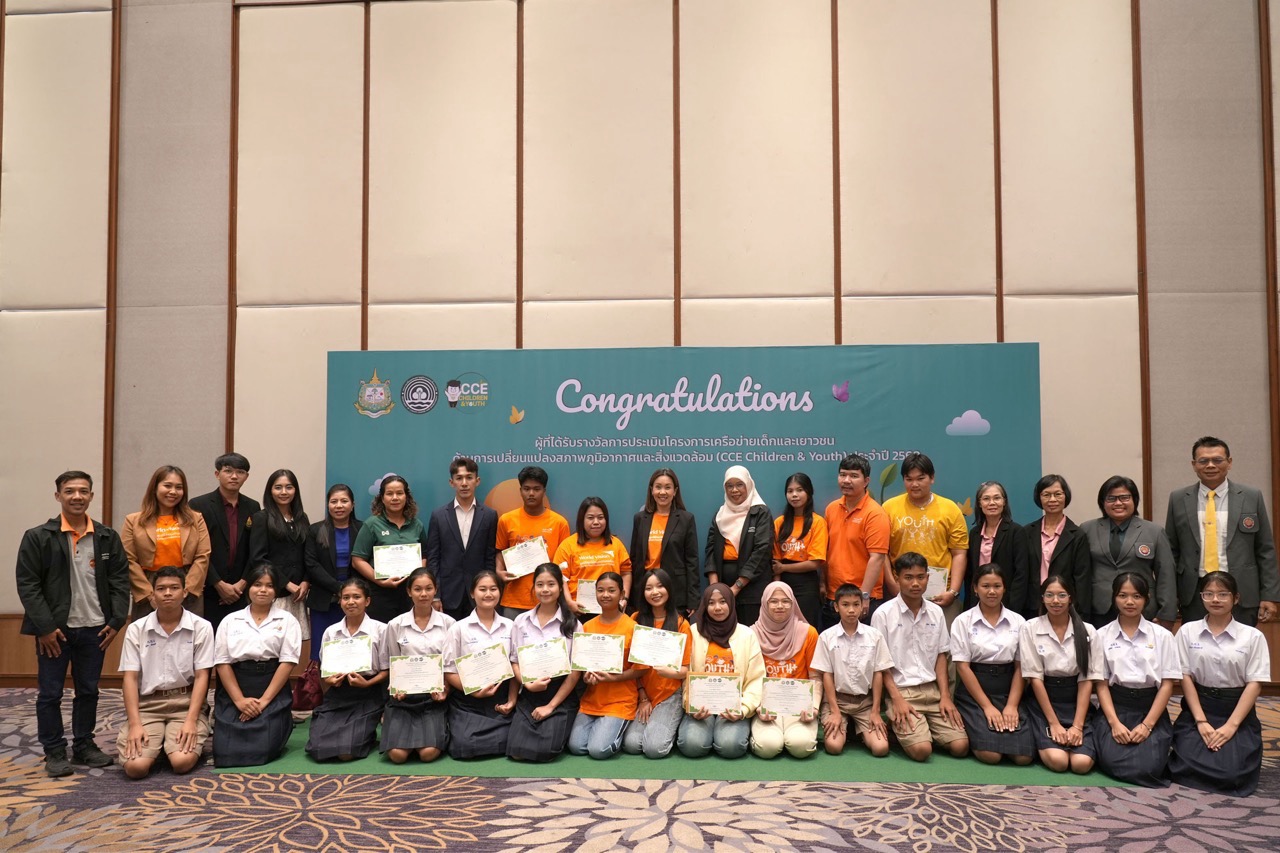
- Youth from 10 environmental projects received national-level awards: 1 gold medal and 9 silver medals from the Department of Climate Change and Environment
From system design to sustainable transformation
The project’s success is driven by collaboration among schools, communities, local administrative organizations, and youth—together fostering both behavioral change and a sense of ownership in environmental issues.
Waste management and environmental conservation promotion project stands as a key example showing that solving environmental problems sustainably cannot rely only on short-term activities, but must begin with system design and human development. Ultimately, changing the world starts with changing the way we think and act in our daily lives.
World Vision Foundation of Thailand believes that instilling environmental knowledge and awareness from a young age is the foundation for building a sustainable society and shaping youth into responsible global citizens of the future.