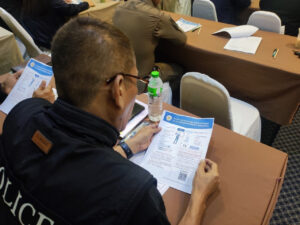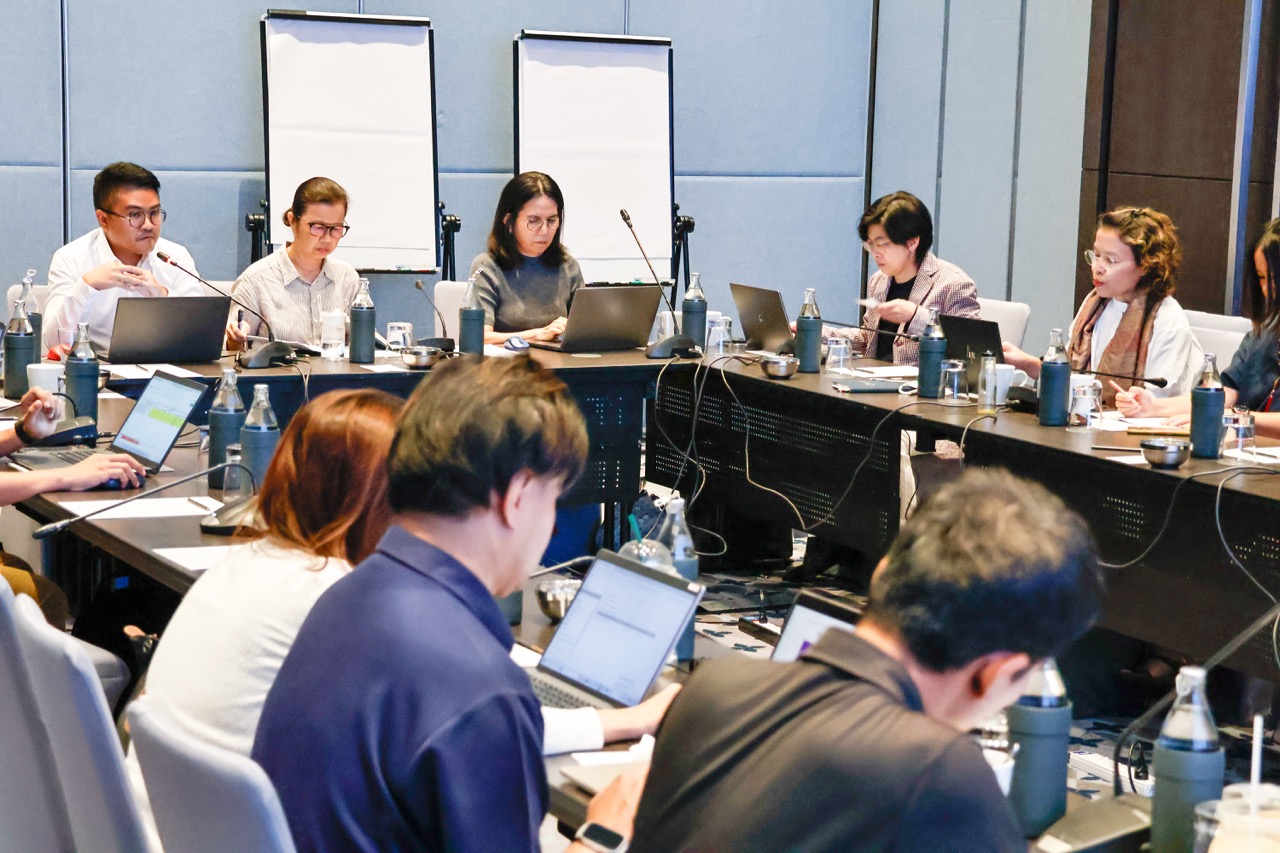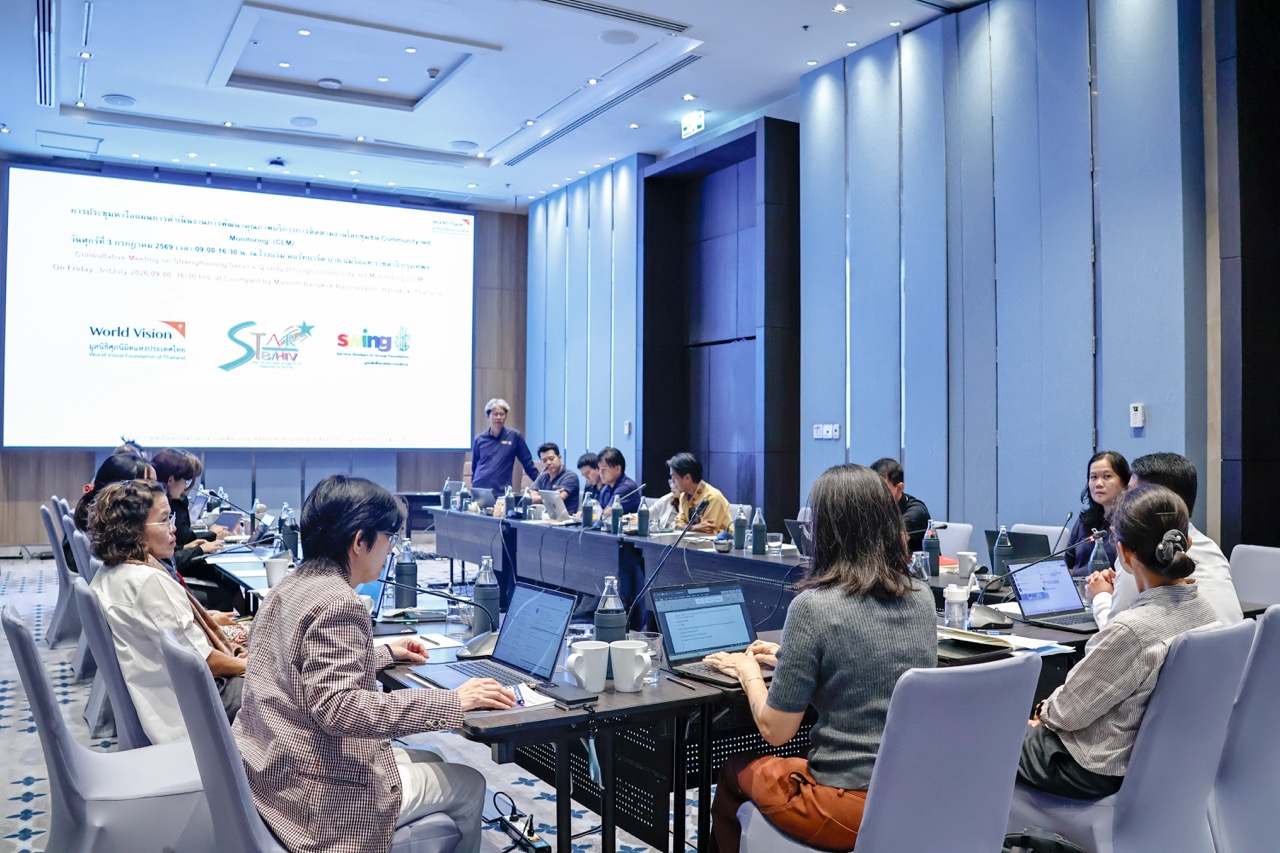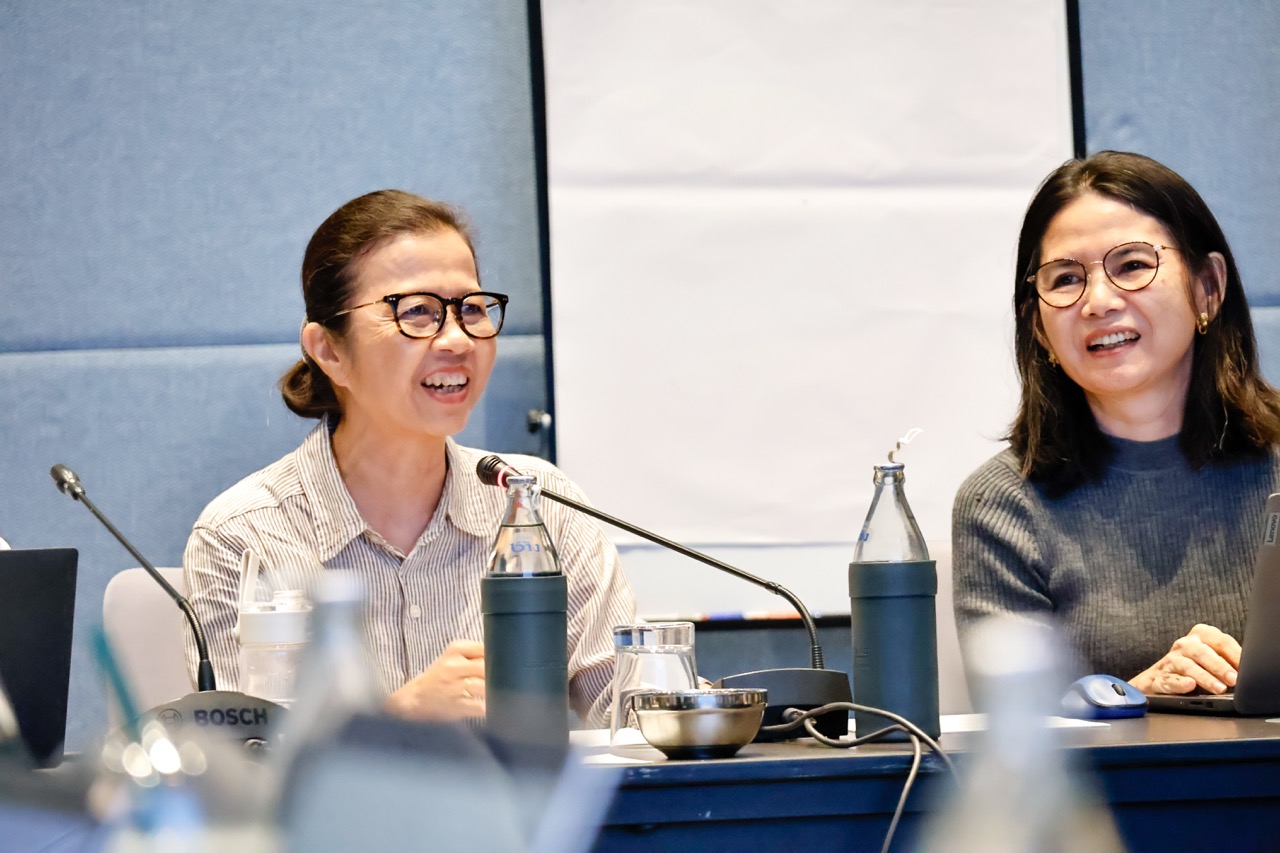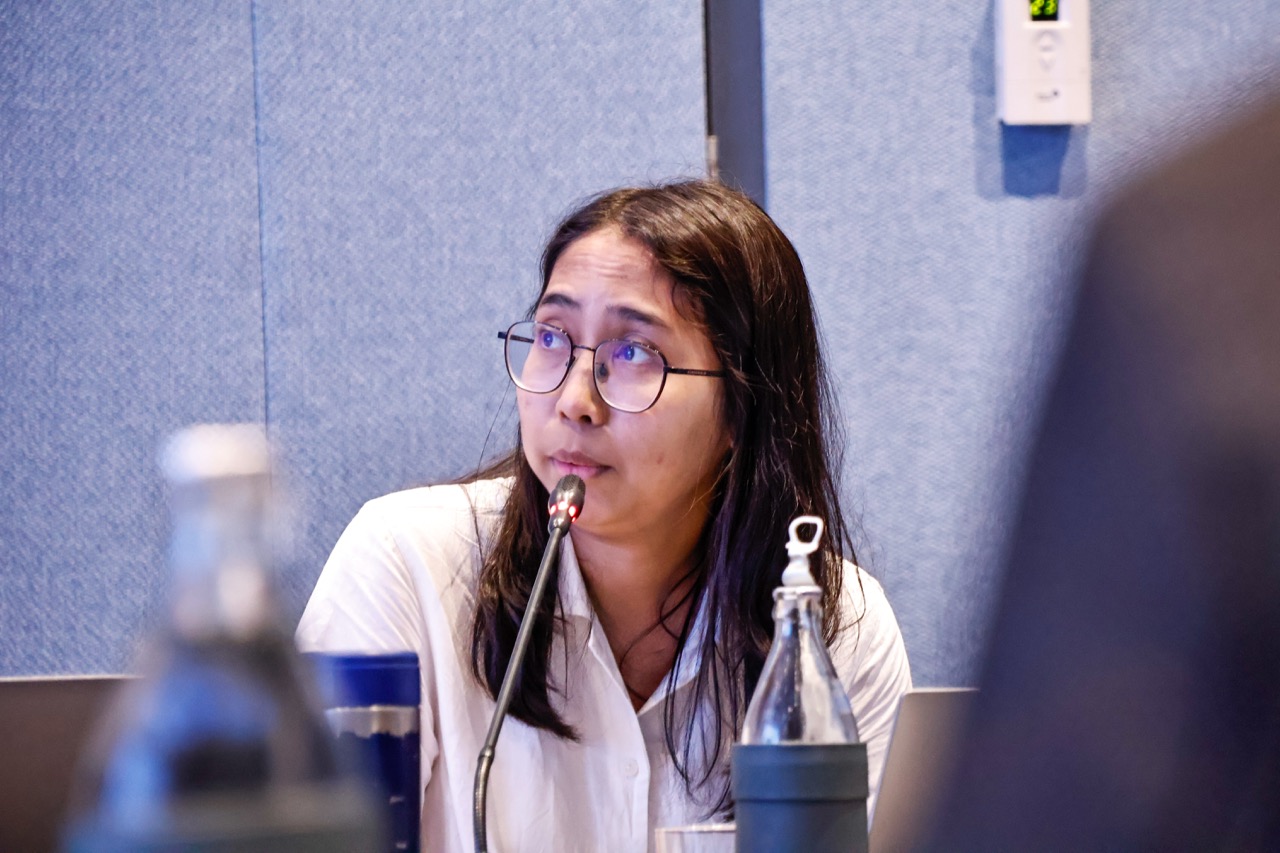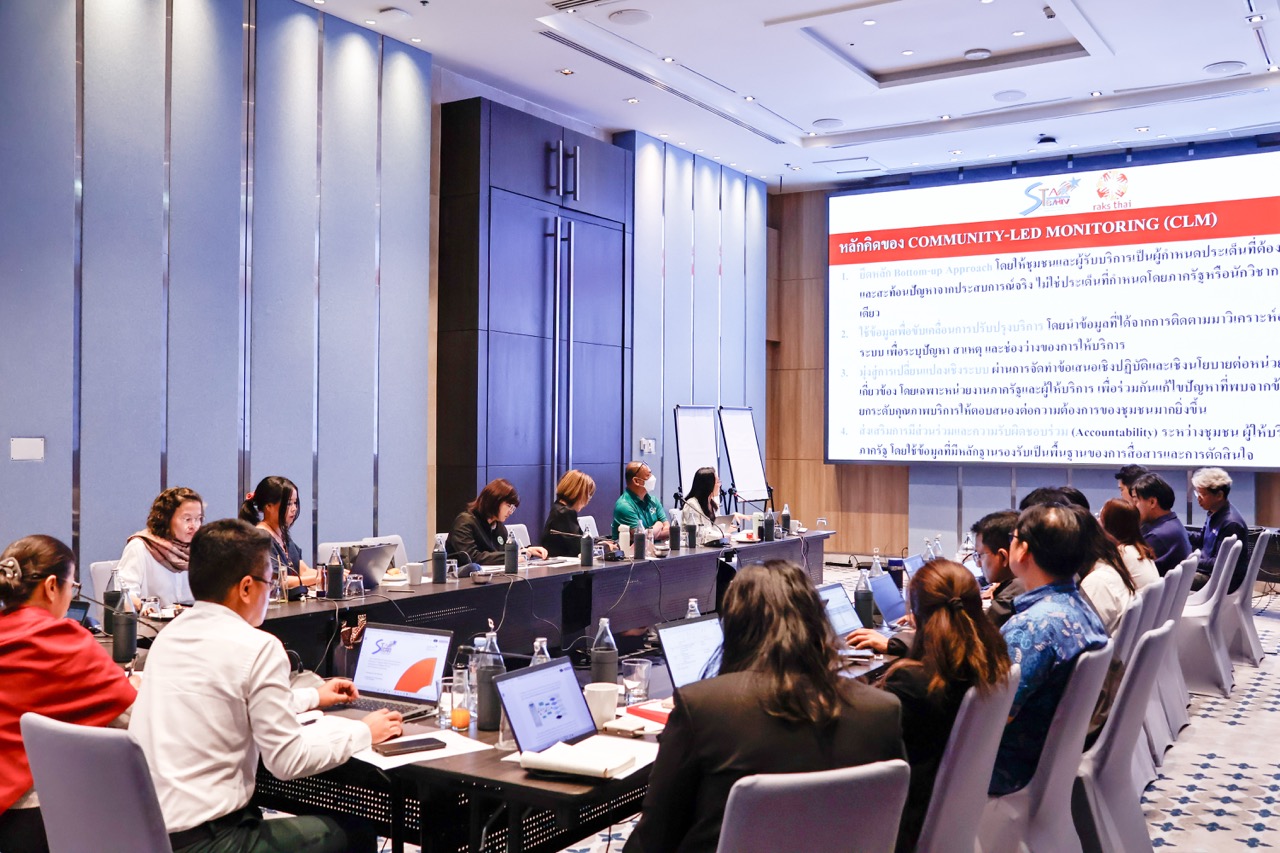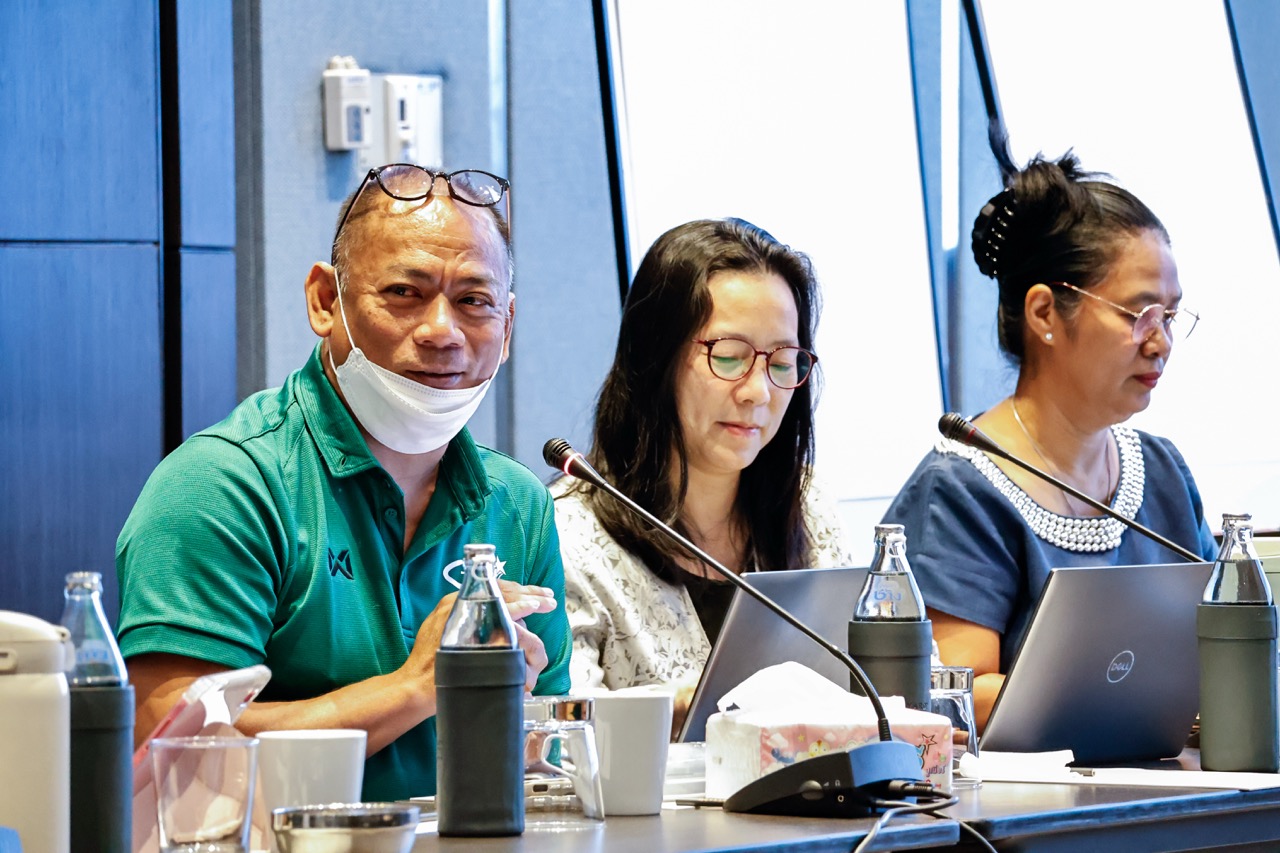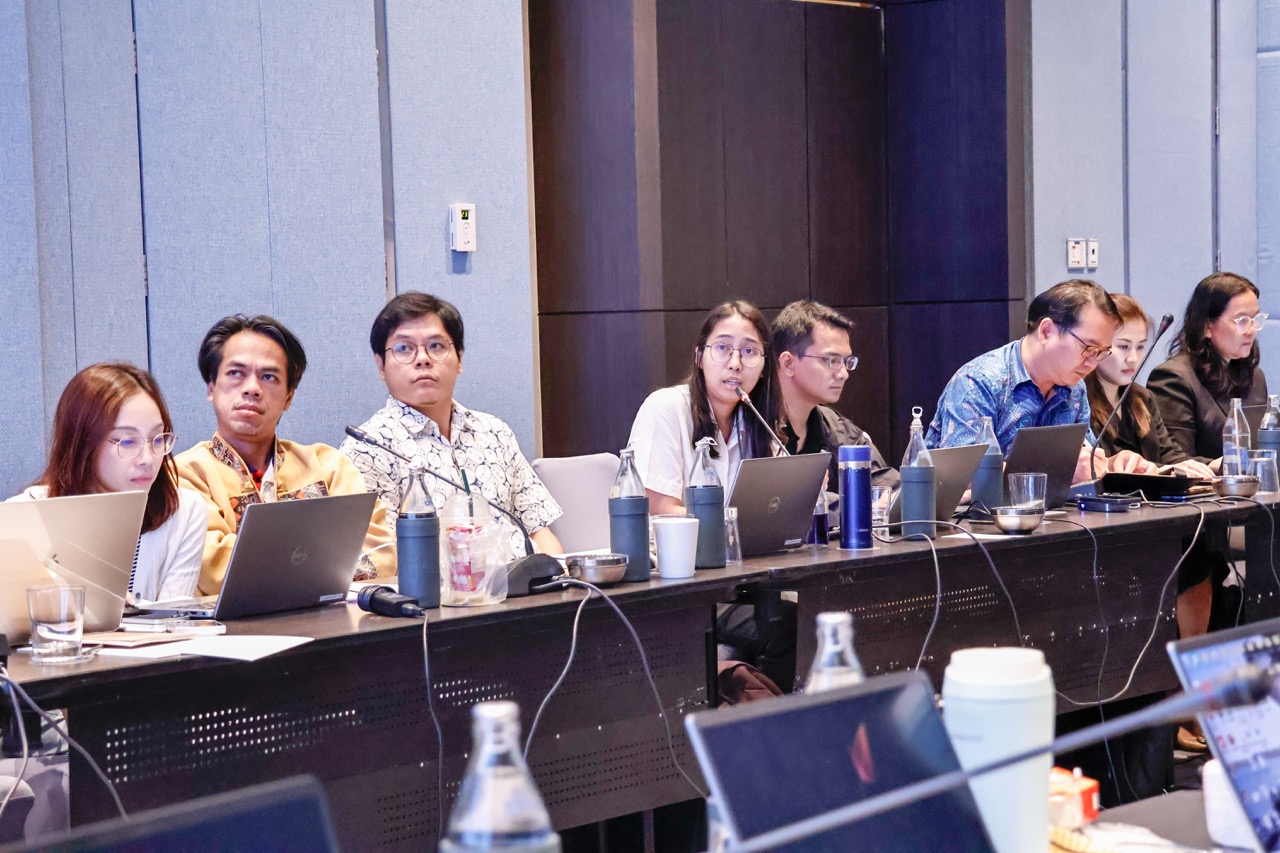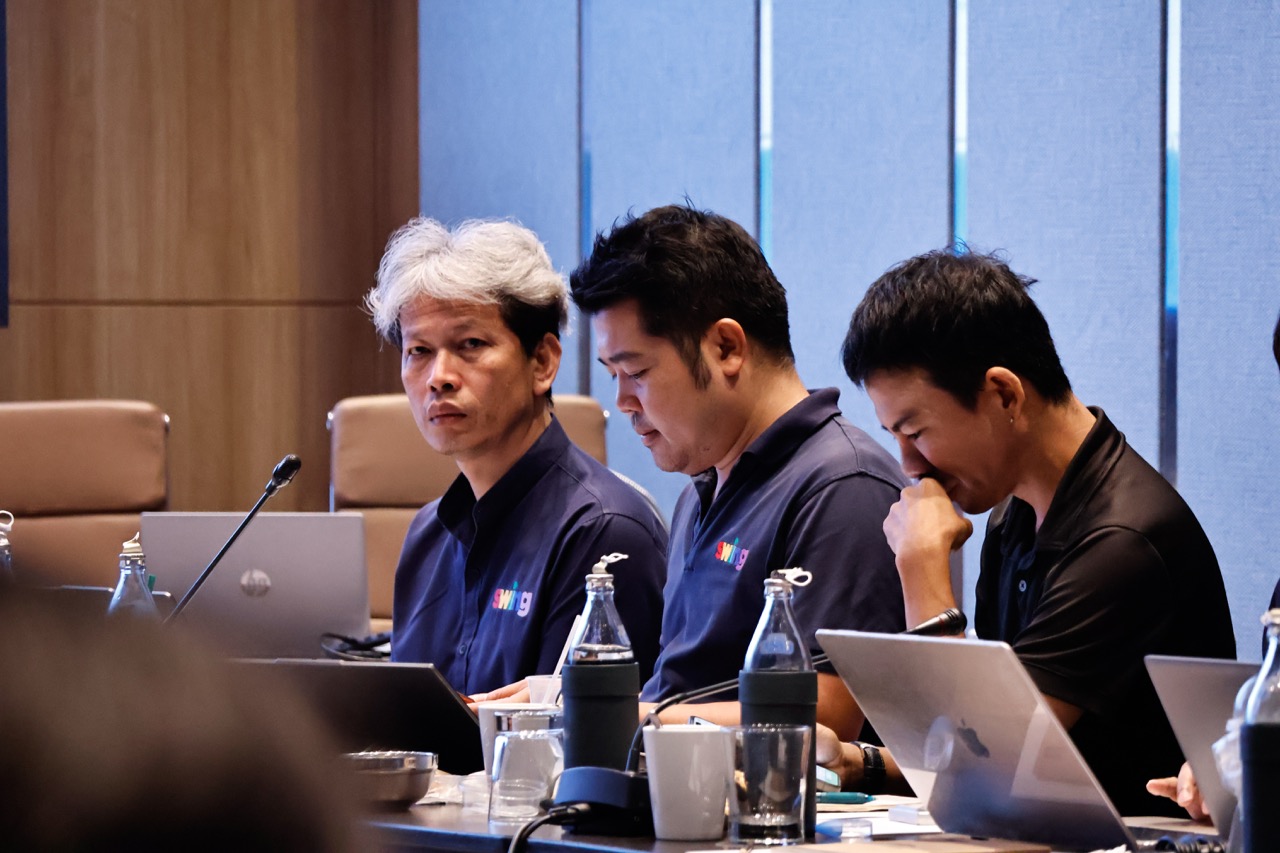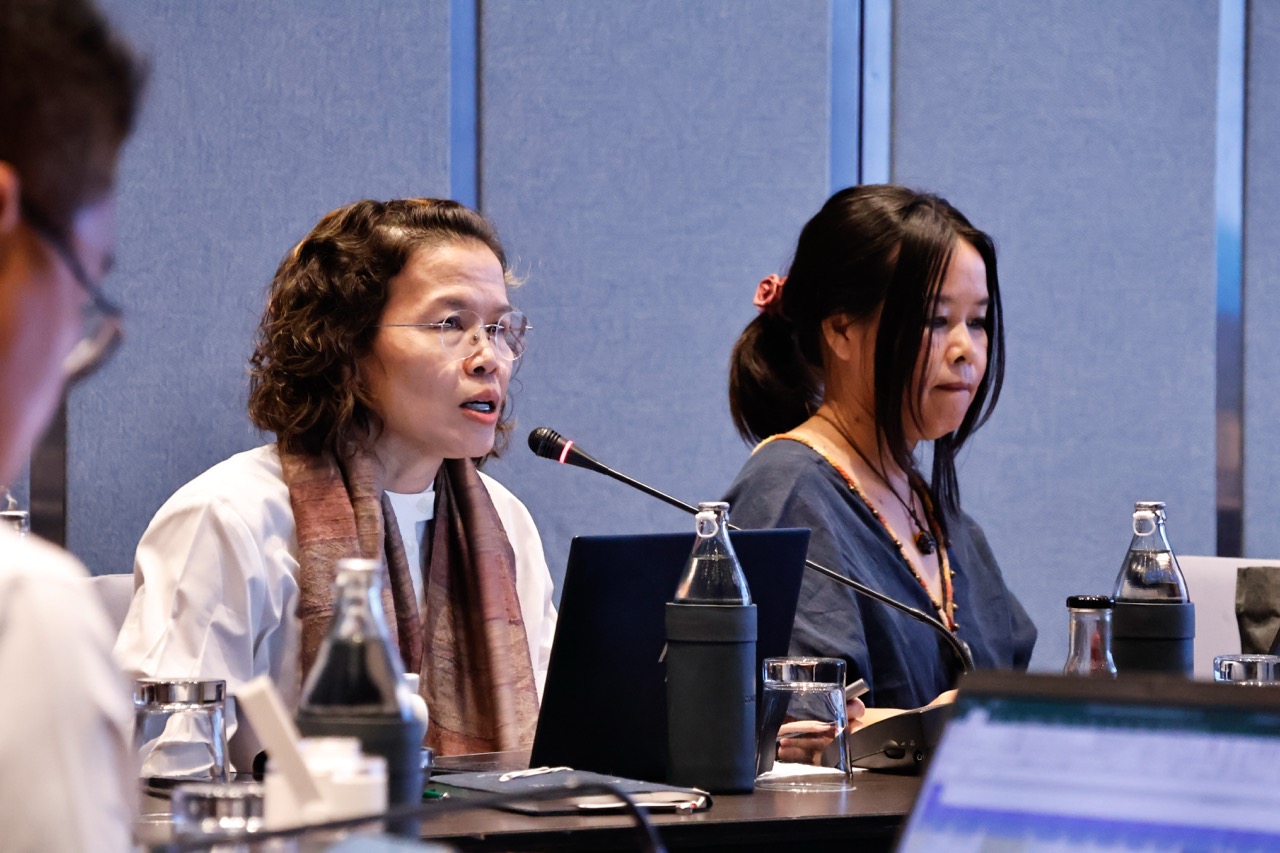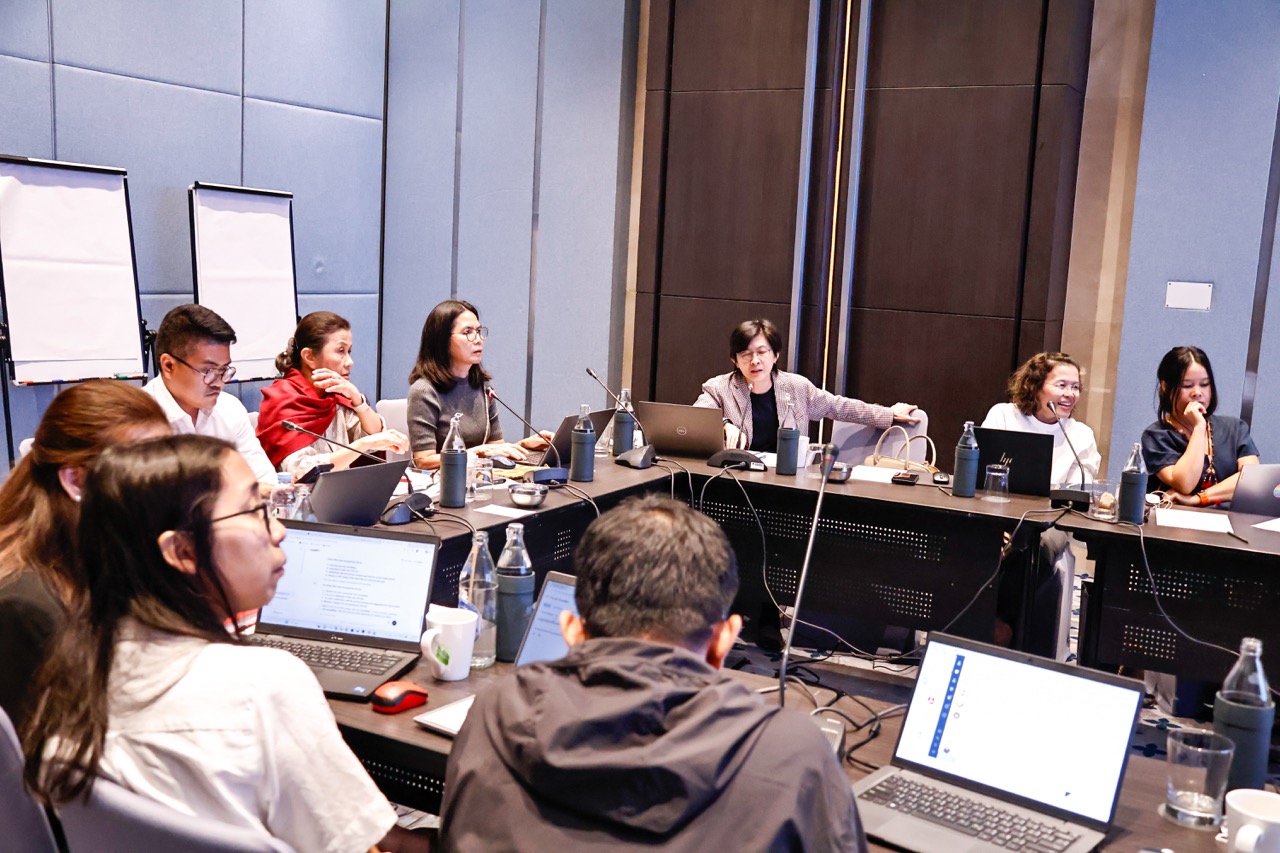
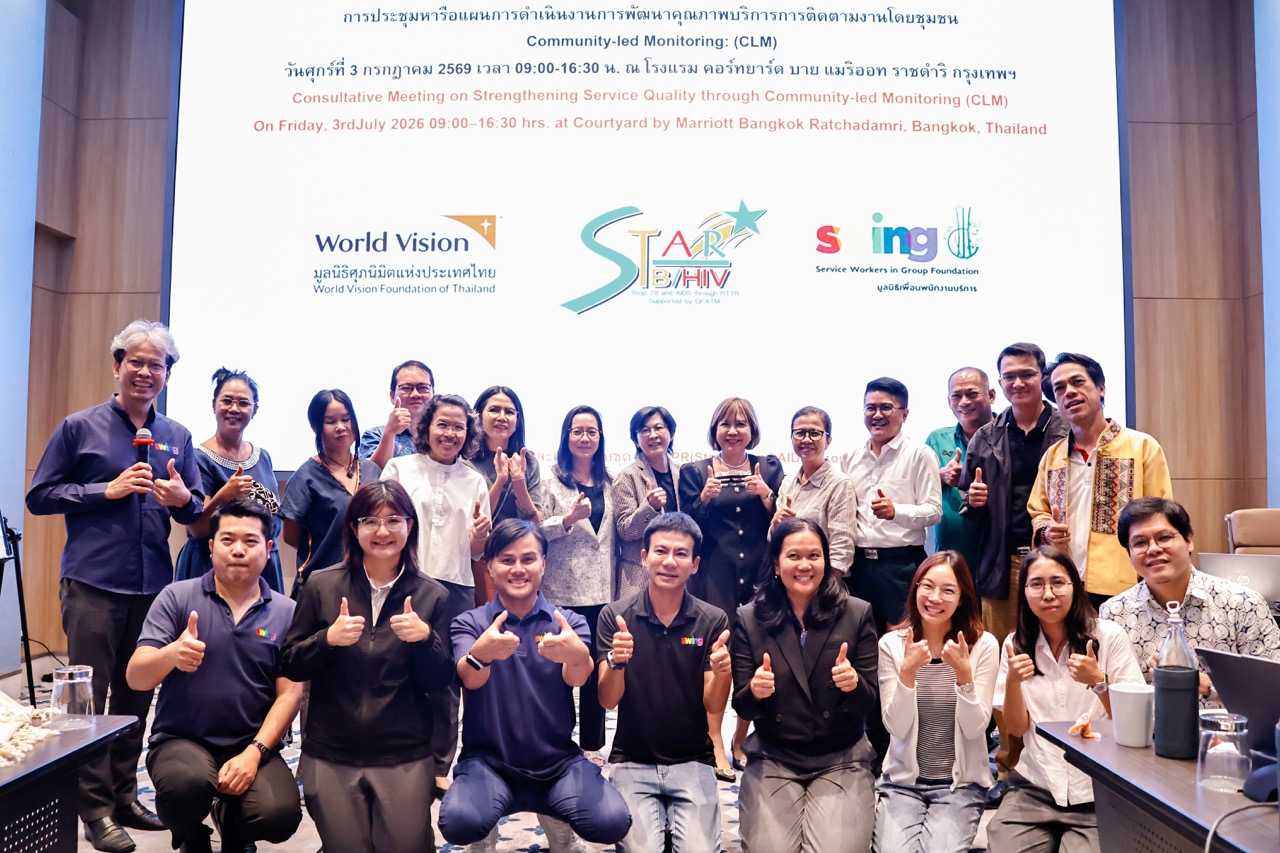
On July 3, 2026, World Vision Foundation of Thailand, in partnership with the Service Workers in Group Foundation, convened a meeting to discuss an implementation plan for improving the quality of community-led monitoring (CLM) under the RRTTPR framework. Representatives from government agencies, civil society organizations, international development organizations, and community networks came together to share their experiences. Participants included representatives from CDC Thailand and Laos; the EpiC project under FHI 360; the Institute of HIV Research and Innovation Foundation (IHRI); and Raks Thai Foundation (RTF). Together, they helped chart a path toward strengthening community-led monitoring and improving the quality of HIV and tuberculosis (TB) services nationwide over the long term.
The meeting went beyond discussing tools and processes for monitoring health services. It marked an important step toward ensuring that ‘community voices’ serve as a vital source of information for developing service systems that effectively reach the people who need them.
From GC7 Priorities to Building a Sustainable System for the Future : Dr. Sarut Moonsarn, HRG & CSS Program Manager and a representative of World Vision Foundation of Thailand, the Principal Recipient (PR) under The Global Fund’s GC7 grant cycle, said the initiative’s primary objective is to deliver results that can be transferred to those responsible for the next phase and sustainably scaled nationwide.
“We expect the outputs from this GC7 cycle to be transferable to the PR in the next cycle and to the country as a whole. We want to maximize the impact of our limited budget because this work will contribute to long-term sustainability.”
Dr. Sarut explained that Thailand is not starting community-led monitoring from scratch. Several organizations have already developed tools and implemented initiatives in different areas. The next step is to consolidate the lessons learned, strengths, weaknesses, and good practices from each model and use them to develop a shared implementation framework.
Key expected outcomes of this process include drafting a national strategy for community-led monitoring, reviewing and refining indicators, and developing a comprehensive overview of existing systems and tools. These efforts will inform an implementation approach that addresses the needs of key populations and effectively links HIV and TB efforts.
Collaboration Is at the Heart of Community-Led Monitoring (CLM): Ms. Surang Janyam, Director of the Service Workers in Group Foundation (SWING), which has been assigned to implement CLM for key populations, emphasized that the work requires collaboration across all sectors.
“We are still relatively new to CLM, while those attending today’s meeting are recognized leaders and experts in the field. We know that we cannot advance this work alone. CLM is a major national undertaking that requires cooperation across all sectors.”
Her remarks captured a central purpose of the meeting: bringing together expertise from government agencies, civil society organizations, service providers, and community networks to jointly shape the future of community-led monitoring. The goal is to create a system that is jointly owned and can be applied effectively in a wide range of contexts.
Research Amplifies Migrant Workers’ Voices to Advance Inclusive TB Services was another key focus of the meeting. The session presented findings from a pilot study conducted by World Vision Foundation of Thailand on the quality of tuberculosis services from the perspective of migrant workers.
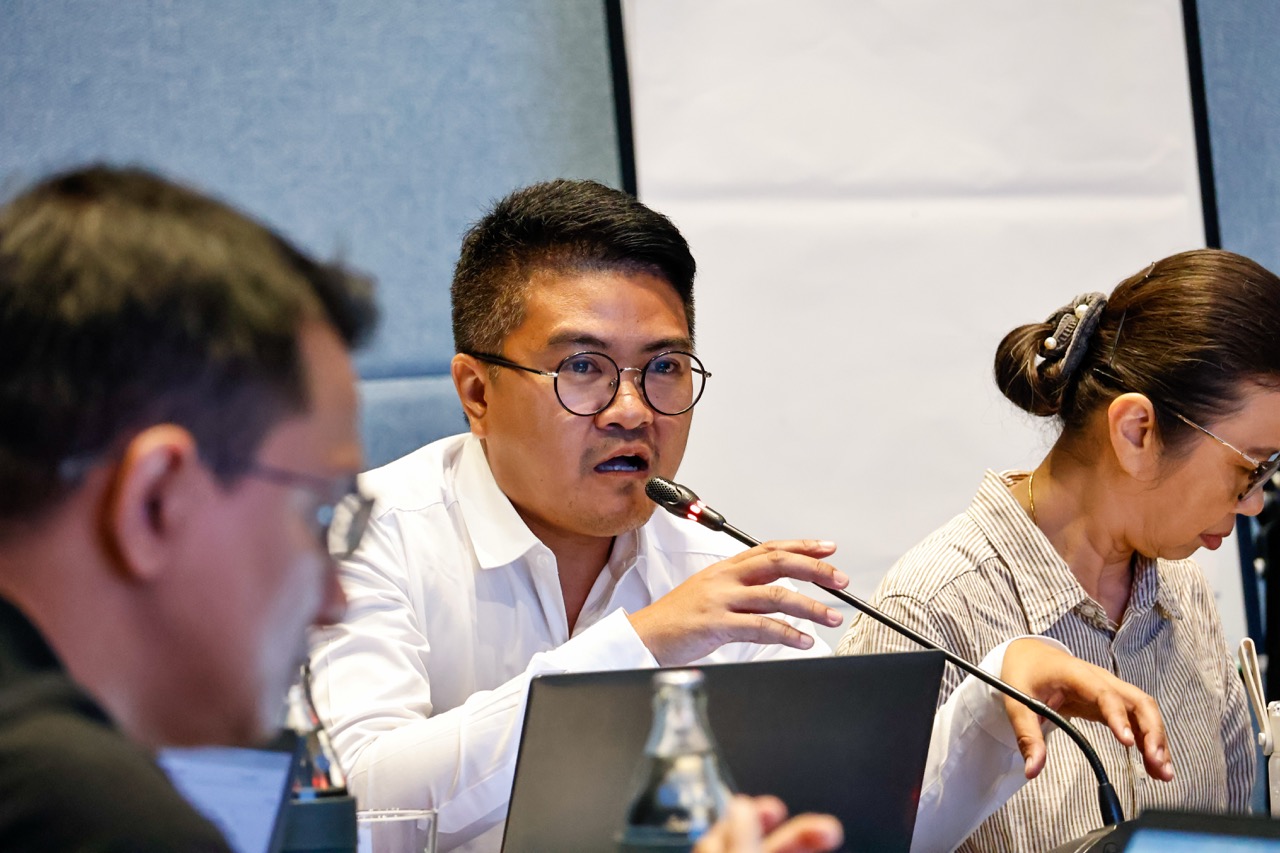
Dr. Shin Thant Win, Community Networking and M&E Officer, explained the background to the study:
“This pilot study aimed to capture migrant workers’ perspectives on tuberculosis services and assess those services using the AAAQ framework. Although most patients were satisfied with their treatment, they continued to face significant barriers, including a lack of health insurance, financial burdens, loss of income, language barriers, and social stigma.”
The study gathered data from 25 migrant workers in Bangkok, Pathum Thani, and neighboring provinces. It used the AAAQ framework to assess service availability, accessibility, acceptability, and quality. The findings indicate that future improvements to tuberculosis services should go beyond clinical treatment to consider patients’ living circumstances, economic security, communication needs, and human dignity.
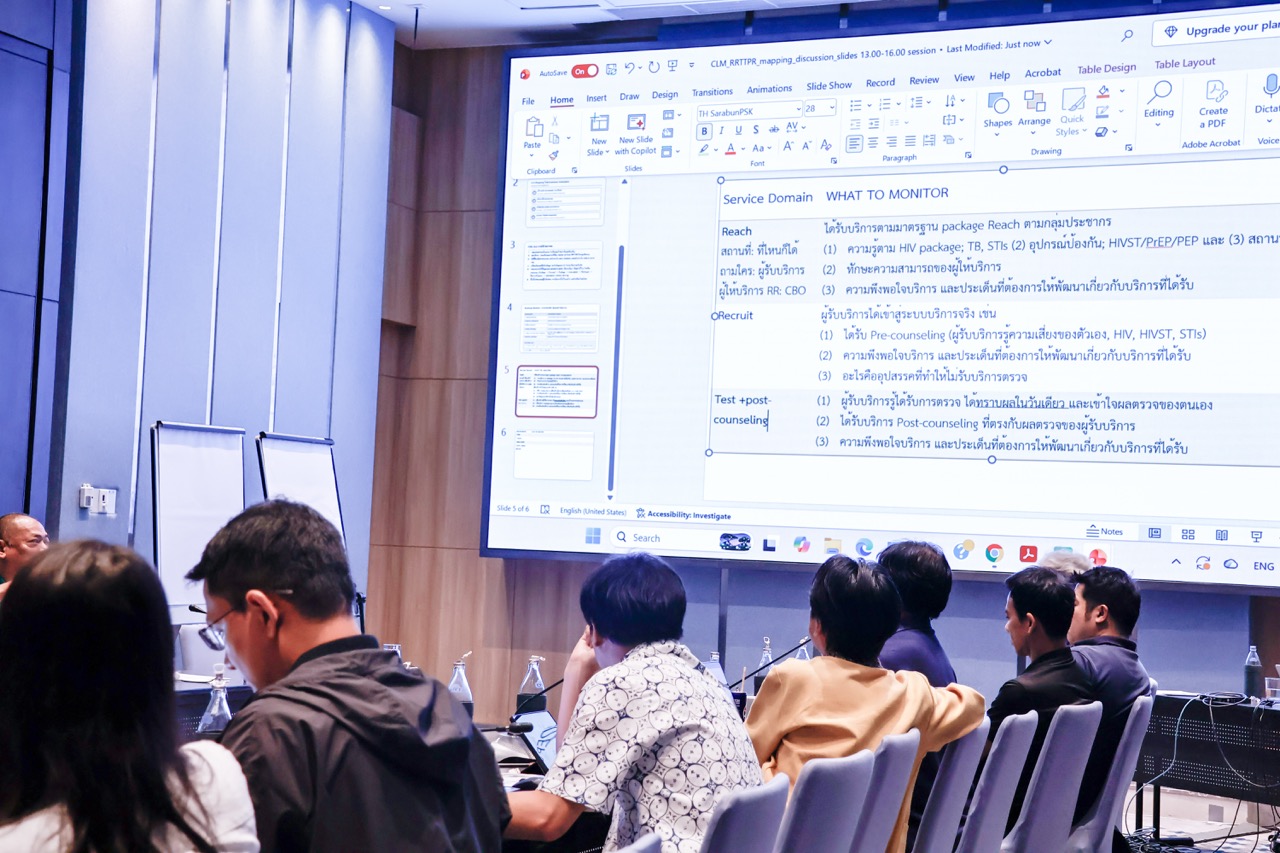
Throughout the day, participants reviewed the experiences of organizations already implementing community-led monitoring, shared lessons from the field, and discussed developing indicators that reflect both service quality and service users’ lived experiences. Participants agreed that community-led monitoring should cover the entire RRTTPR continuum, from outreach, screening, diagnosis, treatment, prevention, and ongoing follow-up to issues related to rights, stigma, and social barriers.
Participants also proposed developing a national roadmap and a draft national strategy for community-led monitoring. These would provide clear long-term direction by defining the implementation plan, scope of work, outputs, expected outcomes, and performance indicators. The proposal also calls for planning the future handover of responsibilities to the next Principal Recipient (PR) to ensure the sustainability of community-led monitoring, align the work with support from The Global Fund under the GC8 grant cycle, and prepare for the eventual transition of implementation.
From collaboratively designing a community-led monitoring system to conducting research that captures the lived experiences of migrant workers, stakeholders across all sectors are helping to lay the foundation for a health system that focuses not only on effective treatment but also on access, rights, equity, and quality of life. The ultimate goal is to ensure that no one is left behind in accessing high-quality health services.
The next step in community-centered work highlighted by the meeting is that improving the quality of health services cannot be achieved by any single organization alone, but requires collaboration among government agencies, civil society, development organizations, and communities directly affected by these issues.
For World Vision Foundation of Thailand, this initiative represents another step in working with partners to listen to community voices, turn insights from the field into empirical evidence, and advocate for improvements to service systems so that they better respond to people’s needs.