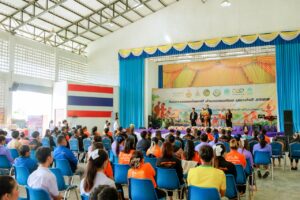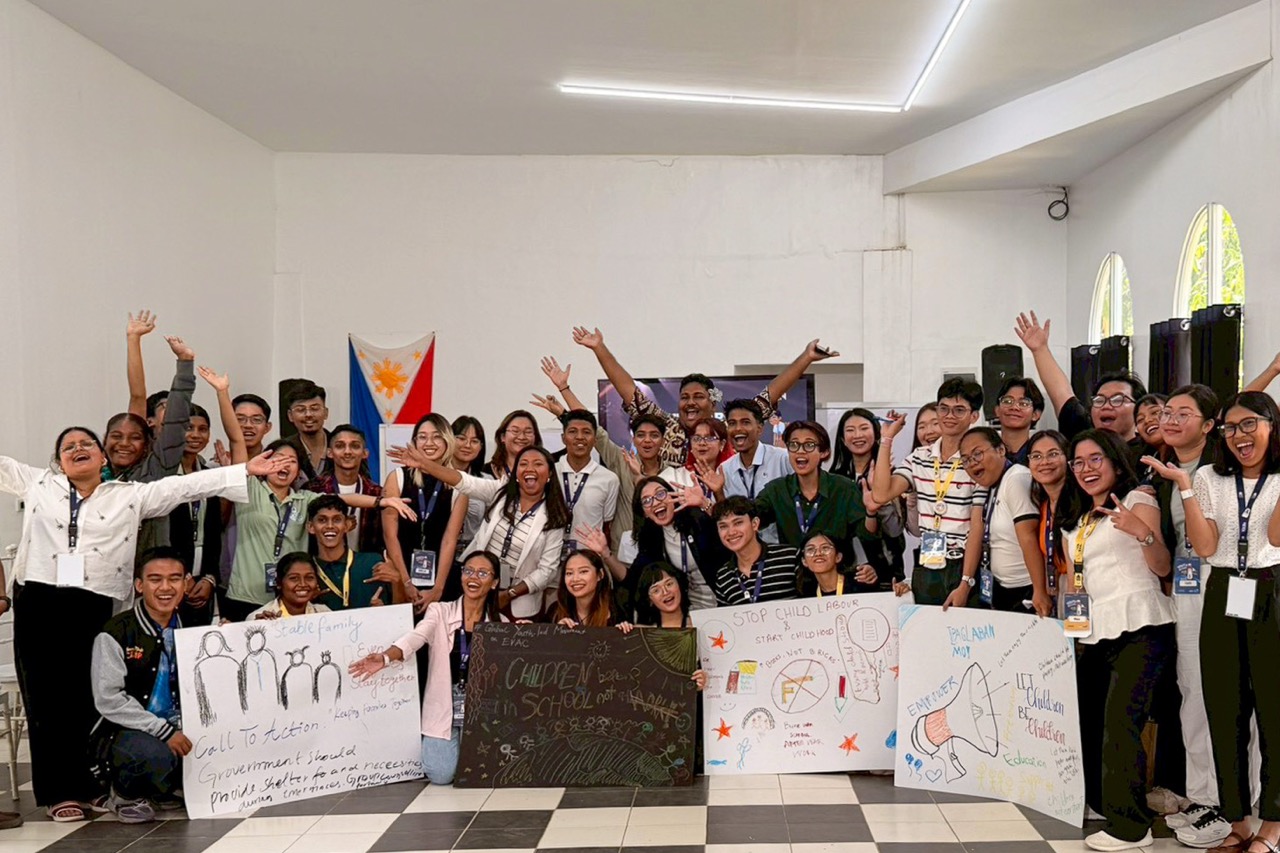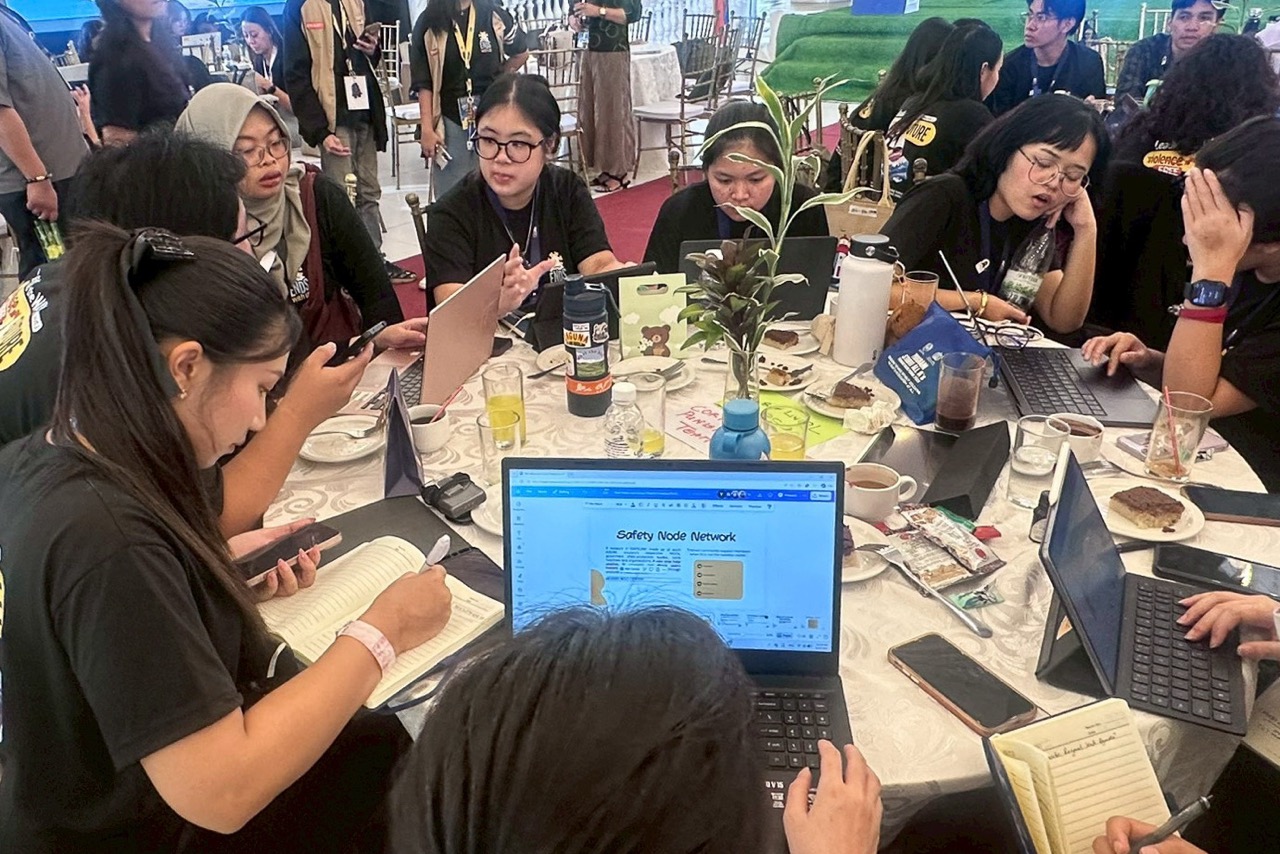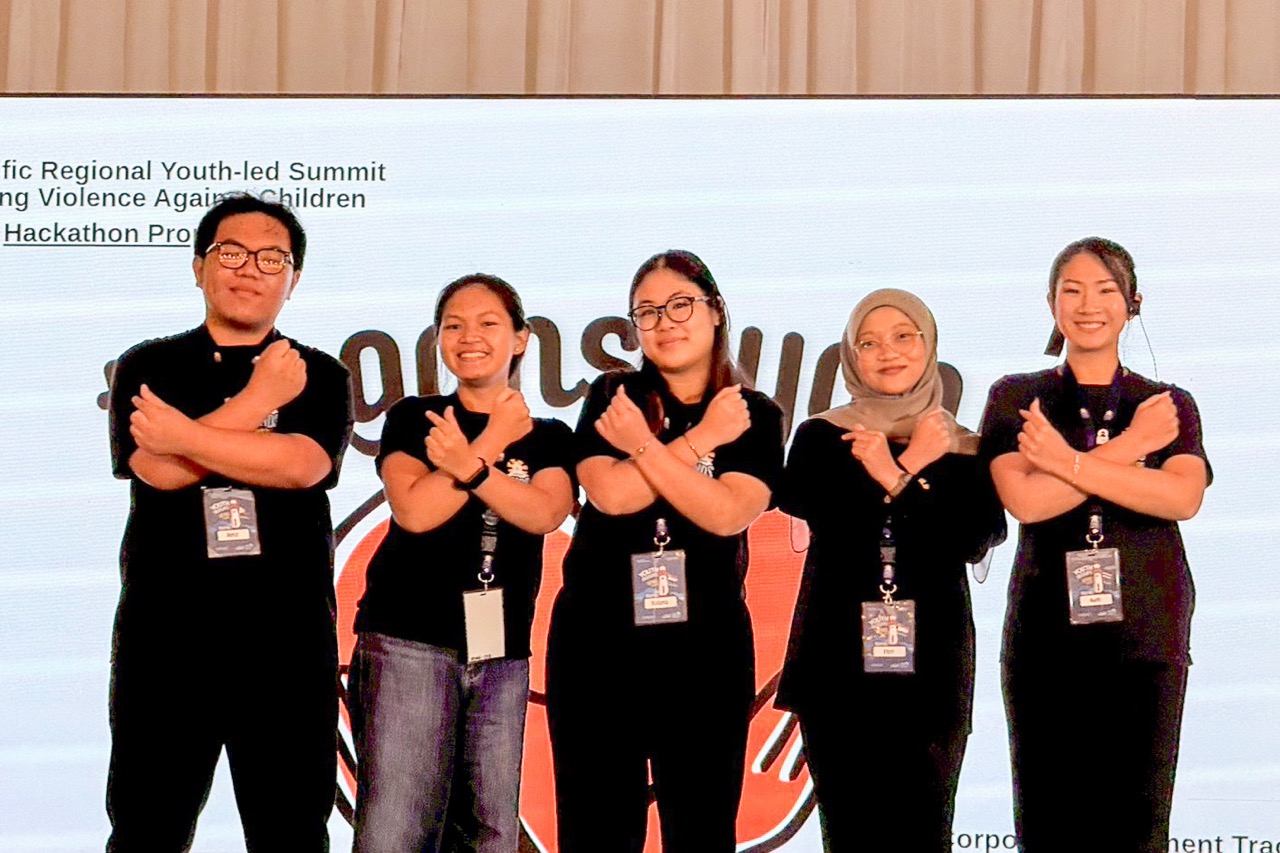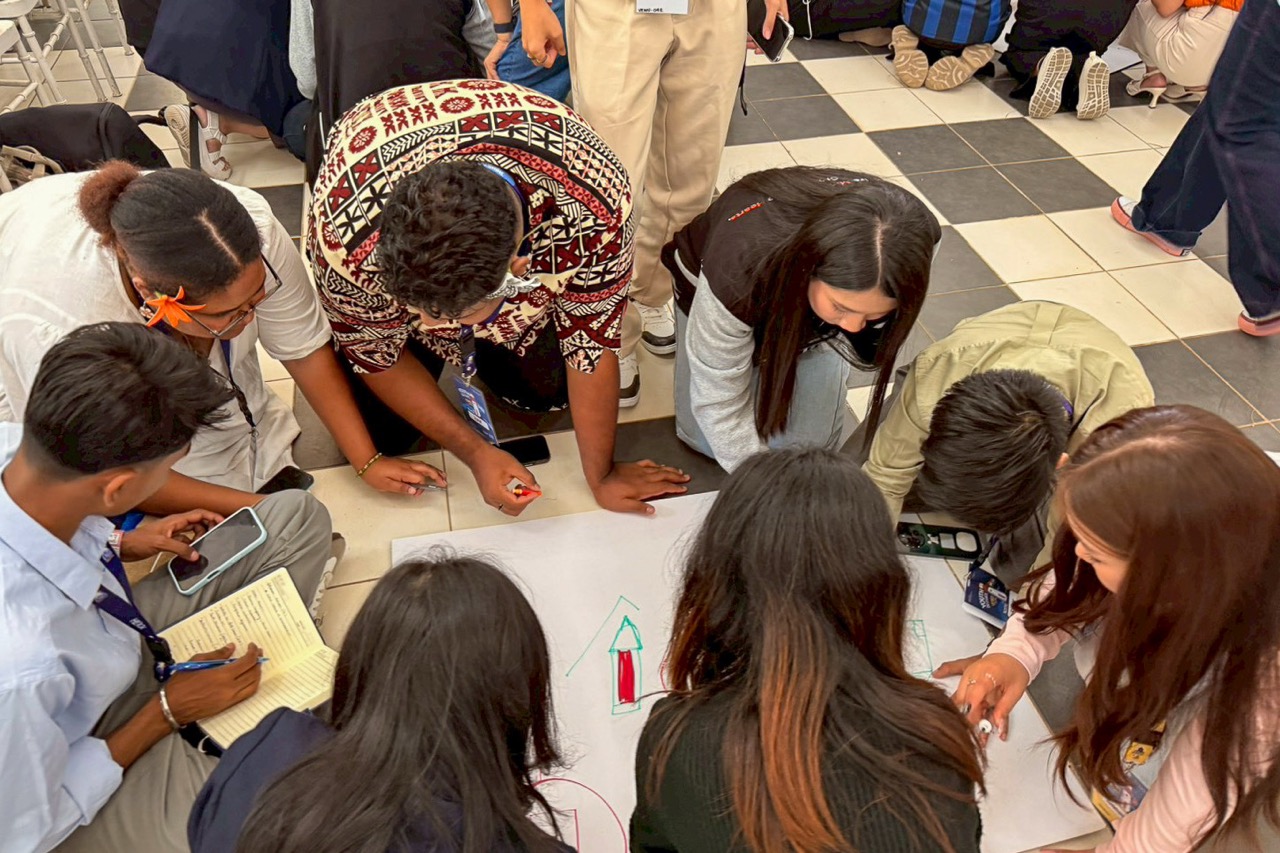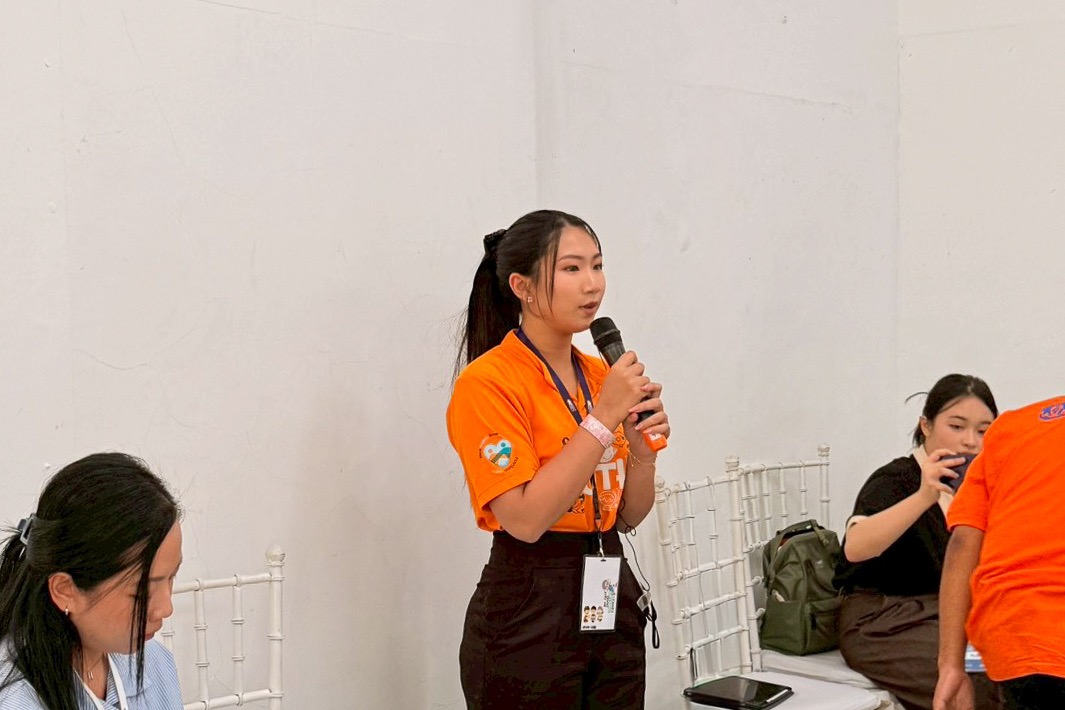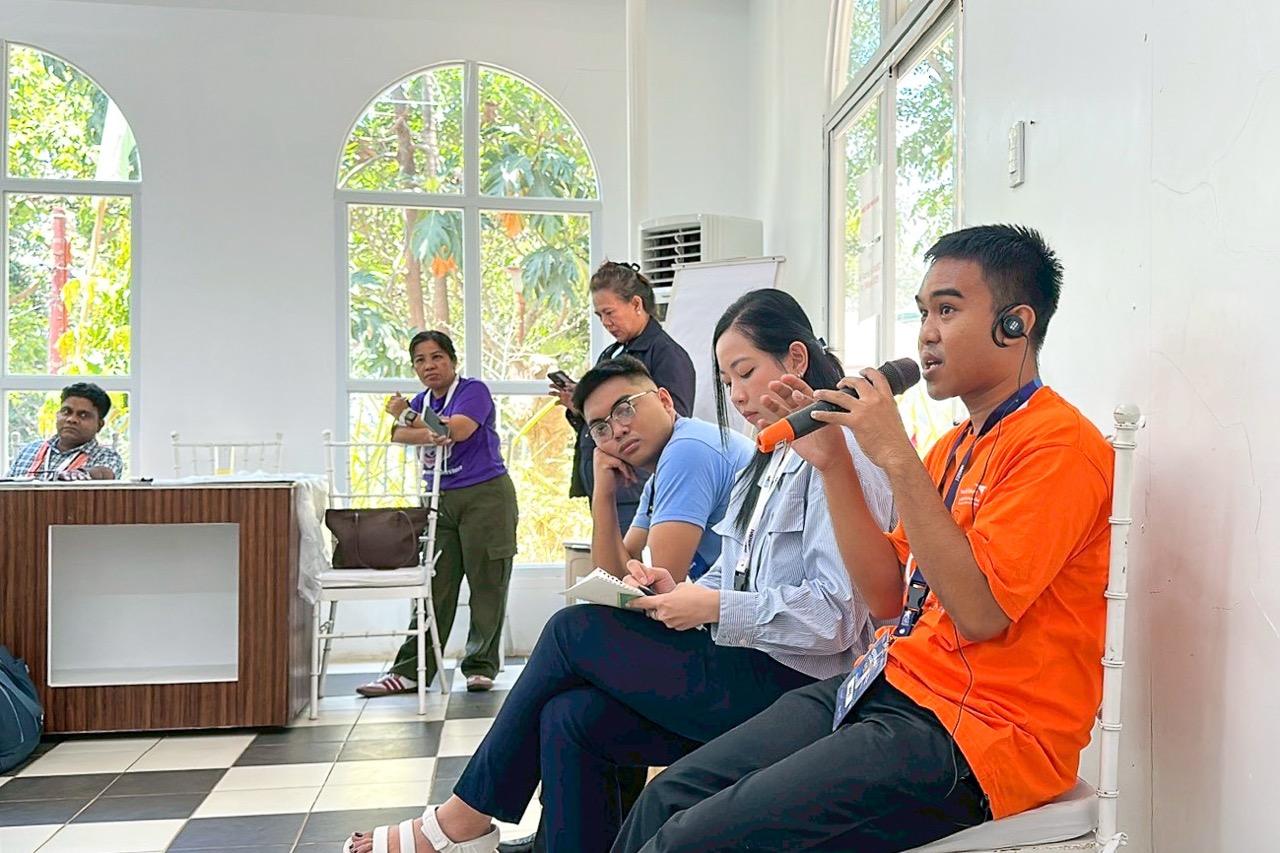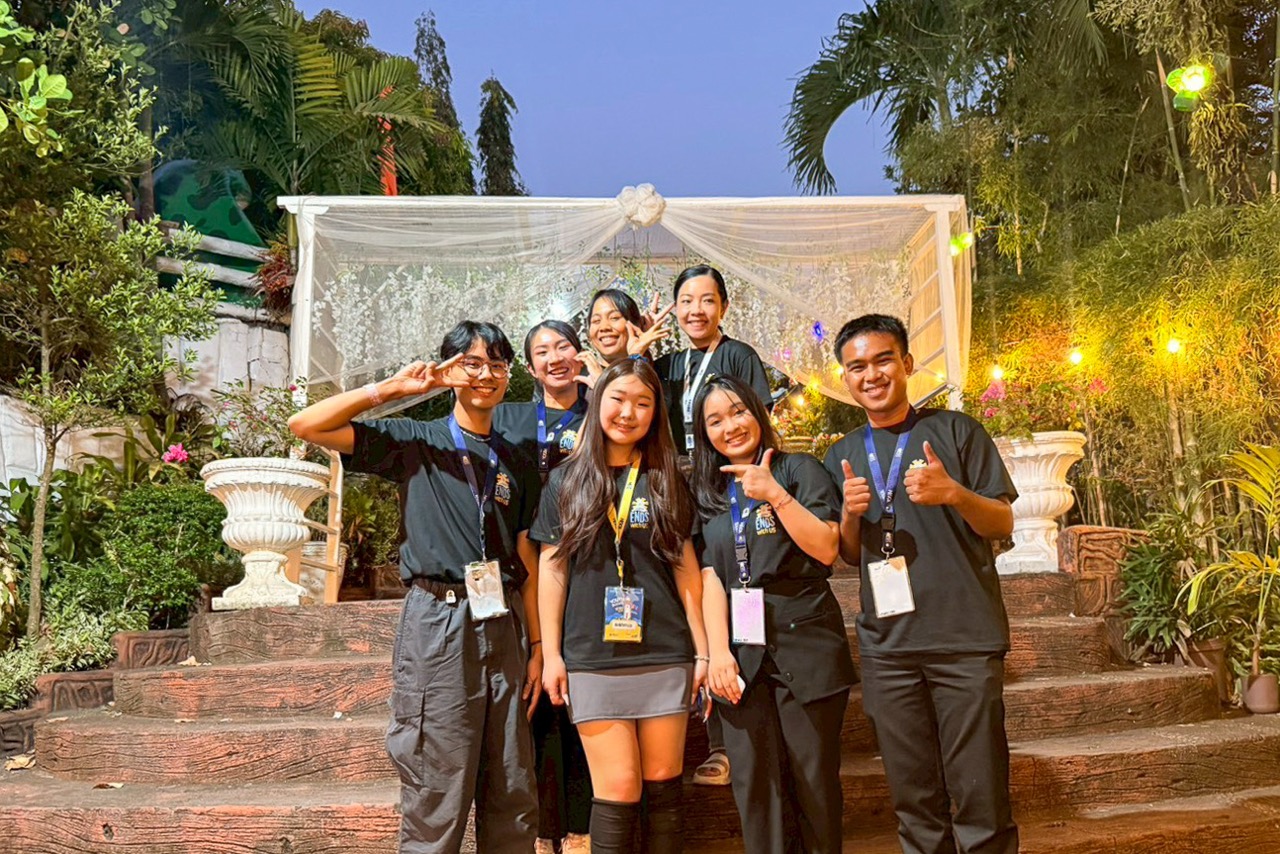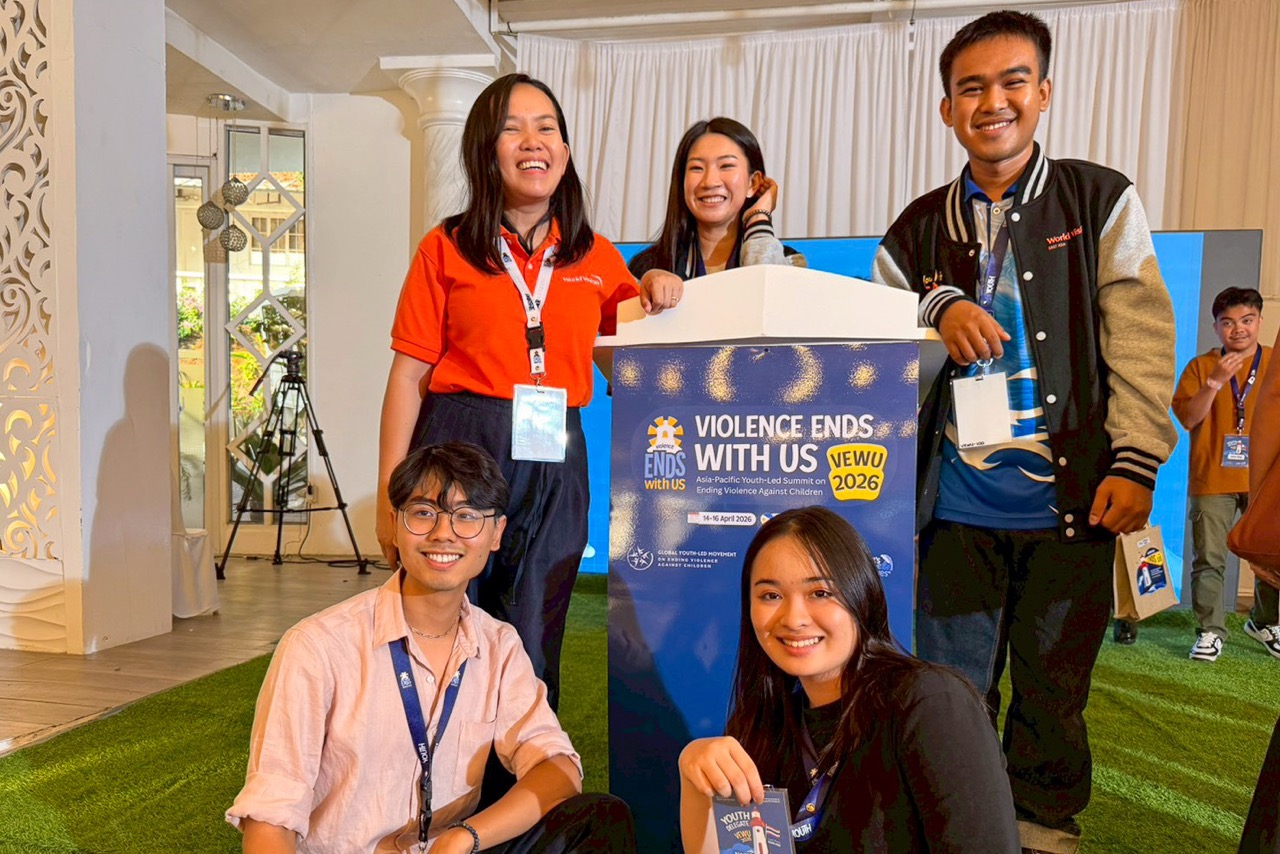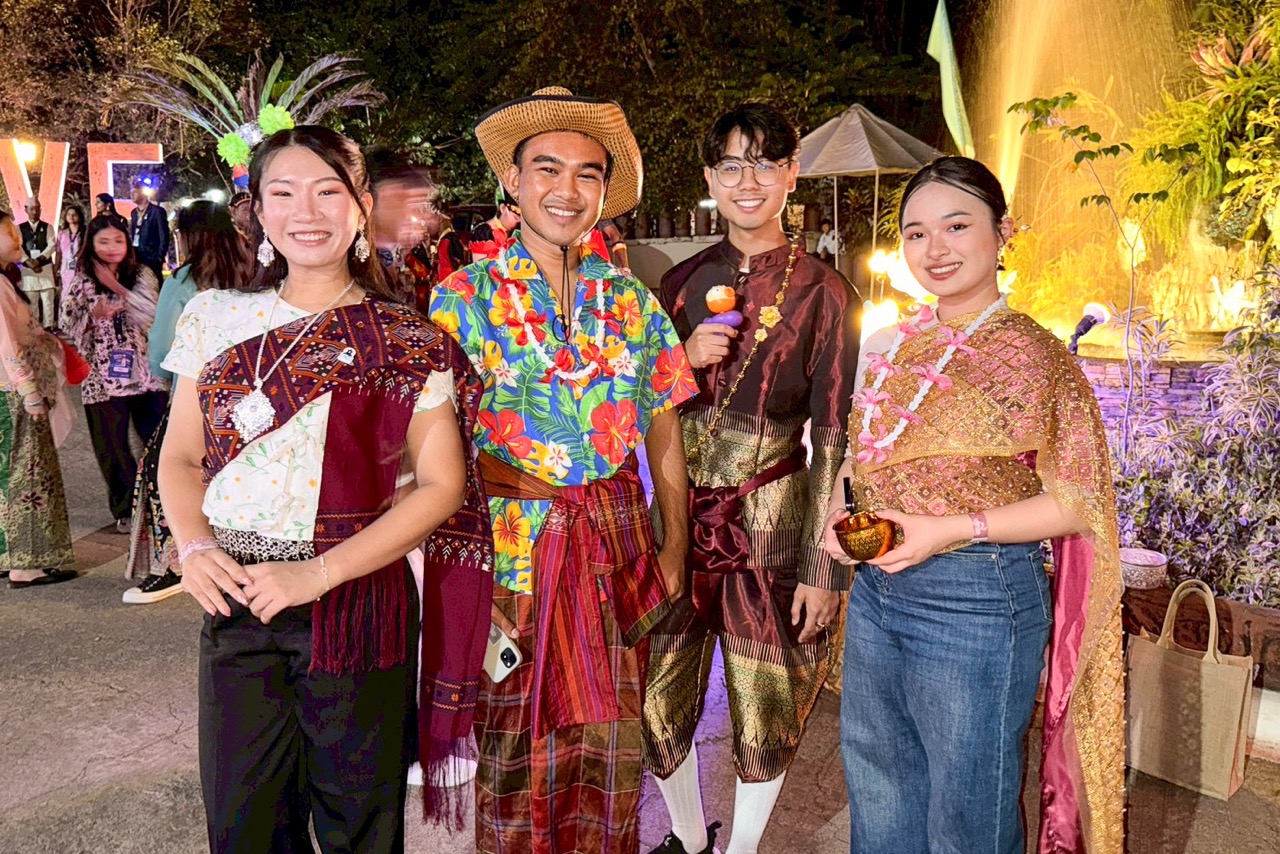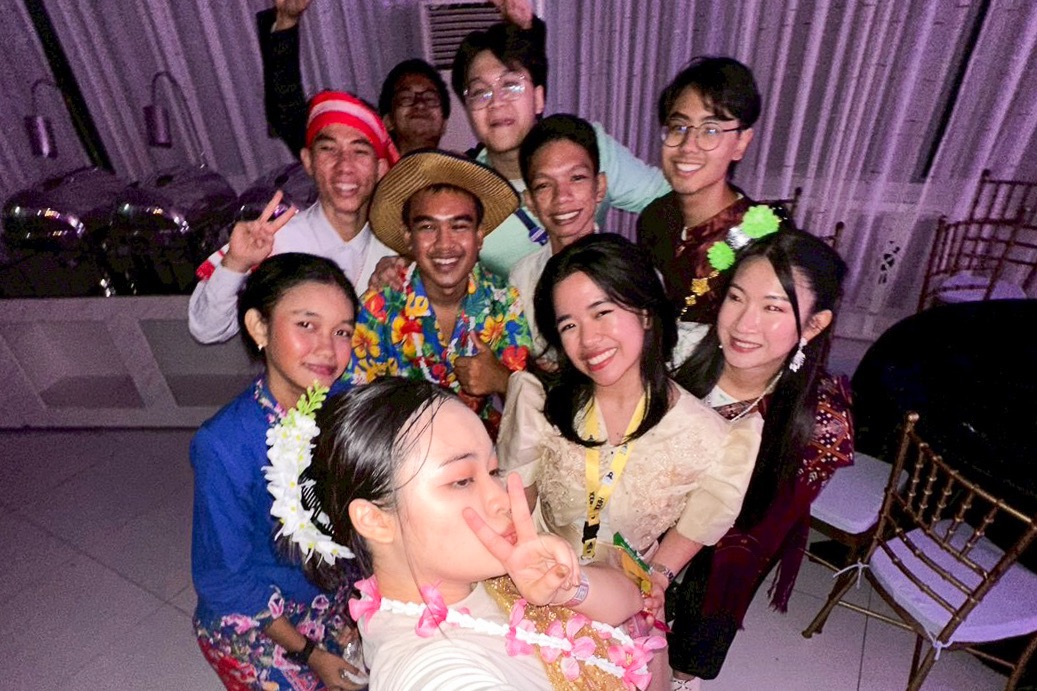

Between 13–17 April 2026, more than 150 young people from across the Asia–Pacific region gathered in Antipolo City, the Philippines, to participate in the regional conference “Violence Ends with Us.” The convening marked a critical milestone in advancing the agenda to end violence against children, with children and youth stepping forward as leaders in co‑designing both policy and practice to address violence in all its forms.
The conference reflects a growing global recognition of Meaningful Youth Participation as a core mechanism for ending violence against children. This approach goes beyond simply providing space for young people to express their views; it recognizes children and youth as active decision‑makers whose participation directly shapes policies and actions that affect their lives and futures.
The “Violence Ends with Us” conference was organized by the Global Youth‑Led Movement, with support from a network of child‑focused and humanitarian organizations, including World Vision International. World Vision played a key role in supporting safe, high‑quality spaces for youth participation and in connecting children’s and young people’s voices to policy processes at national, regional, and global levels. Participants represented diverse countries across the Asia–Pacific region, including four youth delegates from Thailand. Among them were two youth leaders supported by World Vision Foundation of Thailand, reflecting the organization’s role in developing young people from those affected by violence into policy actors advocating for child rights and protection.
Despite global commitments made by governments to end violence against children in international forums, evidence continues to show that violence remains widespread in many Asia–Pacific countries. This violence manifests in multiple forms, including online sexual exploitation and abuse, corporal punishment, child labour, and child marriage. These persistent challenges highlight the need to move beyond one‑off activities toward systemic change, addressing the root causes of violence through policy reform, prevention, and sustained participation of affected communities.
In this context, “Violence Ends with Us” served as more than a space for dialogue. It functioned as a collaborative process through which youth jointly developed a Regional Youth Agenda to End Violence Against Children. This involved policy analysis, the use of data and evidence, and the development of practical recommendations adaptable to national contexts. The initiative aligns closely with Sustainable Development Goal (SDG) target 16.2, which calls for ending abuse, exploitation, trafficking, and all forms of violence against children, emphasizing the integration of policy, practice, and the participation of those directly affected.
One of the most powerful aspects of the summit was the voices of Thai youth leaders, who drew on their own experiences to inspire collective action.
“I want to see a world where every child can grow up without fear of violence—whether at home, at school, or in society. Such a world is only possible when we choose to listen, show respect, and work together to create environments where children feel safe and trusted, confident enough to seek help, and where their voices are truly valued. Only then can children grow and develop appropriately for their age—raised with love, not violence.”
— Aum Sasikan, 19, World Vision Youth Leader, Thailand
Meanwhile, Ming, another youth representative from Thailand, reflected on the importance of creating spaces where young people can represent and uplift one another.
“I want children to believe that they can stand up and create change in their own communities. Many young people never get that opportunity, so when I received it, I chose to seize it—not just for myself, but to inspire others as well.
I believe sustainable change begins with ordinary people who dare to think, to act, and to stand firm in making a difference. We are not just the future of society—we are the power of the present, capable of working together to protect children and shape a better future.”
— Ming Satsawat, 18, World Vision Youth Leader, Thailand
Outcomes from the conference will be carried forward in concrete ways, including the development of a Regional Youth Agenda to End Violence Against Children, the production of an ASEAN Youth Report to inform policy advocacy, and the advancement of innovations emerging from a regional hackathon. These initiatives will receive technical support, funding, and access to collaborative networks to enable implementation in real‑world contexts. All outcomes will be consolidated, documented, and presented at global forums on ending violence against children in late 2026.
World Vision International remains firmly committed to child protection grounded in evidence‑based approaches and meaningful child and youth participation. The organization continues to reinforce its role in “transforming children from affected individuals into drivers of their own futures.” Ending violence against children can only become a reality when children’s voices are not merely heard—but actively inform and shape policy decisions—toward creating a safer, more just, and sustainable society for every child.